Hungarian Matyó Embroidery Art
The Flowers of Mezökövesd
Matyó embroidery is one of Hungary's most distinctive folk art traditions, originating from the Matyó people of Mezökövesd and surrounding villages in northeastern Hungary. Characterized by bold, colorful floral designs — particularly tulips, roses, and peonies — Matyó embroidery has been recognized by UNESCO as Intangible Cultural Heritage.
Color Symbolism
Matyó embroidery uses a specific color language: red represents love and passion, black symbolizes the earth and fertility, green denotes hope and renewal, yellow signifies the sun and happiness, and blue represents fidelity and the sky. The combination and proportion of colors in a piece can communicate the wearer's age, marital status, and village of origin.
The Tulip Motif
The tulip is the defining motif of Matyó embroidery, appearing in countless variations. Unlike the realistic flower representations of Western embroidery, Matyó tulips are stylized — often symmetrical, with exaggerated petals and supplementary leaf forms. The tulip's prevalence reflects both Ottoman influence (tulips traveled from Central Asia through Turkey to Hungary) and the flower's association with love and fertility.
Garment Applications
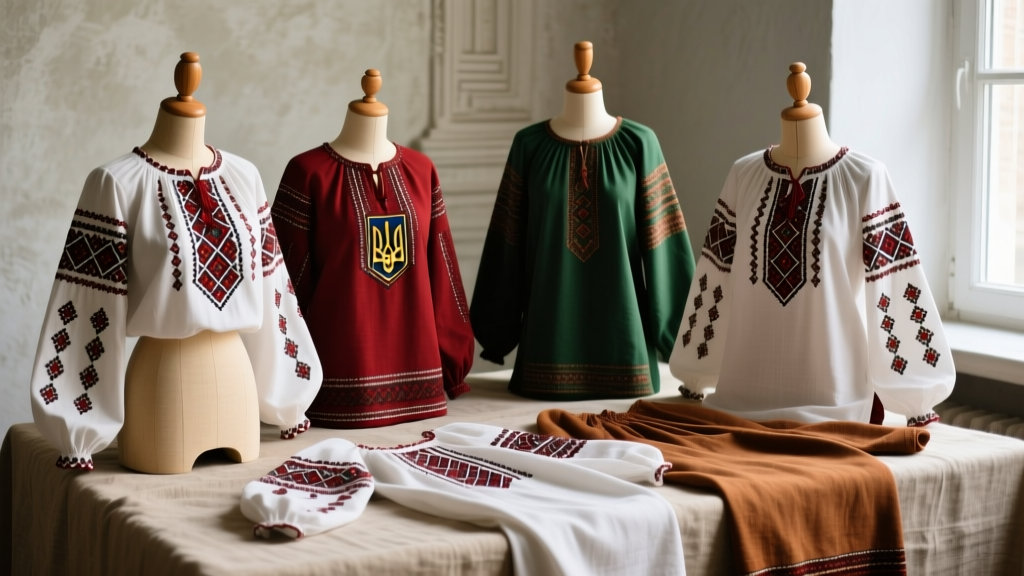
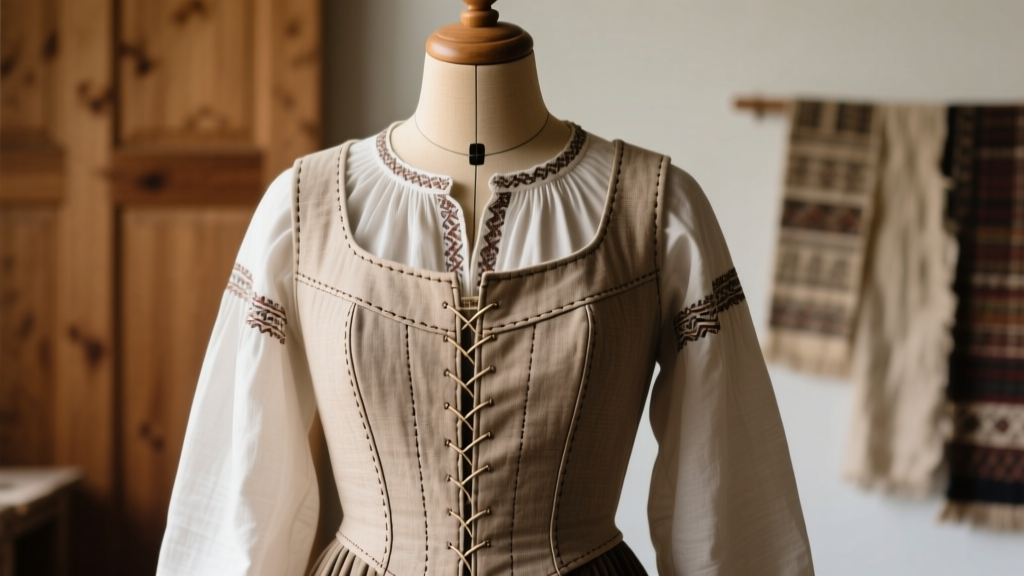
Matyó embroidery traditionally adorned specific garment types: women's aprons, bodices, and headscarves; men's shirts and waistcoats; and household textiles like pillowcases and tablecloths. The most elaborate pieces — wedding aprons and ceremonial bodices — could take months to complete and featured hundreds of individual floral motifs.
Living Tradition
Unlike many European folk arts that survive only in museums, Matyó embroidery remains a living practice. The Matyó Folk Art Association in Mezökövesd trains new generations of embroiderers, and annual festivals celebrate the tradition. Contemporary Hungarian designers incorporate Matyó motifs into modern fashion, bridging heritage and innovation.