German Men Tracht Cultural Roots

When the global public envisions traditional European menswear, the immediate image is often a mass-produced caricature sold in Oktoberfest souvenir tents. However, the true heritage of german clothes for men—collectively known as Tracht—is a profound, living sartorial tradition rooted in regional identity, alpine survival, and centuries of socio-political evolution. To understand authentic German menswear is to study the intersection of geography, artisan craftsmanship, and cultural pride.
The Anatomy of Authentic Tracht: More Than Just Lederhosen
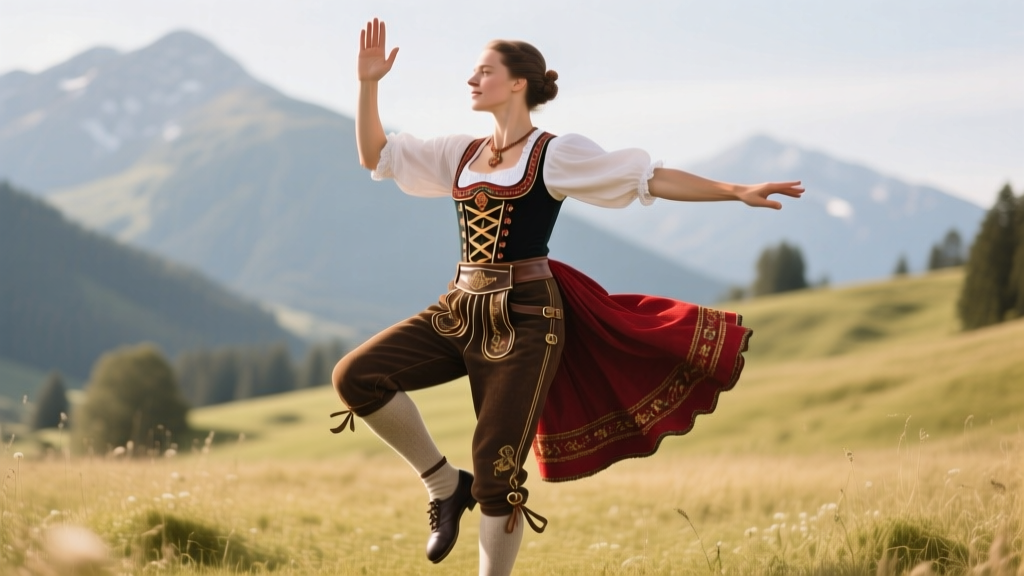
The word Tracht derives from the Old High German draht (to wear or carry). Historically, it did not refer to a costume, but rather to the everyday, regional workwear of the rural and alpine populations. While the Lederhosen (leather breeches) are the most globally recognized element of Bavarian and Alpine dress, they are merely one component of a highly codified sartorial ecosystem. True Tracht is defined by its Ordnung (rules), which dictate specific colors, embroidery motifs, and garment pairings based on a man's home village, marital status, and the occasion.
According to the Bayerisches Nationalmuseum (Bavarian National Museum), the preservation of these regional codes is vital to maintaining the intangible cultural heritage of Southern Germany and the Alpine regions. The garments are not static relics; they are dynamic expressions of local identity that continue to evolve while strictly adhering to historical frameworks.
Decoding the Garments: A Guide to Traditional German Clothes for Men
When researching authentic german clothes for men, it is crucial to recognize the distinct regional variations that exist outside of the stereotypical Munich-Oktoberfest aesthetic. The materials and silhouettes shift dramatically depending on the local climate and historical trade routes.
| Region | Primary Garment | Distinctive Feature | Typical Material |
|---|---|---|---|
| Upper Bavaria (Oberbayern) | Kniebundhosen (Knee-breeches) | Intricate oak-leaf hand-embroidery (Stickerei) | Hirschleder (Deerskin) |
| Black Forest (Schwarzwald) | Schützenjacke (Frock coat) | Red lining, silver buttons, wide-brimmed hat | Loden wool and velvet |
| Franconia (Franken) | Lange Hose (Long trousers) | Subdued embroidery, darker earth tones | Goatskin and heavy wool |
| Swabia (Schwaben) | Kitel (Smock/Tunic) | Standing collar, brass buttons, minimal leather | Heavy linen and cotton |
The Shirt and Neckwear: Pfoad and Krawattl
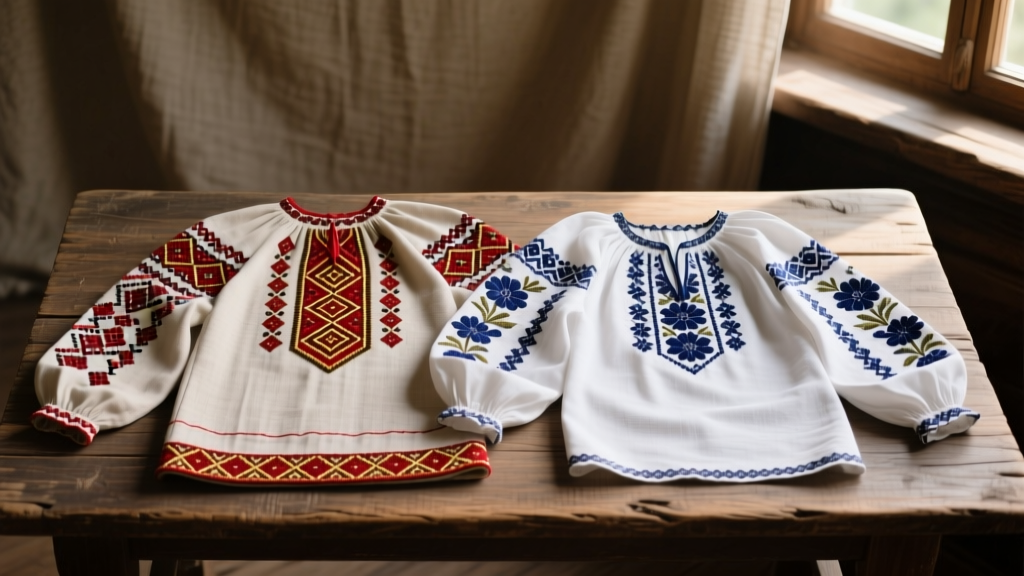
The foundation of the alpine outfit is the Pfoad, a collarless or stand-up collar shirt made from heavyweight, unbleached linen. Historically, the linen was woven by local families and bleached in the sun. Today, authentic Pfoad shirts feature mother-of-pearl or horn buttons. The neckwear, known as the Krawattl or Schürze, is a short, wide silk tie, often hand-embroidered with alpine flora, tied in a specific regional knot.
Footwear and Accessories: Haferlschuhe and Charivari
No discussion of german clothes for men is complete without the Haferlschuhe. Originally designed as rugged alpine work shoes, these feature a distinctive side-lacing system and a heavily hobnailed or profiled sole for gripping steep, rocky terrain. They are worn with thick, calf-high woolen socks (Wadenwärmer or Stutzen).
The most striking accessory is the Charivari—a heavy silver chain draped across the drop-front (Latz) of the Lederhosen. Originally, hunters wore their small game trophies (fox teeth, eagle claws, badger hair) on a chain as a talisman for future hunts. Today, the Charivari is crafted from solid silver, featuring cast replicas of animal trophies, coins, and antler carvings, often passed down as a family heirloom.
The Socio-Historical Evolution of Mens Tracht
The trajectory of German menswear from peasant necessity to national symbol is a fascinating study in cultural romanticism. In the 18th century, Lederhosen were strictly the utilitarian workwear of foresters, hunters, and farmers. The durable deer leather protected against brambles and harsh weather, while the short cut allowed for ease of movement in the mountains.
From Peasant Workwear to Aristocratic Revival
The turning point occurred in the mid-19th century during the Romantic movement. As industrialization threatened rural ways of life, European aristocracy began to idealize the 'noble peasant.' King Maximilian II of Bavaria actively promoted the wearing of Tracht to foster a unified Bavarian identity. According to archives at the Deutsches Trachtenmuseum in Bad Kötzting, this royal endorsement transformed rural workwear into a symbol of regional pride and aristocratic leisure, leading to the establishment of the first Trachtenvereine (costume preservation societies) in the 1880s.
Sourcing Authentic German Menswear: Fabrics, Artisans, and Price Guides
Purchasing authentic german clothes for men requires an understanding of artisan guilds and material grading. True Tracht is not manufactured in overseas factories; it is crafted by master artisans, particularly the Säckler (master leatherworkers) and Schneider (tailors) who undergo years of apprenticeship.
Investment Tiers for Traditional Garments
When budgeting for a complete, authentic outfit, buyers should expect the following price ranges (in EUR):
- Entry-Level / Trachtenmode (€150 - €350): Factory-made garments using cowhide or pigskin, machine-embroidery, and synthetic blends. Suitable for casual festivals but lacks historical accuracy and longevity.
- Mid-Tier / Handcrafted (€500 - €900): Genuine Ziegenleder (goatskin) or standard Hirschleder (deerskin), featuring a mix of machine and hand-stitching. Horn buttons and quality linen shirts.
- Heirloom / Master Artisan (€1,200 - €3,000+): Custom-fitted, brain-tanned Hirschleder (which is incredibly soft and breathable), 100% hand-embroidered (handgestickt) motifs using silk thread, solid silver Charivari, and bespoke Haferlschuhe. These garments are built to last multiple generations.
For those seeking genuine preservation-grade garments, the Bayerischer Trachtenverband (Bavarian Tracht Association) maintains directories of certified regional artisans and Säckler who adhere to traditional tanning and stitching methods.
Cultural Etiquette: Wearing Tracht with Respect Today
Wearing traditional German menswear carries cultural weight, particularly in Southern Germany and Austria. To wear Tracht respectfully, one must observe several unwritten rules of etiquette:
The Golden Rule of Suspenders: Authentic Lederhosen are designed to be worn with Hosenträger (suspenders) that cross in the back or feature an ornate cross-piece (Steg). Wearing a leather belt through the loops of traditional Lederhosen is considered a major sartorial faux pas and immediately marks the wearer as a tourist.
Furthermore, hat etiquette is paramount. The Trachtenhut, typically made of rabbit felt and adorned with a Gamsbart (chamois beard) or an eagle feather, must be removed when entering a church, a private home, or when sitting down at a traditional dining table. The placement of the feather or tuft can also indicate regional affiliation or membership in a specific Trachtenverein.
Ultimately, german clothes for men represent far more than a seasonal party outfit. They are a meticulously preserved archive of alpine history, a testament to the mastery of European leatherworkers and weavers, and a living, breathing expression of regional identity that commands deep respect when worn correctly.