European Traditional Costume: A Beginner Guide to Folk Dress

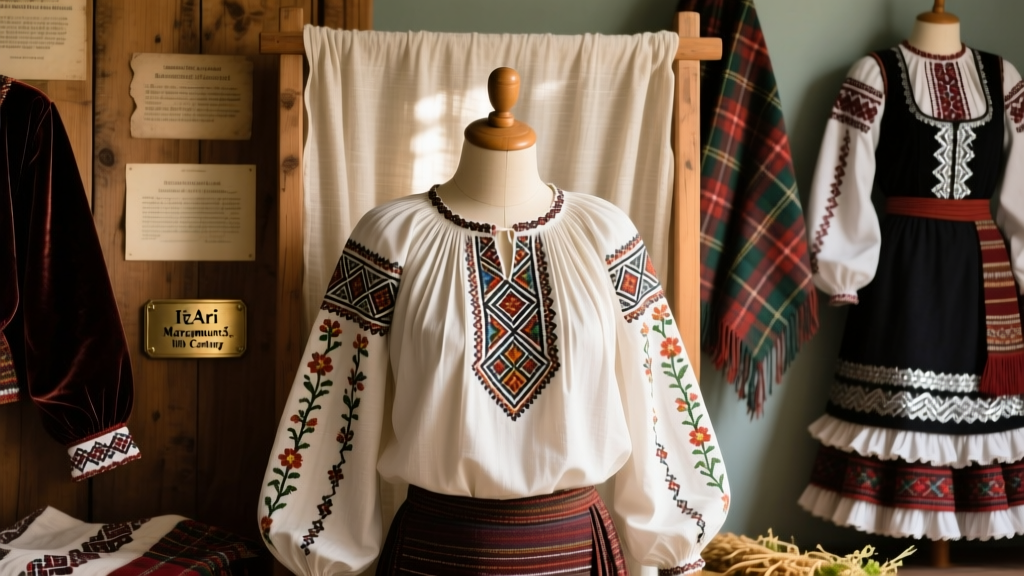
When exploring the rich tapestry of the European traditional costume, beginners often encounter a labyrinth of regional terms, strict cultural protocols, and vast differences in garment quality. Unlike historical reenactment clothing or theatrical costumes, true folk dress in Europe represents living traditions. These garments are actively worn at weddings, national holidays, and cultural festivals, evolving slowly while maintaining deep historical roots. This beginner guide will help you navigate the terminology, understand the artisan construction behind authentic pieces, and learn the cultural etiquette required to wear and appreciate these garments respectfully.
Beyond the Word 'Costume': A Lexicon of Tradition
In English, the phrase 'European traditional costume' is widely used for searchability and general understanding. However, within the cultures that create these garments, the word 'costume' can sometimes imply something artificial or theatrical. To truly understand this category of clothing, one must learn the native terminology that distinguishes living heritage from mass-produced souvenirs.
Tracht (German and Alpine Regions)
In Germany, Austria, and parts of Switzerland, traditional clothing is known as Tracht. Derived from the verb tragen (to wear or carry), Tracht refers to garments that denote a specific region, trade, or social status. The most globally recognized forms are the Dirndl (women's dress) and Lederhosen (men's leather breeches). True Tracht is governed by local Trachtenvereine (folk costume associations) which preserve historical accuracy in stitching, color palettes, and fabric weights.
Bunad (Norway)
The Norwegian Bunad is a unique phenomenon. Unlike garments that evolved continuously from peasant wear, most Bunads were reconstructed during the National Romantic period in the late 19th and early 20th centuries. Based on historical rural clothing, they are heavily regulated by the Norsk institutt for bunad og folkedrakt (Norwegian Institute of Bunad and Folk Costume). A Bunad is not merely an outfit; it is a marker of geographic identity, typically tied to the wearer's ancestral hometown.
Highland Dress (Scotland)
Scottish Highland Dress centers around the kilt and its associated accessories. Governed by centuries of clan history and post-Jacobite revivalism, Highland Dress is highly codified. The Scottish Tartans Authority maintains the official registry of tartan patterns, ensuring that the weaving, thread counts, and color palettes of clan and district tartans remain historically accurate.
Regional Pillars of European Folk Dress
To build a foundational understanding, we must examine the construction and cultural context of three major pillars of European folk clothing.
The Alpine Sphere: Dirndl and Lederhosen
Authentic Alpine Tracht is a masterclass in functional, durable design. A traditional Lederhosen is not made from cowhide, but from Hirschleder (deer leather) or Gamsleder (chamois). The leather undergoes Sämischgerbung, an ancient brain-and-oil tanning process that makes the leather washable, breathable, and incredibly soft. The embroidery, known as Schnürstickerei, is done by hand using silk or linen thread, often featuring motifs of edelweiss, oak leaves, and alpine flora.
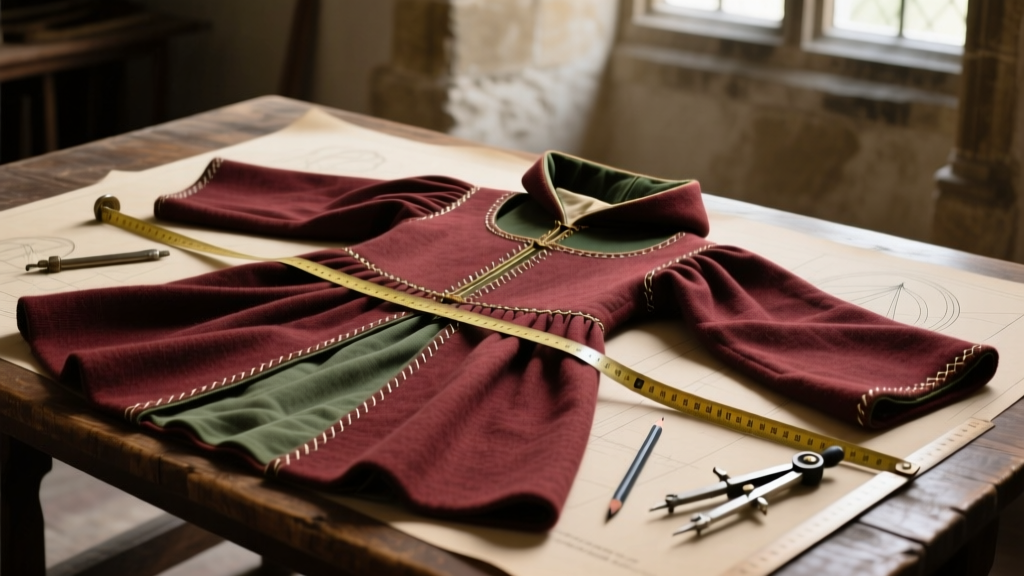
The Dirndl consists of four distinct pieces: the bodice (Mieder), blouse (Bluse), skirt (Rock), and apron (Schürze). An authentic Dirndl bodice is heavily structured, sometimes reinforced with horn or metal stays, and the skirt is meticulously hand-gathered to create a dense, swinging silhouette that mass-market polyester versions cannot replicate.
The Scandinavian Revival: The Norwegian Bunad
The most iconic Bunad, the Hardangerbunad, is often called Norway's national costume. It features striking black, white, and red color blocking, accompanied by intricate cross-stitch embroidery. The defining feature of any Bunad is the silverwork (sølje). Hand-forged silver brooches, clasps, and crown-shaped pins are not just decorative; they historically represented a family's portable wealth and were passed down through generations. The wool used for Bunads is typically a specially spun, tightly woven worsted wool that repels wind and light rain, essential for the Nordic climate.
The Celtic Tradition: Scottish Highland Dress
The heart of Highland Dress is the kilt. An authentic kilt is an 8-yard garment woven from 16oz heavy worsted wool. The construction involves complex knife pleating at the back, which is hand-stitched down to the 'fell' (the hip line) to allow the tartan pattern to align perfectly when the wearer moves. Accessories are equally vital: the sporran (leather or fur pouch) serves as a pocket, as kilts have none, while the sgian-dubh (small knife) is tucked into the top of the kilt hose (socks).
Navigating the Market: Price and Provenance
One of the greatest challenges for beginners is distinguishing between 'Oktoberfest fast-fashion' and genuine cultural garments. The price disparity reflects differences in material sourcing, labor conditions, and historical accuracy. Below is a buyer's matrix to help you understand what you are paying for.
| Garment Type | Region | Mass-Market Price | Authentic Artisan Price | Key Authenticity Markers |
|---|---|---|---|---|
| Dirndl | Bavaria / Austria | €50 - €120 | €450 - €1,500+ | Silk/linen blends, horn buttons, hand-gathered skirts, structured bodice. |
| Lederhosen | Alpine Regions | €80 - €150 | €600 - €2,000+ | Hirschleder (deer), horn buttons, hand-stitched embroidery, drop-front. |
| Bunad | Norway | N/A (No mass market) | €2,500 - €5,000+ | Hand-woven regional wool, sterling silver sølje, certified local tailor. |
| Highland Kilt | Scotland | £40 - £90 | £350 - £800+ | 16oz worsted wool, 8-yard weave, hand-stitched fell, pure wool tartan. |
When purchasing authentic pieces, look for certifications. In Germany, the Bayerisches Nationalmuseum (Bavarian National Museum) frequently collaborates with artisans to preserve historical patterns. Purchasing from recognized Trachten tailors or official Bunad institutes ensures your money supports living heritage rather than overseas sweatshops producing cultural caricatures.
Cultural Etiquette and Wearing Protocols
Wearing a European traditional costume requires adherence to specific cultural protocols. Ignoring these rules can be seen as disrespectful or immediately mark the wearer as an uninformed tourist.
The Dirndl Apron Code
In Bavarian and Austrian culture, the way a woman ties her Dirndl apron bow communicates her relationship status. This is not a modern marketing gimmick, but a widely respected social cue:
- Left Side: Single and available.
- Right Side: In a relationship, married, or engaged.
- Center: Historically indicated virginity; today, it is rarely used but sometimes worn by young girls.
- Back: Widowed, or the wearer is a waitress/serving staff.
Bunad Geographic Loyalty
You cannot simply choose a Norwegian Bunad based on its aesthetic. A wearer must have a tangible connection to the region the Bunad represents—either through birth, ancestry, or long-term residence. Furthermore, wearing a Bunad demands strict adherence to traditional grooming and accessories. Sneakers, modern wristwatches, and non-traditional makeup are heavily frowned upon. Footwear must consist of traditional leather bunadsko with hand-woven wool stockings.
Kilt Proportions and Modesty
Highland Dress etiquette is heavily focused on proportion. The hem of the kilt must fall exactly to the middle of the kneecap when the wearer is kneeling on the floor. A kilt that is too short is considered highly inappropriate, while one that is too long ruins the silhouette. Additionally, the kilt is traditionally worn without underwear ('going regimental'), though this is a personal choice today. However, if wearing underwear, it must be plain and never patterned, as it may show through the heavy wool in bright sunlight.
Conclusion: Respecting the Threads of History
Engaging with the European traditional costume is an exercise in cultural appreciation. Whether you are investing in a hand-embroidered Bavarian Dirndl, commissioning a Scottish kilt from a master weaver in the Hebrides, or simply attending a folk festival as an observer, understanding the history, construction, and etiquette of these garments transforms them from mere 'costumes' into profound expressions of identity. By prioritizing artisan craftsmanship and respecting regional protocols, beginners can participate in these beautiful, living traditions with confidence and reverence.