Chinese New Year Clothing: 2026 Festival Guide
The Lunar New Year in Europe's Multicultural Tapestry
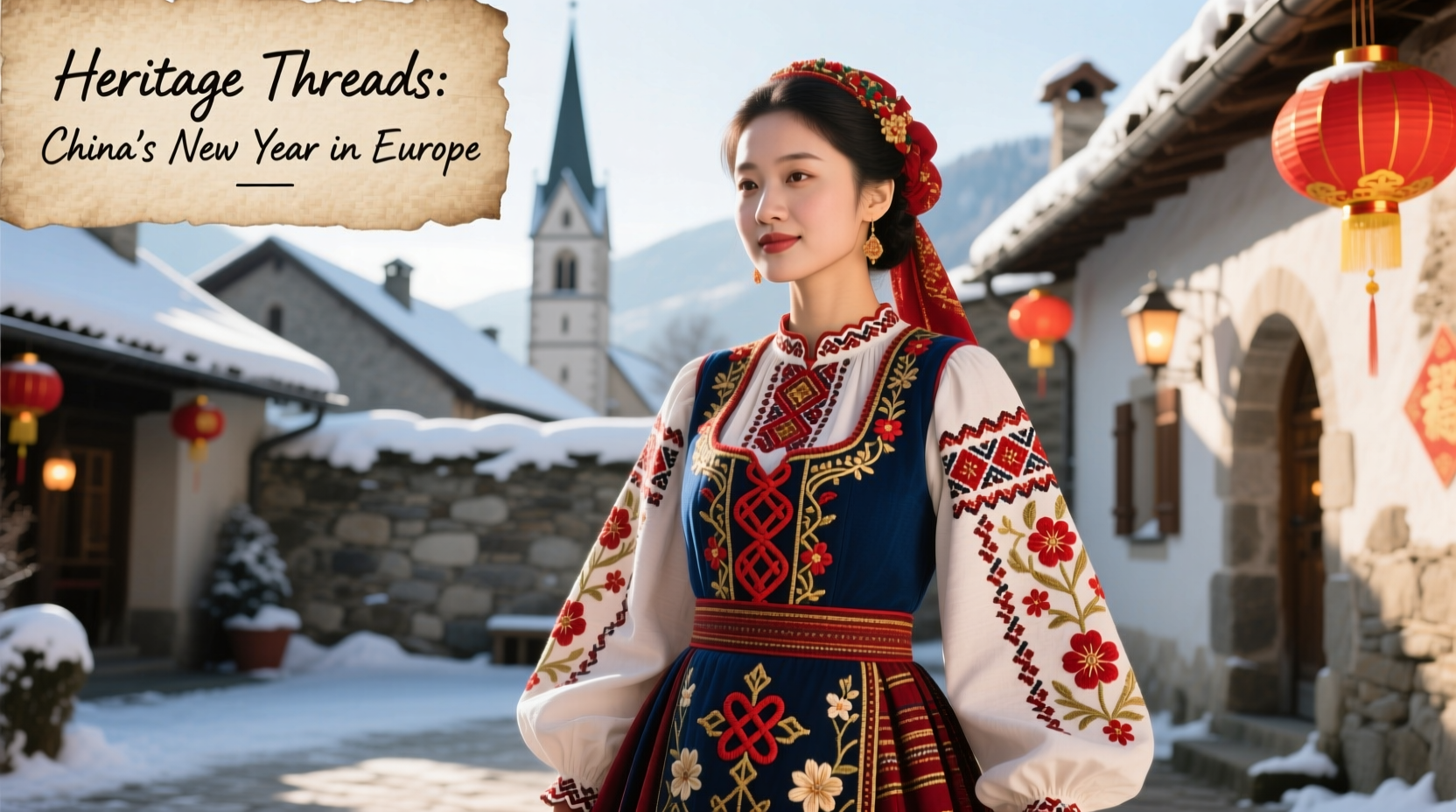
While The Garment Atlas is globally recognized for cataloging indigenous European folk dress—from the intricate embroidery of the Norwegian Bunad to the structured wool of the Scottish Kilt—the contemporary European festival landscape is a vibrant, multicultural tapestry. As we approach the 2026 Lunar New Year, Europe’s major capitals host some of the largest and most historically rich celebrations outside of Asia. Understanding Chinese New Year traditional clothing is essential for attendees, cultural historians, and textile enthusiasts navigating these spectacular European parades.
This guide bridges our European folk dress expertise with the living traditions of the Asian diaspora in Europe. We explore the construction, history, and sourcing of authentic festive garments in London, Paris, and Milan, ensuring you approach the 2026 celebrations with cultural respect and sartorial knowledge.
Decoding Chinese New Year Traditional Clothing
To appreciate the garments seen at European Lunar parades, one must look past mass-produced costume shop imitations and understand the deep textile history, specific weaves, and structural tailoring of authentic pieces.
The Tangzhuang (唐装): Festive Outerwear
Often worn by elders and community leaders during European Chinatown parades, the Tangzhuang (Tang Suit) is a staple of Chinese New Year traditional clothing. Despite its name, it does not originate from the Tang Dynasty. Instead, it evolved from the Magua (a riding jacket of the Qing Dynasty) and was modernized and popularized globally during the 2001 APEC summit in Shanghai. Authentic Tangzhuang jackets are crafted from heavy silk brocade and feature pankou—intricate, hand-knotted frog fasteners that serve as both functional closures and symbolic talismans of longevity and unity.
Hanfu Revival: Ming Dynasty Elegance
Among younger generations in Europe's diaspora, the Hanfu movement has revolutionized festival wear. For the winter chill of a London or Paris parade, attendees favor the Ming Dynasty Aoqun ensemble. This consists of a structured, cross-collared jacket (Ao) paired with a Mamianqun (horse-face skirt). The Mamianqun is a marvel of historical garment engineering: it features flat front and back panels with deeply pleated sides, allowing for ease of movement while maintaining a rigid, regal silhouette. High-end European sourced versions often utilize Kesi (cut silk) tapestry techniques, where the weft threads are discontinuous, creating vibrant, sculptural motifs of peonies and phoenixes.
The Qipao (旗袍): The Modern Silhouette
The Qipao (or Cheongsam) remains a prominent choice for formal Lunar New Year banquets held in European heritage hotels. Originating from Manchu banner dress and heavily tailored in 1920s Shanghai to reflect modern silhouettes, the Qipao requires master-level bespoke tailoring. Authentic European-sourced Qipaos are cut from silk crepe de chine or heavy jacquard, featuring a high mandarin collar and subtle side slits that facilitate movement without compromising modesty.
2026 European Festival Guide: Where to Wear & Source
Europe is home to historic Chinatowns and thriving diaspora communities. If you are looking to source authentic Chinese New Year traditional clothing or observe these garments in their proper cultural context, these 2026 festival hubs are paramount.
London: Shaftesbury Avenue & The West End
London’s Lunar New Year parade, organized in part by the London Chinatown Chinese Association, transforms the West End into a sea of crimson and gold. For sourcing, avoid the tourist traps on Gerrard Street's main thoroughfare. Instead, venture into the upper floors of Chinatown's arcades and the bespoke tailors in neighboring Soho, where master tailors craft custom Tangzhuang and Qipaos using imported Hangzhou silks.
Paris: The 13th Arrondissement Parade
Paris hosts Europe’s largest Lunar New Year parade in the 13th Arrondissement, centered around Place d'Italie. The Chinese Cultural Centre in Paris frequently hosts exhibitions detailing the evolution of festive textiles. For garment sourcing, the boutiques along Rue de Belleville and Avenue de Choisy offer incredible ready-to-wear Mamianqun skirts and embroidered silk jackets, blending traditional French fashion sensibilities with historic Chinese motifs.
Milan: Via Paolo Sarpi
Milan’s historic Chinese district on Via Paolo Sarpi offers a unique intersection of Italian textile mastery and Chinese heritage. Here, you can find artisans who merge European silk-weaving traditions with traditional Chinese festive patterns, resulting in stunning, hybrid bespoke garments perfect for high-end European gala events.
Sourcing Authentic Garments in Europe (Price & Fabric Guide)
When investing in Chinese New Year traditional clothing in Europe, quality varies drastically. Below is a structured guide to help you navigate pricing, materials, and appropriate usage for the 2026 festival season.
| Garment | Material & Weave | European Price Range | Best Festival Context |
|---|---|---|---|
| Tangzhuang (Jacket) | Silk Brocade, Cotton Lining | €80 - €250 | Outdoor parades, casual community gatherings |
| Mamianqun (Skirt) | Jacquard Silk, Kesi Tapestry | €150 - €600+ | Cultural exhibitions, photography, street festivals |
| Bespoke Qipao | Silk Crepe de Chine, Velvet | €400 - €1,500+ | Indoor banquets, formal European gala dinners |
| Children's Festive Set | Cotton-Silk Blend, Faux Fur Trim | €45 - €120 | Family parade attendance, school cultural days |
Textile Symbolism and Color Etiquette
Wearing Chinese New Year traditional clothing at a European festival requires an understanding of color theory and motif symbolism. The dominant color is Hong (Red), historically believed to ward off the mythical beast Nian and symbolize luck, joy, and prosperity. Gold and yellow accents represent imperial heritage and wealth.
Motifs are never accidental. You will frequently see the Peony (the king of flowers, symbolizing honor and wealth), the Bat (a homophone for 'good fortune' in Mandarin), and the Plum Blossom (representing resilience in the winter cold).
'Cultural appreciation at European festivals means engaging with the living history of the garment. Sourcing from diaspora artisans, understanding the meaning of the pankou knots, and respecting the solemnity of the colors transforms a simple parade outfit into a meaningful cross-cultural exchange.'
Crucial Etiquette Rules for 2026 Attendees
- Avoid Mourning Colors: Never wear solid black or stark white to a Lunar New Year event. In traditional Chinese culture, these colors are strictly reserved for mourning and funerals.
- Respect the Collar: When wearing a Tangzhuang or Hanfu jacket, ensure the left side of the garment crosses over the right side (Jiaoling Youren). The reverse is traditionally reserved for dressing the deceased.
- Support Authentic Artisans: Avoid purchasing cheap, synthetic 'costumes' from European fast-fashion chains. Instead, support the authentic tailors and silk merchants operating within Europe's historic Chinatowns, ensuring the preservation of traditional garment-making techniques.
Preserving Heritage in the Diaspora
As European cities continue to embrace the Lunar New Year as a vital part of their civic cultural calendars, the presence of authentic Chinese New Year traditional clothing enriches the continent's folk and festival dress landscape. By understanding the deep historical roots of the Mamianqun, the structural elegance of the Qipao, and the festive warmth of the Tangzhuang, attendees of the 2026 European festivals can participate with profound respect, celebrating the enduring power of textile heritage.
For further reading on historical Asian textiles and their influence on global fashion, we highly recommend exploring the extensive archives at the Victoria and Albert Museum's Asian Collections, which provide unparalleled scholarly context on silk trade routes and historical garment construction.