National Dress: European Modern vs Trad Style
The Global Context: European Folk Dress in a Worldwide Wardrobe
When exploring national dress around the world, European folk costumes occupy a unique space. Unlike many indigenous or Asian garments that are strictly reserved for ceremonial use, European traditional dress exists in a state of constant negotiation between fierce historical preservation and vibrant, globalized modern styling. From the meticulously regulated valleys of Norway to the worldwide diaspora of Scottish Highland games, European national dress is both a guarded heritage and a living, evolving fashion statement.
For the cultural garment enthusiast, understanding the friction—and harmony—between traditional protocols and modern styling is essential. This guide deconstructs the construction, cultural rules, and contemporary adaptations of three major European folk garments, providing a framework for respectful and informed global styling.
Norway’s Bunad: Strict Heritage vs. Diaspora Styling
The Norwegian bunad is arguably the most strictly regulated national dress in Europe. Overseen by the Norsk Institutt for Bunad og Folkedrakt (NIB), the bunad is not merely a costume; it is a geographic identifier tied to a wearer’s ancestral lineage or current residence.
Traditional Construction and the Sølv Protocol
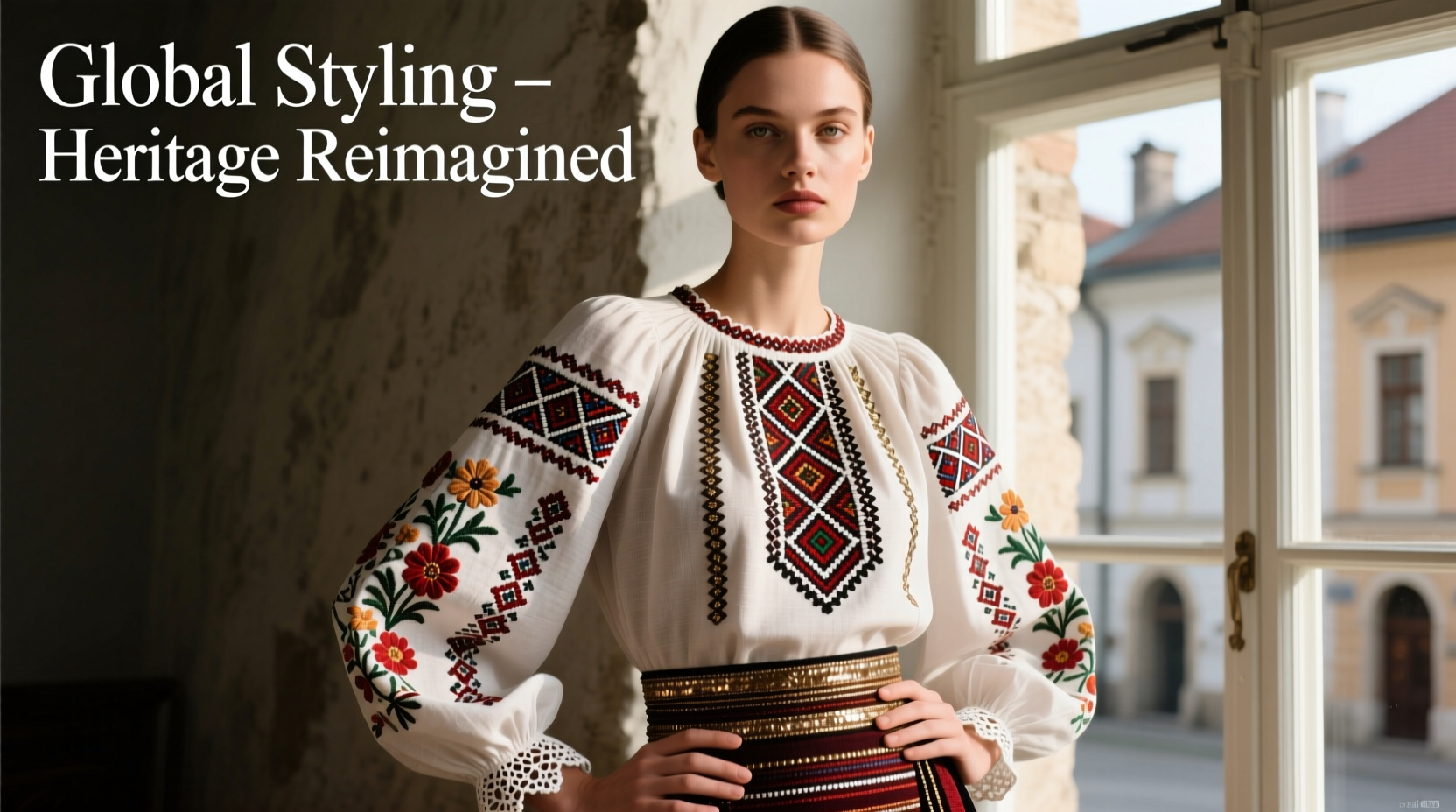
An authentic bunad is a masterclass in regional textile arts. Take the Hardangerbunad, for example. The garment features intricate wool embroidery (often using the Hardangersøm drawn-thread technique) on a locally woven wool stakk (skirt) and liv (bodice). The true hallmark of the bunad, however, is the sølje—traditional filigree silver jewelry.
- Material Composition: 100% Norwegian-spun wool, hand-woven linen undergarments, and sterling silver (925S) jewelry.
- Construction: Custom-tailored to the millimeter. The bodice is heavily boned and lined, designed to be passed down through generations and altered as the wearer’s body changes.
- Price Range: A complete, authentic bunad ensemble (including silver and shoes) typically ranges from 30,000 to 50,000 NOK ($2,800 to $4,700 USD).
Modern Global Adaptations
While the NIB strictly forbids altering the historical patterns of official bunads, modern Norwegian designers and the global diaspora have birthed the festdrakt (party dress). The festdrakt borrows the silhouette and silver of the bunad but allows for creative freedom in fabric choices, colors, and embroidery motifs. For Norwegians living abroad, or international enthusiasts, the festdrakt offers a respectful way to engage with Nordic styling without appropriating a specific region’s protected historical identity.
The Scottish Kilt: Tartan Registry to Global Streetwear
Of all the items of national dress around the world, the Scottish kilt has achieved the most widespread global recognition. Yet, the gap between a traditional Highland dress kilt and modern commercial interpretations is vast.
The 8-Yard Worsted Standard
According to the Scottish Tartans Authority, a traditional kilt (féileadh beag) is a marvel of bespoke tailoring. It is constructed from exactly 8 yards (approx. 7.4 meters) of single-width worsted wool, weighing a substantial 16oz to 18oz per yard.
'The true test of a highland kilt is the pleating. A master kiltmaker will knife-pleat or box-pleat the tartan so that the pattern aligns perfectly across the fell, creating a seamless visual flow that moves dynamically with the wearer.'
Traditional styling mandates specific accessories: a horsehair sporran (pouch), a sgian-dubh (sock knife), and ghillie brogues. The tartan itself is often registered to a specific clan, district, or military regiment, making the garment a deeply personal heraldic statement.
Contemporary Utility and High-Fashion Crossovers
In modern global streetwear and festival culture, the kilt has been radically reimagined. 'Utility kilts' made from heavy cotton canvas, denim, or technical nylon have replaced wool for everyday wear. These modern versions often feature cargo pockets, D-rings, and snap buttons, stripping away the clan heraldry in favor of utilitarian aesthetics. While traditionalists view this as a dilution, contemporary Scottish designers like Charles Jeffrey (LOVERBOY) have successfully pushed the kilt into avant-garde high fashion, proving the garment's structural versatility beyond the Highland games.
Alpine Tracht: From Bavarian Guilds to Worldwide Festivals
When discussing national dress around the world, the German and Austrian Tracht (specifically the Dirndl and Lederhosen) presents a fascinating case study in commercialization versus authentic preservation.
Authentic Hirschleder vs. Commercial Costuming
Global Oktoberfest celebrations have spawned a massive industry of cheap, mass-produced 'beer tent' costumes. However, authentic Alpine Tracht is a highly respected, expensive, and regionally specific craft, heavily documented by institutions like the Bayerisches Nationalmuseum.
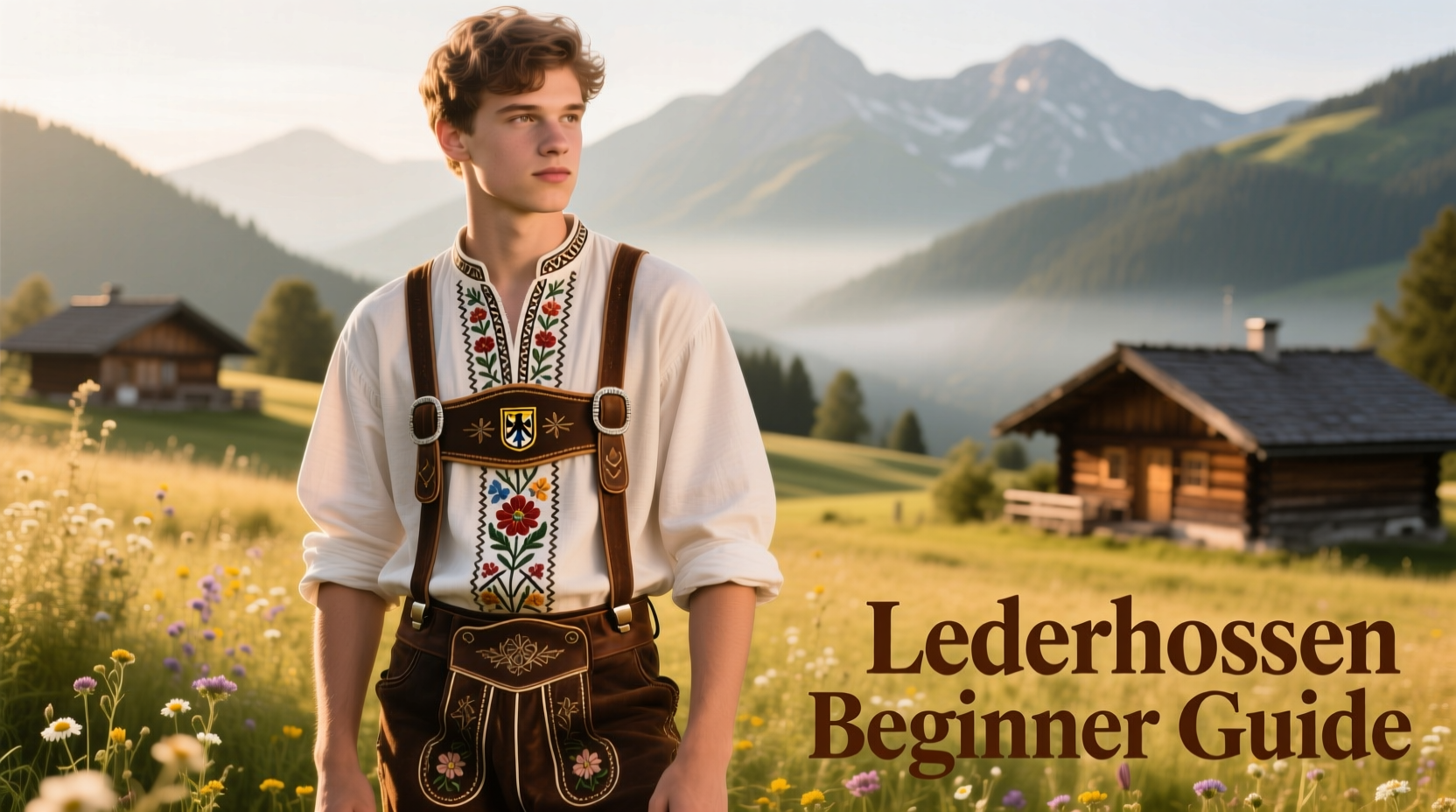
- Lederhosen: Authentic pairs are made from Hirschleder (deer leather) using Sämischgerbung (a traditional brain/oil tanning process). This makes the leather incredibly soft, washable, and durable. They feature hand-stitched Stickerei (embroidery) depicting regional flora like edelweiss or oak leaves. Price: €800 to €1,500+.
- Dirndl: A traditional Dirndl consists of a highly structured Mieder (bodice), a blouse, a wide skirt, and a Schürze (apron). High-end Dirndls feature Froschgoscherl (frog-mouth) piping and hand-pleated skirts made from silk, linen, or fine wool.
Modern styling in Munich and Salzburg has seen a 'Neo-Tracht' movement, where designers pair traditional leather shorts with modern turtlenecks, or style vintage Dirndl bodices with contemporary midi-skirts, bridging the gap between rural heritage and urban chic.
Comparative Matrix: Heritage Rules vs. Modern Styling
To navigate the complexities of European folk dress, use this framework to understand the boundaries between traditional protocol and modern global styling.
| Garment | Traditional Protocol (Heritage) | Modern Global Styling (Adaptation) | Cultural Sensitivity Note |
|---|---|---|---|
| Norwegian Bunad | Strict regional patterns, mandatory silver sølje, custom-tailored wool. | Festdrakt with creative fabrics; wearing inherited silver with modern formalwear. | Never claim a specific regional Bunad if you have no tie to that area; opt for a festdrakt instead. |
| Scottish Kilt | 8-yard 16oz worsted wool, clan-specific tartan, hand-stitched pleats, full Highland regalia. | 5-yard utility kilts in canvas/denim, fashion tartans, paired with boots and streetwear. | Avoid wearing a specific clan tartan if you have no lineage; choose universal or fashion tartans. |
| Alpine Tracht | Hirschleder tanned with natural oils, hand-embroidered, structured silk/linen Dirndls. | Neo-Tracht mixing vintage bodices with modern skirts; high-quality cotton everyday Lederhosen. | Avoid cheap, hyper-sexualized 'Oktoberfest' costumes, which are deeply offensive to Bavarian/Austrian culture. |
Sourcing and Wearing Etiquette for the Global Citizen
Engaging with national dress around the world requires a mindset of appreciation rather than appropriation. When sourcing European folk garments, prioritize artisan cooperatives and heritage tailors over fast-fashion retailers.
If you are attending a cultural event—be it a Norwegian Constitution Day (Syttende Mai) parade, a Scottish ceilidh, or a traditional Bavarian Maibaumfest—research the specific etiquette of the garment. For instance, the placement of a Dirndl apron bow signals relationship status (left for single, right for taken, center for virgin/young, back for widowed/waitress). Understanding these silent languages transforms the garment from a mere outfit into a profound act of cultural participation. By respecting the historical construction and regional nuances of these garments, we ensure that Europe's rich textile heritage continues to thrive in the modern global wardrobe.