German Lederhosen: Beginner Guide to Tracht
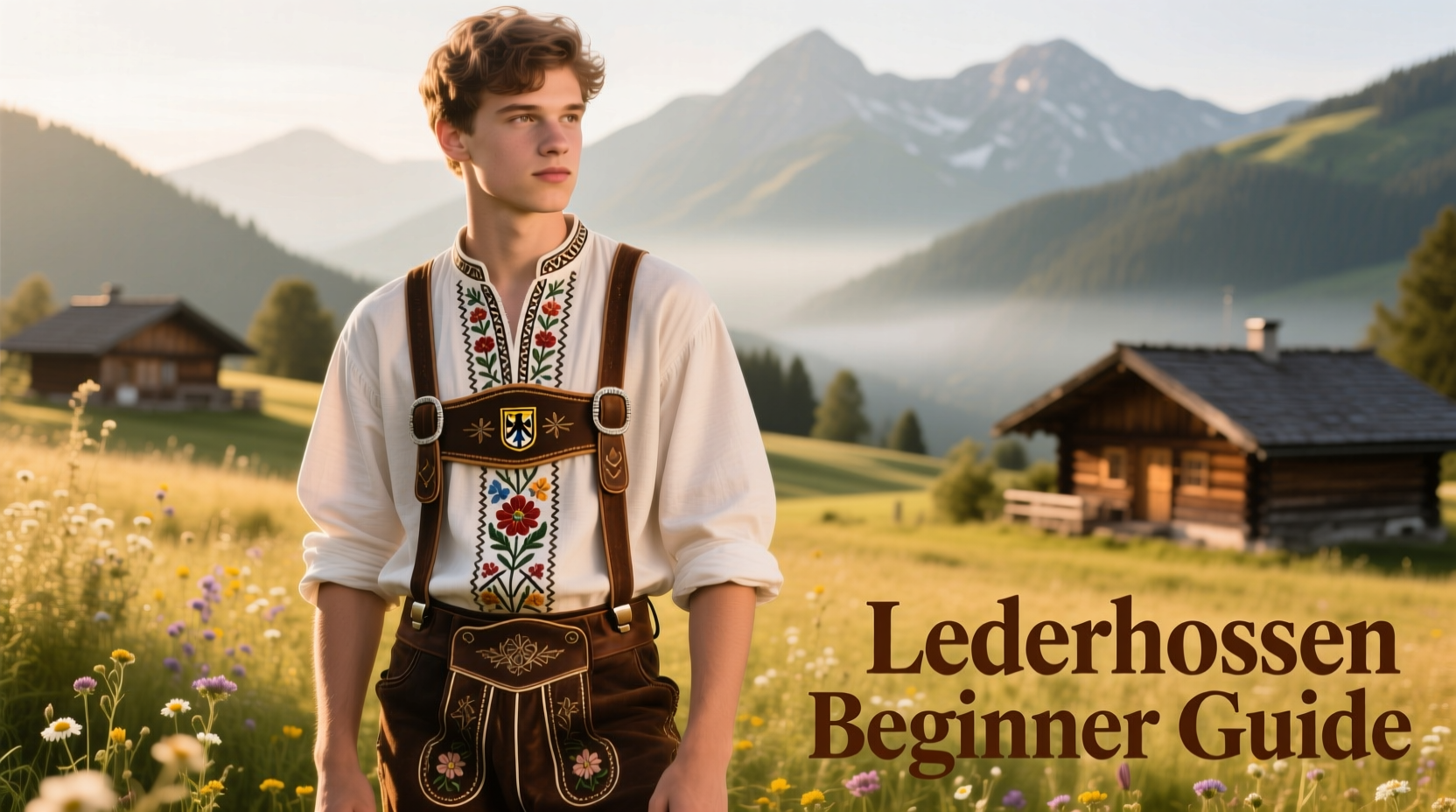
When assembling an authentic German outfit, lederhosen are undoubtedly the most globally recognized garment. However, to view these leather breeches merely as a seasonal festival uniform is to misunderstand a rich, living cultural tradition. In Bavaria, Austria, and the broader Alpine regions, traditional dress is not a costume; it is a profound expression of regional identity, artisanal heritage, and social history.
This beginner’s guide will walk you through the anatomy of authentic lederhosen, the cultural nuances of Tracht, regional variations, and how to invest in a high-quality ensemble that respects the tradition.
Beyond the Beer Tent: Tracht vs. Kostüm
Before purchasing your first garment, it is vital to understand the linguistic and cultural distinction between Tracht and Kostüm. In German, a Kostüm refers to a disguise or a theatrical costume—something worn for Carnival (Fasching) or Halloween. Tracht, derived from the verb tragen (to wear), refers to traditional, regional clothing that is deeply tied to local history, guilds, and rural life.
According to the Trachteninformationszentrum (TIZ) in Benediktbeuern, the preservation of Tracht is about maintaining a living culture, not freezing a museum piece in time. Modern Tracht evolves, but its foundational elements—materials, cuts, and embroidery motifs—remain strictly tied to regional heritage. Wearing a mass-produced, synthetic 'costume' to a traditional Bavarian event is often viewed as culturally dismissive. Investing in genuine Tracht is a sign of respect for the local culture.
Anatomy of the Authentic German Outfit: Lederhosen Breakdown
True lederhosen (literally 'leather breeches') are masterpieces of the Säckler (traditional leatherworker) guild. The construction is highly specific and designed for the rigors of Alpine life, hunting, and forestry.
The Drop-Front (Latz) and Suspenders (Hosenträger)
The most defining feature of authentic lederhosen is the Latz, or drop-front flap. Historically, this heavy leather flap provided an extra layer of protection for woodcutters and hunters working in dense brush. It also eliminated the need for a belt, which would dig uncomfortably into the waist when bending or climbing. The Latz is secured by two leather buttons and is often the primary canvas for intricate regional embroidery.
The breeches are held up by Hosenträger (suspenders), which cross at the back and feature a horizontal chest strap (Steg). This chest strap is heavily embroidered, typically featuring motifs like edelweiss, oak leaves, acorns, or the hunter's horn. Etiquette Note: You never wear a belt with traditional lederhosen. The suspenders are the sole means of support.
The Art of the Stickerei (Embroidery)
Authentic embroidery is done by hand or with specialized artisan machines using silk or heavy cotton thread. The color of the thread often denotes the region or the specific Trachtenverein (traditional dress club) the wearer belongs to. For example, green and yellow thread is common in alpine hunting motifs, while white-on-white embroidery is reserved for highly formal, festive occasions.
Decoding the Leather: Hirsch, Reh, and Ziege
The soul of the garment lies in the leather. Authentic lederhosen are made from the hides of animals native to the Alpine regions, tanned using traditional methods (often brain-tanning or vegetable-tanning) to ensure the leather remains supple and breathable. Below is a breakdown of the primary leather types used in quality Tracht.
| Leather Type | German Term | Characteristics & Feel | Price Tier (EUR) |
|---|---|---|---|
| Roe Deer | Rehleder | Extremely soft, lightweight, velvety texture. Highly prized for comfort. | Premium (€600 - €900+) |
| Red Deer | Hirschleder | The gold standard. Durable, thick, ages beautifully, develops a rich patina. | Mid-High (€400 - €800) |
| Chamois | Gamsleder | Rare, incredibly soft, traditionally used for high-altitude hunting gear. | Bespoke (€800 - €1,200+) |
| Goat | Ziegenleder | Stiffer, less breathable, but durable and accessible for beginners. | Entry-Level (€150 - €300) |
When shopping, always check the interior label. Authentic garments will specify the animal (e.g., 100% Hirschleder). Avoid garments labeled simply as 'genuine leather' or 'PU leather,' as these are fast-fashion imports that lack the breathability and cultural authenticity required for proper Tracht.
Regional Dialects of Bavarian Dress
Just as Bavaria has distinct dialects, it has distinct Tracht regions. The Bayerisches Nationalmuseum in Munich houses extensive archives detailing how geography dictated clothing. If you wish to wear a truly authentic German outfit, lederhosen should ideally match the region you are visiting or paying homage to.
- Miesbacher Tracht: Originating from the Miesbach district, this is perhaps the most famous iteration. It features grey or charcoal Hirschleder, green embroidery, and is often paired with grey loden jackets and calf-high boots.
- Werdenfelser Tracht: Hailing from the Garmisch-Partenkirchen region, this style often incorporates lighter, rust-brown leather and distinct floral embroidery motifs that differ from the alpine hunting symbols of the east.
- Berchtesgadener Tracht: Known for its highly intricate, colorful embroidery and the use of specific regional accessories, including unique silver horn buttons and distinct hat styles.
Assembling the Full Ensemble: Shirts, Socks, and Shoes
Lederhosen are only one component of the Trachtenanzug (traditional suit). To complete the look respectfully, you must source the correct accompanying garments.
The Trachtenhemd (Shirt)
The traditional shirt is a linen or cotton Trachtenhemd. For everyday wear and folk festivals, a checkered shirt (typically blue/white or red/white) is standard. For formal events, weddings, or church processions, a crisp white linen shirt with subtle horn buttons is required. Never wear a modern t-shirt, polo, or dress shirt with lederhosen.
Haferlschuhe (Footwear)
The correct footwear is the Haferlschuh, a traditional Bavarian half-shoe characterized by its side-lacing system and sturdy, hobnailed leather sole. Originally designed to provide ankle support and grip on rocky Alpine terrain, they are typically made of dark brown or black leather. Avoid wearing modern sneakers or standard dress shoes.
Loferer Stutzen (Socks)
Footwear is paired with Loferer Stutzen (calf warmers). These are thick, knitted wool tubes that cover the calf but leave the heel and foot exposed, allowing the Haferlschuhe to fit snugly without bulk. They are typically grey or charcoal with subtle green or white decorative stitching at the top fold.
A Beginner’s Buying Framework: Where and How to Invest
Purchasing authentic Tracht is an investment in artisanal craftsmanship. Here is a practical framework for beginners navigating the market.
- Tier 1: Fast Fashion & Tourist Shops (€50 - €150) - Made of synthetic blends, pigskin, or low-grade goat leather with machine-stamped, glue-backed embroidery. Verdict: Avoid if you want to respect the culture.
- Tier 2: Entry-Level Authentic (€250 - €450) - Brands like Angermaier or entry-level lines from established houses offer genuine goat or basic deer leather with decent machine-assisted embroidery. Verdict: Excellent for beginners attending their first Oktoberfest or folk event.
- Tier 3: Heritage & Artisan (€600 - €1,500+) - Houses like Meindl, Lodenfrey, or local bespoke Säckler masters. Features premium Hirschleder, hand-stitched Stickerei, and horn buttons. Verdict: A lifelong garment that develops a beautiful patina and can be passed down through generations.
Wearing Etiquette and Care: Respect the Patina
One of the most unique aspects of authentic lederhosen is that they are never washed. Water and soap will strip the natural oils from the hide, causing it to stiffen and crack. Instead, the leather is meant to absorb the oils of the wearer, the environment, and the years, developing a dark, rich sheen known as Patina (or colloquially, Speck).
To care for your garment, simply brush off dry dirt with a soft bristle brush. If they become heavily soiled, take them to a professional leather cleaner who specializes in Tracht. When storing, keep them in a cool, dry place away from direct sunlight, and stuff the legs with acid-free paper to maintain their shape.
'Tracht is not a uniform you put on to play a part; it is a cultural heritage you wear to honor your roots and your region.' — Alpine Cultural Preservation Society
By understanding the construction, regional nuances, and proper etiquette of your German outfit, lederhosen transform from a simple pair of leather shorts into a profound connection with centuries of European folk history. Whether you are attending a local Schützenfest (marksmen's festival) or visiting Munich, wearing authentic Tracht with knowledge and respect will always be met with warmth and appreciation by the locals.