Dirndl Footwear Etiquette: Traditional Shoes & Styling

The Foundation of Alpine Tracht: Beyond the Dress
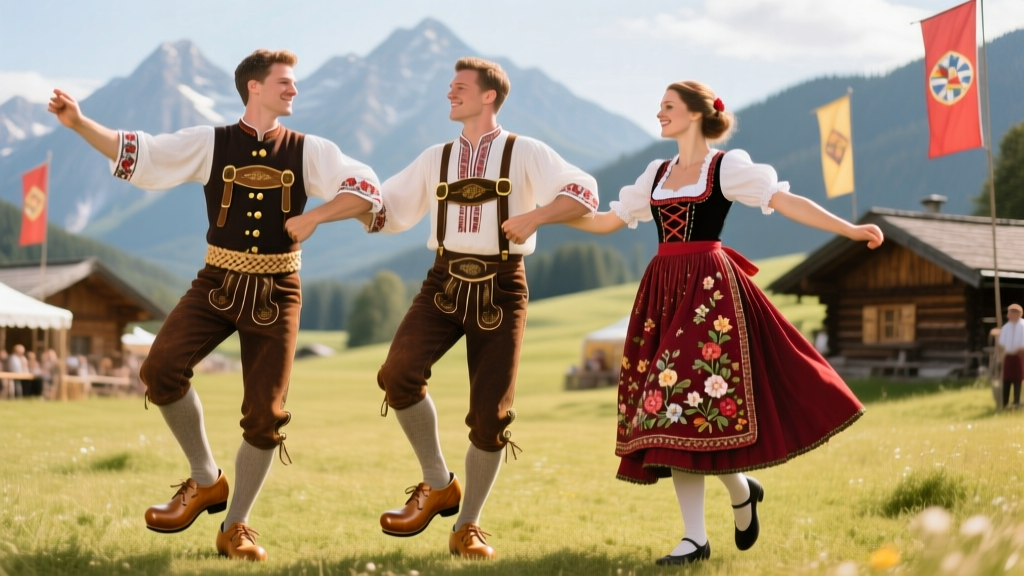
When constructing a complete Alpine Tracht ensemble, enthusiasts often pour hours into selecting the perfect Mieder (bodice) and Schürze (apron), yet treat dirndl footwear as a mere afterthought. This is a critical misstep in traditional European folk dress. In Bavarian, Austrian, and South Tyrolean cultures, footwear is not simply a practical necessity; it is a vital communicative tool that signals your understanding of regional heritage, the formality of the event, and your respect for the host. Whether you are attending a local Volksfest, a formal church wedding in the Alps, or the bustling tents of the Munich Oktoberfest, mastering dirndl footwear etiquette is essential for anyone looking to wear this cultural garment with authenticity and grace.
The Anatomy of Authentic Dirndlschuhe
The classic Dirndlschuh (plural: Dirndlschuhe) is a highly specific shoe style rooted in 19th-century Alpine bourgeois fashion, which later merged with rural working-class attire to form the modern Tracht. According to the textile archives at the Bayerisches Nationalmuseum, the traditional women's Tracht shoe is defined by several non-negotiable structural elements:
- The Toe Box: Always rounded or softly almond-shaped. Pointed toes are considered modern fashion intrusions and are entirely absent in authentic Tracht.
- The Heel (Blockabsatz): A sturdy block heel, typically ranging from 3 to 5 centimeters. This specific height and shape were historically designed to provide stability on uneven Alpine terrain, cobblestone streets, and grassy festival grounds.
- The Closure: Authentic pairs feature a Spange (strap across the instep) secured by a metal buckle, or a Flechtriegel (braided leather strap). Slip-on pumps without any instep detailing are generally viewed as standard office wear, not Tracht.
- The Material: High-quality smooth leather (Glattleder) or suede (Veloursleder). Cheaper, mass-market alternatives often use synthetic PU leather with artificial crocodile embossing (Kroko-Prägung), which is heavily frowned upon by Trachten purists.
The Great Debate: Trachtensneaker vs. Tradition
In the 2010s, a controversial trend emerged: the Trachtensneaker. These are athletic-style sneakers constructed from traditional materials like loden wool, felt, and deer leather, often featuring subtle Alpine embroidery. While highly popular among younger crowds at commercial festivals like the Oktoberfest, they occupy a highly contested space in the broader Tracht community.
The Bayerischer Trachtenverband (Bavarian Trachten Association), the governing body for traditional dress preservation in the region, maintains strict guidelines regarding authenticity. For formal parades (Trachtenumzüge), church services, and official Gau-Trachtenfeste, sneakers of any kind are strictly prohibited. Wearing them to a formal Alpine event is akin to wearing running shoes to a black-tie gala—it signals a profound misunderstanding of the cultural protocol. However, for casual tent visits, hiking to an Alpine hut (Almabtrieb), or modern street-style festivals, high-quality Trachtensneakers from heritage brands are increasingly accepted as a pragmatic compromise.
Occasion Matrix: Dirndl Footwear Etiquette
Navigating the social expectations of European folk dress requires matching your footwear to the specific cultural occasion. Use the following matrix to ensure your dirndl footwear aligns with regional etiquette.
| Occasion | Recommended Footwear | Strictly Prohibited | Formality Level |
|---|---|---|---|
| Kirchliche Hochzeit (Church Wedding) | Classic black or cognac Dirndlschuhe with a modest block heel; closed-toe leather pumps. | Sneakers, open-toe sandals, stilettos, wedges. | Formal / Sacred |
| Trachtenumzug (Official Parade) | Traditional leather lace-ups, low-heeled Dirndlschuhe, or authentic Haferlschuhe. | Trachtensneakers, modern athletic shoes, synthetic materials. | Highly Formal / Cultural |
| Oktoberfest / Wiesn (Munich Festival) | Dirndlschuhe, stylish leather flats, or premium Trachtensneakers (for extensive walking). | White athletic gym shoes, cheap plastic flip-flops, 10cm+ stilettos. | Festive / Pragmatic |
| Maibaumaufstellen (Maypole Festival) | Sturdy leather flats, low boots, or Bergschuhe (hiking shoes) if in a rural setting. | Delicate suede heels (due to outdoor grass/mud). | Community / Casual |
Material, Color, and Proportion Rules
The color of your dirndl footwear should never be chosen at random. The golden rule of Alpine styling is "Schuh zur Schürze" (match the shoe to the apron) or "Schuh zum Mieder" (match the shoe to the bodice).
- Black (Schwarz): The most versatile and traditional choice. Black leather Dirndlschuhe are mandatory for dark, festive silk Dirndls worn to evening events and weddings.
- Cognac and Brown (Braun/Cognac): Ideal for daytime events, cotton or linen Dirndls, and earth-toned aprons. Brown suede pairs beautifully with autumnal Tracht made from loden or wool.
- Dark Red & Forest Green: Reserved for highly specific, bespoke Dirndls where the footwear is custom-dyed to match a velvet or heavy silk winter Tracht.
A Note on Hosiery: Footwear etiquette extends to what covers the ankle. With classic Dirndlschuhe in the summer, sheer nude hosiery or bare legs are standard. In the winter, or when wearing lace-up Alpine shoes, thick cable-knit wool socks (Trachtenstümpfe) in cream, grey, or brown are required. Never pair traditional Dirndlschuhe with modern athletic ankle socks.
"True Tracht is not a costume to be assembled from disparate modern trends; it is a regional language where every stitch, including the shoe, communicates respect for the occasion and the ancestors who crafted the tradition."
— Cultural Guidelines on Trachtenpflege, Bayerischer Trachtenverband
Investment Guide: Artisan Brands and Price Tiers
Investing in authentic dirndl footwear ensures longevity, comfort, and cultural accuracy. Mass-produced shoes often suffer from poor arch support and synthetic linings that blister the feet during long festival days. Below is a guide to navigating the market, featuring respected heritage makers like Meindl, a Bavarian shoemaker with over 300 years of history.
Entry-Level (€70 – €130)
Brands like Krüger and OS Trachten offer accessible, cemented-sole Dirndlschuhe. These are suitable for occasional wearers attending a single Oktoberfest or casual Volksfest. Expect genuine leather uppers but synthetic lining and basic rubber soles.
Mid-Tier Heritage (€140 – €240)
This is the sweet spot for serious Tracht enthusiasts. Brands such as Ludwig Götting, Bergfuchs, and Kirchtag produce shoes with leather-lined interiors, padded insoles, and traditional metal buckles. The leather is sourced from European tanneries, and the construction allows for resoling.
Artisan & Bespoke (€280 – €500+)
For museum-quality footwear, seek out master cordwainers in Upper Bavaria and Salzburg. Brands like Meindl and specialized alpine shoemakers offer Goodyear-welted or hand-stitched Hirschleder (deer leather) shoes. Deer leather is a hallmark of high Alpine Tracht; it is incredibly soft, breathable, and molds perfectly to the wearer's foot over time. These shoes are often passed down through generations and are appropriate for the most formal Hochzeitstracht (wedding Tracht).
Final Thoughts on Cultural Respect
Wearing a Dirndl is a privilege that connects you to centuries of European agrarian and bourgeois history. By prioritizing authentic dirndl footwear over fast-fashion alternatives, you actively participate in the preservation of Alpine craftsmanship. Whether you are lacing up a pair of hand-stitched deer leather shoes for a village parade or buckling a classic black pump for a wedding in Tyrol, your footwear will speak volumes about your reverence for the culture.