Preserving Traditional German Outfits: A Complete Care Guide

The Art of Trachtenpflege: Caring for German Heritage Garments
Traditional German outfits, collectively known as Tracht, are far more than seasonal festival wear; they are meticulously crafted heirloom garments designed to be passed down through generations. Whether you own a hand-embroidered silk Dirndl, a bespoke Hirschleder (deer leather) Lederhosen, or a heavy Loden wool jacket, mass-market laundry methods will quickly destroy these culturally significant pieces. Proper Trachtenpflege (garment care) requires an understanding of historical tanning techniques, natural fibers, and regional construction methods.
This comprehensive guide provides expert-level preservation protocols for authentic German outfits, ensuring your garments retain their structural integrity, historical patina, and cultural value.
Lederhosen Preservation: Caring for Sämisch-Tanned Leather
Authentic Bavarian and Alpine Lederhosen are crafted using Sämischgerbung, a traditional chamois-tanning process that utilizes cod liver oil and fish oils rather than harsh modern chromium salts. This gives the leather its signature buttery softness and breathability, but it also makes the material highly susceptible to water damage and chemical stripping.
Embracing the Speckpatina
In the world of traditional German outfits, a pristine pair of Lederhosen is often viewed with suspicion by purists. The goal of wearing authentic Hirschleder is to develop a Speckpatina—a natural, darkened sheen resulting from years of wear, skin oils, and environmental exposure. This patina proves the garment's authenticity and longevity. Therefore, aggressive cleaning is not just unnecessary; it is culturally frowned upon.
Routine Cleaning Protocol
- Never Machine Wash or Dry Clean: Standard dry cleaning chemicals will strip the natural fish oils from the Sämisch-tanned leather, causing it to shrink, stiffen, and crack irreparably.
- Dry Brushing: Use a specialized suede brush (Raulederbürste) to gently lift dust and dried mud from the nap of the leather. Always brush in one direction to maintain the velvet-like texture.
- Spot Treatment: For severe stains, use a pH-neutral, specialized leather soap (Lederseife). Apply a minimal amount of foam with a damp sponge, never soaking the leather, and let it air dry away from direct sunlight or radiators.
- Conditioning: Once a year, treat the leather with pure deer tallow (Hirschtalg) or a specialized Sämisch leather conditioner to maintain suppleness.
Dirndl Maintenance: Separating the Silhouette
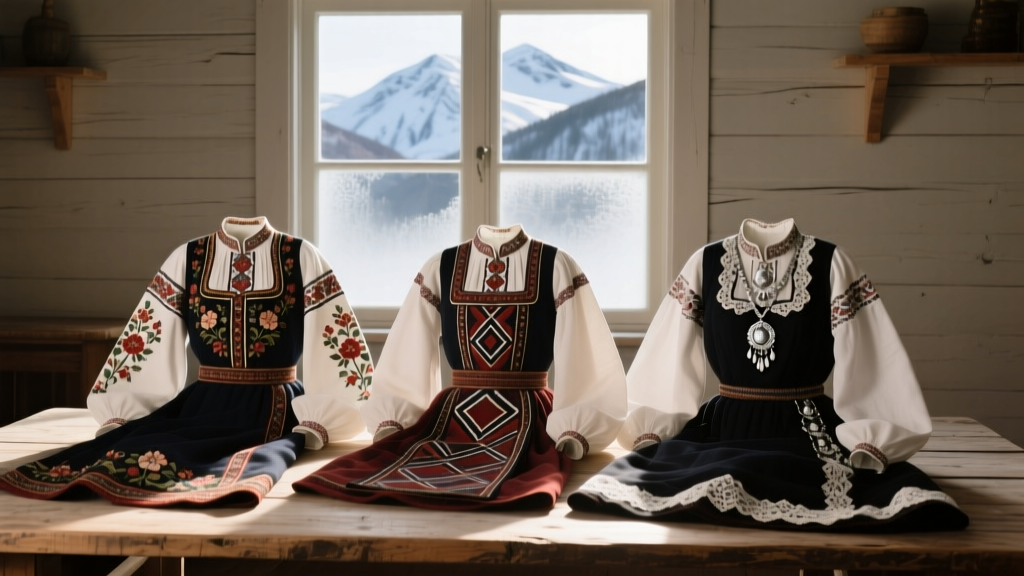
A high-quality Dirndl is not a single dress, but a modular ensemble consisting of the Mieder (bodice), Rock (skirt), Schürze (apron), and Bluse (blouse). Caring for traditional German outfits of this type requires treating each component according to its specific textile composition.
The Mieder (Bodice)
The bodice is heavily structured with interfacing and often features delicate closures like horn buttons (Hornknöpfe), silver filigree hooks (Miederhaken), or intricate chain lacing. Never wash a structured Mieder in a machine. The agitation will warp the internal boning and tarnish the silver. Spot clean the interior lining with a mild textile spray and air it out. If the outer fabric is silk or brocade, professional dry cleaning by a specialist who understands historical corsetry is mandatory (expect to pay €45–€80).
The Rock (Skirt) and Pleating
Traditional Dirndl skirts are characterized by deep, heat-set pleats (Falten). While cotton and linen skirts can be gently hand-washed in cold water (max 30°C), machine washing will destroy the pleating. To restore pleats after washing or wearing, use a specialized pleating board or pin the pleats meticulously to an ironing board. Press with a steam iron on a low-to-medium setting, using a cotton pressing cloth to prevent scorching the wool or linen fibers.
Loden and Trachtenjacken: Wool and Velvet Care
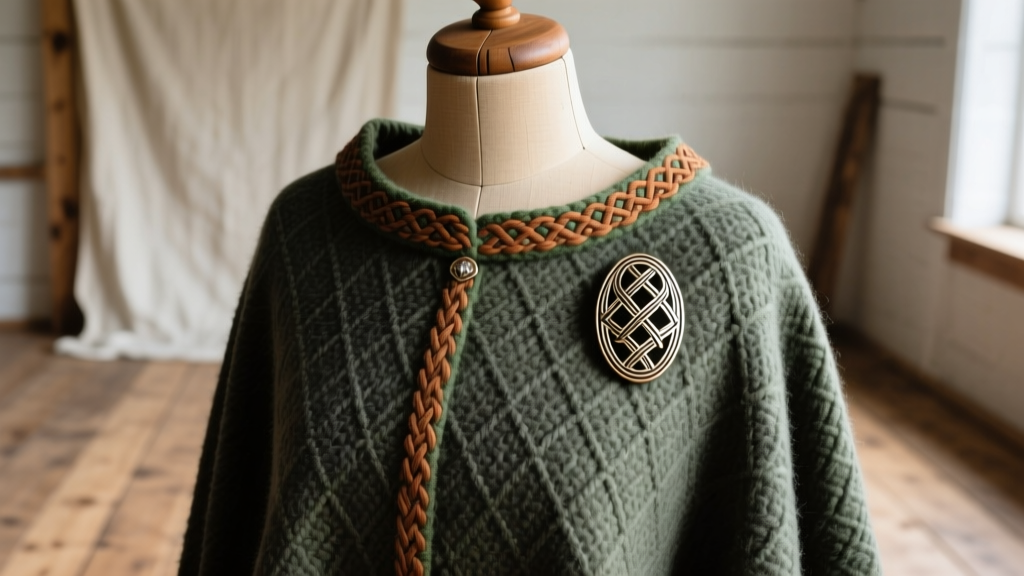
The Trachtenjanker or Lodenmantel is a staple of Alpine folk dress. Loden is a thick, water-resistant wool fabric created by milling and fulling raw sheep's wool until it shrinks into a dense, felt-like textile. Because of its natural lanolin content, Loden is inherently odor-resistant and water-repellent.
To maintain a Loden jacket, avoid frequent washing. Instead, hang the garment in a steamy bathroom to release wrinkles and neutralize odors. Use a soft-bristled clothes brush to remove surface dust and restore the nap. If the jacket features velvet cuffs or collars, protect these areas from crushing by storing the jacket on a wide, contoured wooden hanger that supports the shoulders without stretching the heavy wool.
Material Care and Cost Matrix
The following table outlines the specific care requirements and estimated professional maintenance costs for the primary materials found in authentic German outfits.
| Material / Garment | Routine Home Maintenance | Professional Care Required? | Est. Professional Cost (EUR) |
|---|---|---|---|
| Hirschleder (Deer Leather Lederhosen) | Dry brush, spot clean with Lederseife, condition with deer tallow. | Only for major structural repairs or re-dyeing by a Säckler (leatherworker). | €80 - €150 (Restoration) |
| Silk/Brocade Dirndl Mieder | Air out, spot clean lining, avoid water. | Yes, specialist dry cleaning for silk and structured garments. | €45 - €80 |
| Cotton/Linen Dirndl Rock | Hand wash cold, re-press pleats with steam. | No, unless severe staining or pleat re-setting is required. | €30 - €50 (Pleating) |
| Loden Wool (Trachtenjanker) | Steam, brush with natural bristles, air out. | Yes, specialized eco-dry cleaning every 2-3 years. | €35 - €60 |
| Silver Charivari & Filigree | Polish with microfiber, store with anti-tarnish strips. | Only for antique silver repair or re-soldering. | €40+ (Jeweler) |
Preserving Accessories: Silver, Feathers, and Horn
Accessories elevate traditional German outfits from simple clothing to regional statements of identity. However, they require distinct preservation environments.
- The Charivari: This traditional silver chain, worn across the front of Lederhosen or Dirndl bodices, often features antique coins, badger paws, or deer antler carvings. Store silver components in airtight bags with silica gel and anti-tarnish strips. Never use abrasive silver dips on antique pieces, as this removes the historical oxidation in the crevices.
- The Gamsbart: The iconic tuft of chamois hair worn on Alpine hats (Trachtenhut) is highly sensitive to humidity and moths. If the hair becomes crushed, hold it over gentle steam and carefully brush it upward with a fine-toothed comb. Store the hat in a rigid, breathable cardboard hat box.
- Horn Buttons: Genuine deer horn buttons can dry out and crack in centrally heated homes. Rub them occasionally with a drop of natural beeswax or almond oil to maintain their luster and prevent splitting.
Long-Term Storage and Moth Prevention
When the festival season ends, proper storage is critical. According to preservation guidelines referenced by institutions like the Münchner Stadtmuseum's Textile Collection, natural fibers must be allowed to breathe. Never store wool, silk, or leather in plastic dry-cleaning bags, which trap moisture and promote mold growth.
Instead, wrap your German outfits in unbleached cotton garment bags (Baumwollbeutel). To protect Loden jackets and wool Dirndl skirts from clothes moths (Kleidermotten), utilize natural deterrents such as cedarwood blocks, dried lavender sachets, or traditional Swiss stone pine (Zirbenholz) shavings. Ensure all garments are completely free of food particles or body oils before long-term storage, as these organic residues attract pests.
"A true Tracht is not bought for a single season; it is acquired for a lifetime and maintained for the next generation. The care you invest in the leather and wool is a direct reflection of your respect for the Alpine heritage."
— Archival guidelines on Trachtenpflege, Bayerischer Trachtenverband
Conclusion: Honoring the Craft
Caring for traditional German outfits requires patience and a departure from modern, convenience-driven laundry habits. By understanding the organic origins of Hirschleder, the structural complexity of the Dirndl Mieder, and the natural resilience of Loden wool, you ensure that these garments remain vibrant, wearable pieces of cultural history. For further research into the regional variations and historical contexts of Bavarian and Alpine dress, the archives of the Bayerisches Nationalmuseum offer invaluable insights into the evolution of European folk dress.