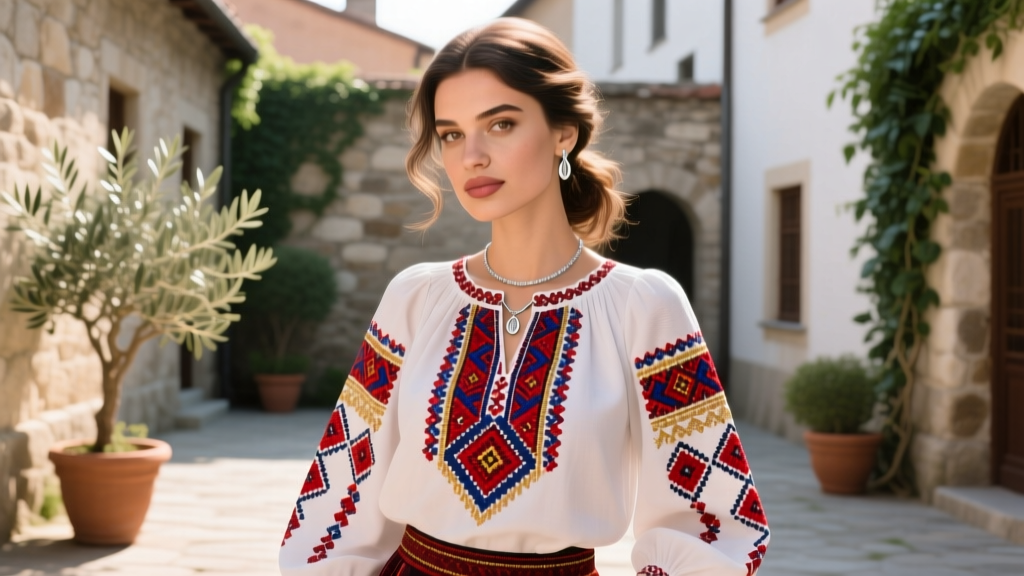
Dirndl Blouse Festival Guide 2026: Styling & Etiquette
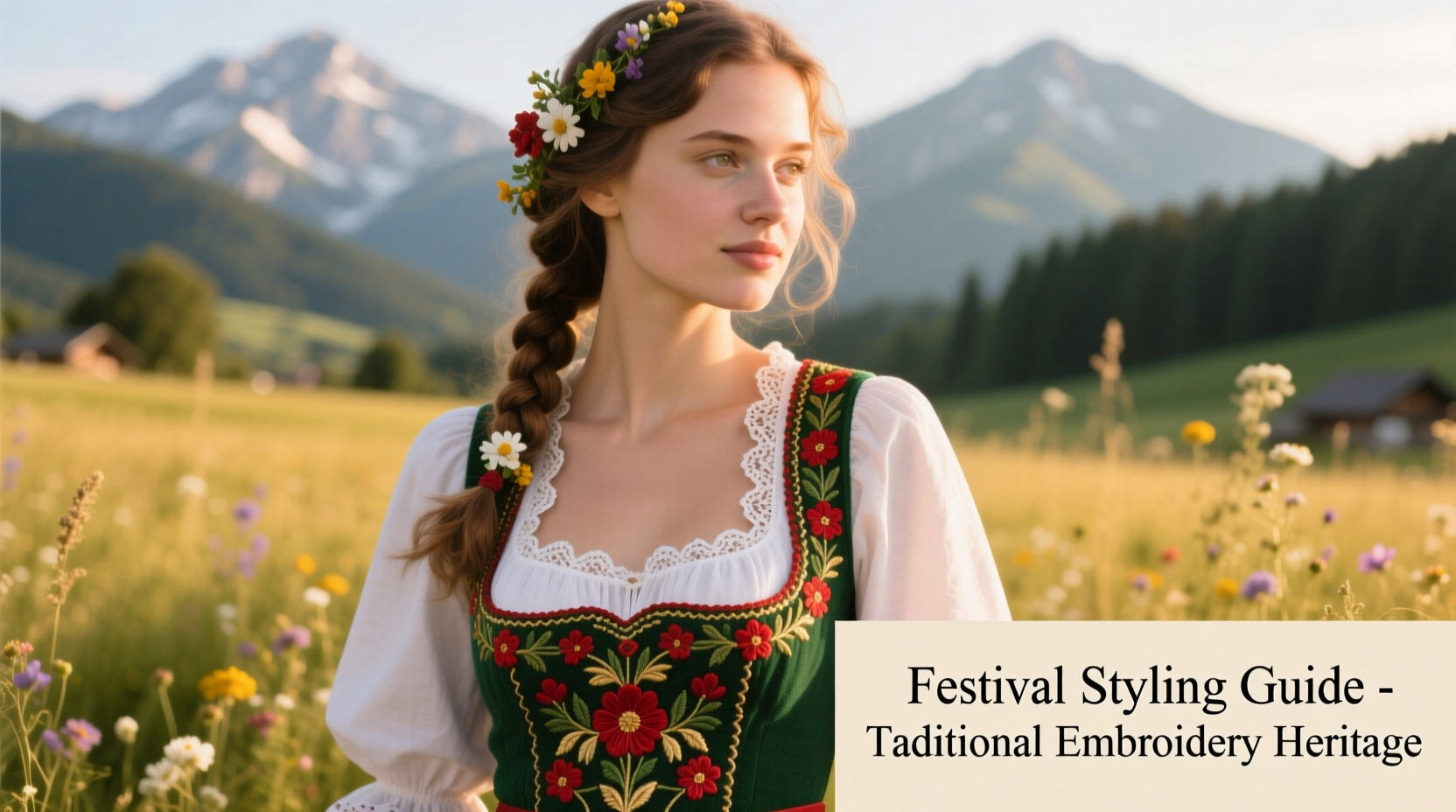
When preparing for Europe’s premier folk festivals in 2026—from Munich’s Oktoberfest and Stuttgart’s Frühlingsfest to the Alpine cattle drives (*Almabtrieb*) of Tyrol—the dress itself often steals the spotlight. Yet, the foundation of any authentic ensemble is the *Dirndlbluse*. While international shoppers often search for a 'blouse dirndl' online, the correct native terminology is *Dirndlbluse*, and understanding its nuances is the difference between wearing a mass-produced costume and honoring a living cultural tradition.
As a cornerstone of Bavarian and Austrian *Tracht* (traditional folk dress), the blouse dictates the formality, regional origin, and weather-readiness of your festival outfit. This comprehensive guide explores the construction, cultural protocols, and styling rules of the dirndl blouse for the modern festival attendee.
The Anatomy of an Authentic Dirndl Blouse
A high-quality *Dirndlbluse* is a marvel of functional tailoring, designed historically for agricultural labor and later refined for festive gatherings. Unlike standard fashion blouses, traditional pieces feature specific structural elements that ensure comfort during long days of dancing, drinking, and socializing in beer tents or alpine meadows.
The Zwickel: The Secret to Mobility
The hallmark of a master-crafted dirndl blouse is the *Zwickel*—a diamond-shaped fabric gusset inserted under the arm. According to textile archives at the Bayerisches Nationalmuseum, this historical tailoring technique allows the wearer to raise their arms (essential for dancing the *Schuhplattler* or reaching for a *Maßkrug*) without pulling the blouse out of the skirt. Fast-fashion alternatives omit the *Zwickel*, resulting in restricted movement and constant readjusting.
Decoding the Necklines
The neckline of the blouse fundamentally alters the character of the *Tracht*. The three primary silhouettes include:
- Karree-Ausschnitt (Square Neckline): The most common and versatile cut. It frames the collarbone and pairs beautifully with traditional silver or horn necklaces (*Kropfband* or *Halskette*).
- Herzausschnitt (Heart-Shaped Neckline): A slightly more romantic, festive cut that dips gently in the center. Highly popular for weddings and major autumn festivals.
- Stehkragen (Stand-Up Collar): A modest, high-necked style often adorned with delicate lace or embroidery. This is the preferred choice for church processions (*Kirchweih*), conservative rural festivals, and colder alpine events.
Festival Weather & Fabric: A 2026 Survival Guide
Alpine and Bavarian festivals are notorious for drastic temperature shifts. A sunny September afternoon in Munich can quickly turn into a biting, damp evening. Choosing the right fabric is critical for both comfort and cultural accuracy. Polyester and synthetic blends are heavily frowned upon in traditional *Trachtenvereine* (folk dress clubs) as they trap sweat and lack the historical drape of natural fibers.
Material Matrix: Cotton, Linen, and Silk
| Fabric | German Term | Festival Suitability | Price Range (EUR) |
|---|---|---|---|
| Cotton Batiste | Baumwollbatist | Excellent. Breathable, easy to wash, standard for most mid-tier authentic blouses. | €80 - €140 |
| Pure Linen | Reinleinen | Ideal for summer/early autumn. Naturally cooling, wrinkles elegantly, highly traditional. | €120 - €220 |
| Silk / Silk Blend | Seide | Reserved for high-end festive *Tracht* and silk dirndls. Requires careful dry cleaning. | €250 - €450+ |
| Lace (Cotton base) | Spitze | Highly festive. Common for Oktoberfest and bridal dirndls. Less practical for rainy weather. | €150 - €300 |
Regional Variations Across the Alps
Traditional dress is inherently regional. The blouse you wear should ideally harmonize with the origin of your dirndl dress (*Mieder* and *Rock*). The experts at the Tiroler Volkskunstmuseum emphasize that mixing distinct regional styles—such as pairing a Tyrolean everyday wool dress with a Munich-style lace blouse—creates a sartorial dissonance that locals immediately recognize.
Bavarian vs. Austrian Styling Protocols
In Upper Bavaria, particularly around Munich and the Chiemgau, festival blouses often feature short puff sleeves (*Puffärmel*) and wider square necklines, designed to showcase elaborate silver *Charivari* or coral necklaces. The aesthetic is slightly more decorative, reflecting the urbanization of the *Trachtenmode* industry in the late 19th century.
Conversely, in the Austrian Salzkammergut and Tyrolean regions, the aesthetic leans toward practicality and deep historical roots. Blouses here frequently feature three-quarter sleeves or long sleeves with subtle smocking (*Smokarbeit*) at the cuffs. The Salzburg Museum notes that rural Austrian festival attire often favors unbleached or naturally dyed linen blouses, reflecting a closer tie to agrarian traditions rather than courtly fashion.
The Golden Rules of Wearing and Tucking
The most common mistake international festival-goers make is improper layering and tucking. The etiquette of the *Dirndlbluse* is governed by strict, unwritten rules that ensure a polished silhouette.
The Anatomy of the Tuck
The dirndl blouse is never worn loose over the skirt, nor is it tucked into the bodice (*Mieder*). The correct protocol is as follows:
- Step into your skirt (*Rock*) and fasten it at your natural waist.
- Tuck the blouse neatly into the skirt's waistband. Ensure the hem is pulled down smoothly to prevent bunching at the waist.
- Lace or hook the bodice (*Mieder*) over the tucked-in blouse and skirt waistband.
- The blouse should only be visible at the neckline, the sleeves, and the small gap between the bodice and the skirt waist (if the bodice is cut low).
Pro-Tip: Many modern artisan blouses come with a *Blusenhalter*—an elasticized band sewn into the bottom hem that clips around your thighs or waist to keep the blouse perfectly anchored during vigorous dancing.
The 'Finger Rule' of Modesty
While modern commercial dirndls often push the boundaries of cleavage, traditional festival etiquette adheres to the *Zwei-Finger-Regel* (Two-Finger Rule). When wearing a square or heart neckline, the top edge of the blouse should sit no lower than two fingers' width below the collarbone. This ensures the outfit remains respectful, particularly during morning church services (*Festgottesdienst*) or family-oriented parades (*Trachtenumzug*).
Sourcing and Price Guide for Festival Attendees
Investing in an authentic blouse elevates your entire festival experience. When shopping for 2026 events, avoid synthetic 'costume' shops near festival grounds. Instead, seek out established *Trachten* boutiques or specialized online artisans.
Investment Pieces vs. Fast Trachten
A genuine cotton batiste blouse from a heritage brand (such as Ludwig & Therese, Gössl, or local Alpine tailors) will cost between €100 and €180. While this is a significant step up from the €30 polyester sets sold in tourist traps, an authentic blouse is designed to last for decades. The natural fibers breathe in crowded beer tents, the *Zwickel* prevents tearing, and the tailoring flatters the natural body without relying on rigid, uncomfortable synthetics.
For those attending high-society events like the *Oide Wiesn* (the historical section of Oktoberfest) or traditional *Schützenfeste* (marksmen festivals), consider a bespoke blouse. Artisans can tailor the sleeve length and neckline to perfectly match a vintage or hand-woven dirndl dress, ensuring your festival attire is a genuine tribute to European folk heritage.