Bavarian Dirndl: Alpine Dress Evolution

From Alpine Farm to Fashion Icon
The dirndl is a traditional dress worn in Bavaria, Austria, and parts of Switzerland. What began as practical work dress for Alpine farm women evolved into one of Europe's most recognizable folk garments, worn at festivals, weddings, and Oktoberfest.
Traditional Dirndl Ensemble
A complete dirndl has four elements: Mieder (fitted bodice), Rock (full skirt), Schurze (apron), and Bluse (blouse). The apron is the most communicative element: its bow position signals relationship status.
- Bow on left: single and available
- Bow on right: in a relationship or married
- Bow in center front: traditional (rarely used)
- Bow in center back: widow
Regional Variations
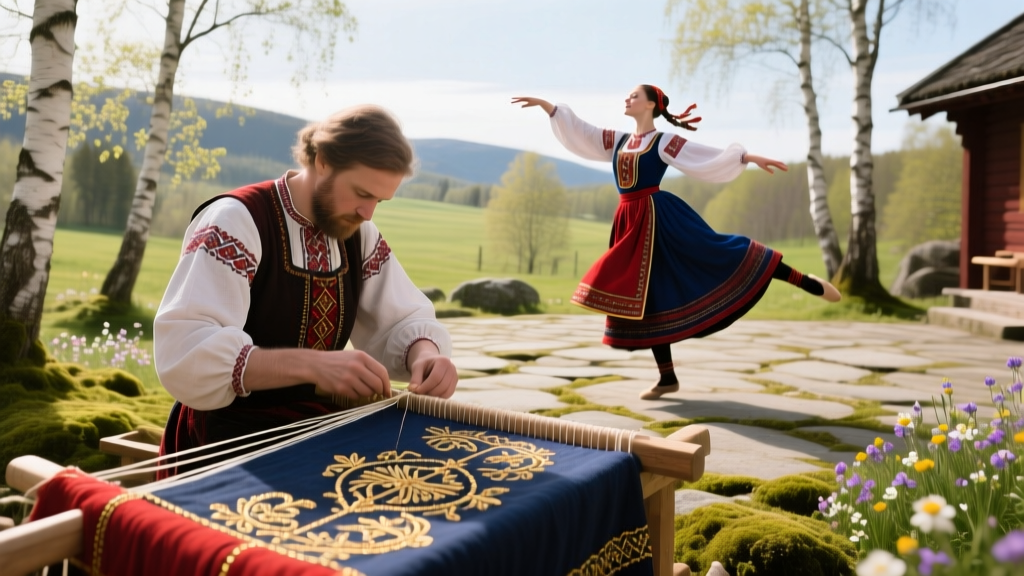
The Ausseer dirndl features distinctive pink, green, and black. The Werdenfelser uses heavier fabrics for mountain weather. Upper Austrian dirndls feature gold embroidery. Each variant reflects local materials, climate, and aesthetic traditions of Alpine valleys.
Modern Dirndl Culture
After Nazi appropriation, the dirndl fell out of favor before returning in the 1990s as regional pride rather than nationalism. High-end designers create couture versions, while the everyday dirndl remains popular among younger Austrians and Bavarians as Alpine cultural identity.