Preserving Your Bavarian Costume for Men: Trachten Care Guide
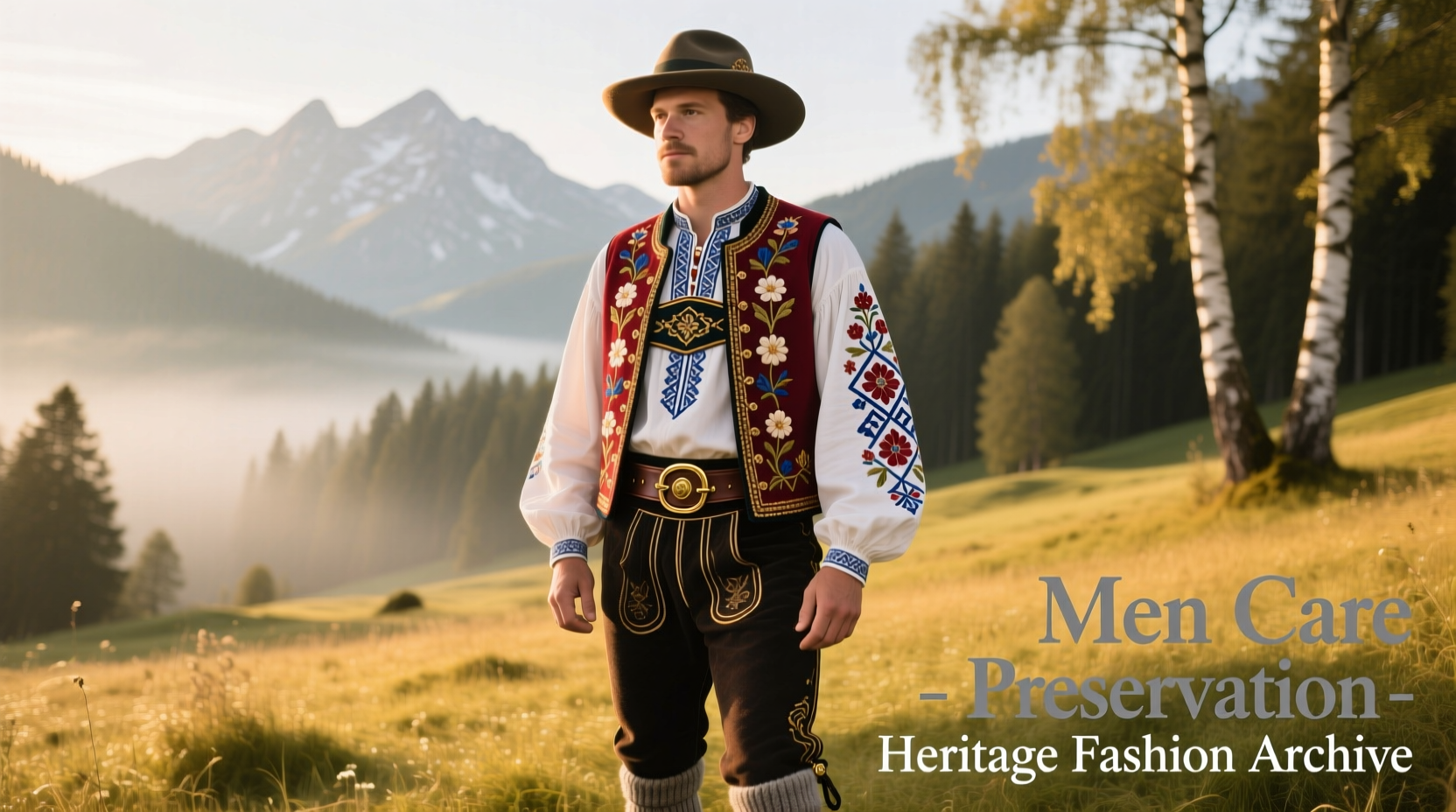
When investing in an authentic bavarian costume for men, you are not merely purchasing clothing; you are acquiring a piece of living Alpine heritage. True Tracht (traditional folk dress) is constructed from organic, highly specialized materials like oil-tanned deerskin, milled loden wool, and hand-woven linen. Unlike mass-produced festival wear, a genuine bavarian costume for men is designed to last generations, provided it receives the correct care and preservation.
This comprehensive conservator’s guide details the exact protocols for maintaining the structural integrity, historical accuracy, and aesthetic beauty of your traditional garments, drawing on guidelines from leading cultural institutions and artisan cooperatives.
The Anatomy of Authentic Trachten: Materials and Vulnerabilities
To properly care for your garments, you must first understand their composition. A complete bavarian costume for men consists of several distinct elements, each demanding a unique preservation approach:
- Lederhosen (Leather breeches): Typically crafted from Hirschleder (deerskin) or Sämischleder (chamois-tanned leather).
- Trachtenhemd (Shirt): Made from natural linen or cotton, often featuring horn buttons (Hirschhornknöpfe).
- Trachtenjacke / Weste (Jacket/Vest): Woven from Loden, a heavily milled, water-resistant sheep's wool.
- Haferlschuhe (Footwear): Traditional alpine shoes made of thick, greased leather with side lacing.
- Accessories: Including Loferl (calf warmers) and the Gamsbart (chamois hair tuft worn on the hat).
Lederhosen Maintenance: The Art of Patina and Leather Care
The centerpiece of any bavarian costume for men is the Lederhosen. Authentic pairs, which typically range from €450 to over €1,500 depending on the intricacy of the Stickerei (embroidery), are tanned using traditional Sämischgerbung (oil tanning with fish oils and animal fats). This process makes the leather incredibly soft, breathable, and durable, but highly sensitive to modern cleaning chemicals and excessive water.
Cleaning Suede and Buckskin (Hirschleder)
Never machine wash or dry clean authentic Lederhosen. The goal of wearing traditional leather breeches is to develop a Patina—a darkening and softening of the leather that maps the wearer's life and experiences. According to conservation standards at the Deutsches Ledermuseum (German Leather Museum), oil-tanned leather should only be spot-cleaned.
- Dry Brushing: After wearing, use a soft-bristled Lederbürste (leather brush) or a dry, clean sponge to gently remove surface dust and dried mud. Always brush in one direction to maintain the suede nap.
- Spot Treatment: For grease or sweat stains, use a specialized Lederseife (leather soap) formulated for suede. Apply a minimal amount with a damp cloth, working in gentle circles, and let it air dry away from direct heat.
- Moisture Management: If your Lederhosen become soaked in the rain, hang them in a well-ventilated room at room temperature. Never place them near a radiator or in direct sunlight, as rapid drying will cause the natural oils to evaporate, leading to severe cracking and shrinkage.
"In Bavarian culture, a pristine pair of Lederhosen is often viewed with suspicion. The stains, darkening, and soft creases of a well-worn pair tell the story of the man who wears them. Preservation is about protecting the leather's integrity, not erasing its history." — Archival notes from the Trachteninformationszentrum.
Storing Leather Breeches
When not in use, store your Lederhosen flat or hang them using wide, padded wooden hangers to maintain the shape of the waistband and the Latz (front drop-flap). Avoid wire hangers, which will permanently distort the leather. Keep them in a breathable cotton garment bag; never use plastic, which traps moisture and promotes mold growth.
Textile Preservation: Shirts, Loden, and Embroidery
The textiles accompanying your bavarian costume for men require equally meticulous attention, particularly regarding the preservation of natural fibers and hand-stitched embroidery.
Trachtenhemd (Linen and Cotton Shirts)
Traditional Trachtenhemden are woven from natural flax linen or heavy cotton. Linen is naturally antibacterial and becomes softer with wear. Wash these shirts inside out on a gentle cycle using a mild, pH-neutral detergent. Avoid chlorine bleach, which will degrade the natural fibers and cause the fabric to yellow over time. If your shirt features genuine Hirschhornknöpfe (deer antler horn buttons), fasten them before washing to prevent chipping, and always air dry the shirt to prevent heat-induced shrinkage.
Loden Wool Jackets and Vests
Loden is a masterpiece of Alpine textile engineering. The wool is spun, woven, and then heavily milled (shrunk and felted) to create a dense, windproof, and naturally water-repellent fabric. The natural lanolin in the wool provides its water resistance.
- Daily Care: After wearing your Trachtenjacke, brush it vigorously with a natural horsehair garment brush to remove dust and realign the fibers.
- Airing Out: Loden naturally resists odors. Instead of frequent washing, hang the jacket outside on a humid, breezy day. The moisture will naturally release trapped odors and wrinkles.
- Stain Removal: For localized stains, use a damp cloth and a specialized wool wash. Never rub aggressively, as this will cause the wool to felt and pucker.
Accessories: Haferlschuhe, Loferl, and the Gamsbart
A complete bavarian costume for men is defined by its accessories, which are often the most vulnerable to environmental degradation.
Haferlschuhe (Alpine Shoes): These thick leather shoes feature a distinctive side-lacing system and a hobnailed or heavily treaded sole. To preserve them, insert cedar shoe trees immediately after wearing to absorb moisture and maintain the toe box shape. Treat the uppers every few months with a high-quality, beeswax-based Lederfett (leather grease) to prevent the thick leather from drying out and splitting at the flex points.
Loferl (Calf Warmers): Usually knitted from heavy wool, these two-piece calf sleeves should be hand-washed in cool water with wool detergent and laid flat to dry. Hanging wet wool will cause the Loferl to stretch and lose their elasticity.
Gamsbart (Hat Tuft): The Gamsbart is a cylindrical tuft of chamois hair worn on the traditional Alpine hat (Trachtenhut). This is a highly delicate, expensive accessory (often costing €150–€400). Never wash a Gamsbart. To clean it, gently comb the hairs with a fine-toothed comb and use a soft brush to remove dust. Store the hat in a cedar-lined box to protect the hair from moth larvae, which are highly attracted to the natural animal fibers.
Seasonal Storage Framework for Trachten
Proper off-season storage is critical for preventing irreversible damage to your bavarian costume for men. Use the following matrix to prepare your garments for long-term storage:
| Garment Component | Primary Material | Pre-Storage Preparation | Ideal Storage Environment | Primary Threats to Mitigate |
|---|---|---|---|---|
| Lederhosen | Oil-tanned Deerskin | Brush dry, air out for 48 hours | Breathable cotton bag, padded hanger | Mold, plastic off-gassing, heat cracking |
| Trachtenjacke | Milled Loden Wool | Brush, air out, spot clean only | Acid-free tissue paper in cedar chest | Clothes moths, silverfish, humidity |
| Trachtenhemd | Linen / Cotton | Wash, iron slightly damp, fold | Cool, dry drawer or shelf | Yellowing, permanent crease lines |
| Haferlschuhe | Greased Bovine Leather | Clean soles, apply beeswax grease | Cedar shoe trees inserted, cloth bag | Leather rot, toe-box collapse, dry rot |
| Gamsbart | Chamois Hair | Gently comb, dust with soft brush | Acid-free box with cedar blocks | Moth larvae, crushing, humidity |
When to Seek Professional Trachten Conservation
While daily and seasonal maintenance can be performed at home, certain situations require the expertise of a professional Trachtenschneiderei (traditional tailor) or a textile conservator. Institutions like the Bayerisches Nationalmuseum (Bavarian National Museum) frequently collaborate with specialized artisans to restore historical garments, and these same techniques apply to modern heirloom pieces.
Seek professional intervention if:
- Embroidery Damage: The intricate Stickerei on the Lederhosen or vest begins to unravel. Attempting to repair hand-stitched floral motifs with modern thread will ruin the historical accuracy and visual balance of the piece.
- Leather Tearing: If the seams of the Lederhosen or the Latz begin to tear. Traditional leather garments are stitched with heavy, waxed linen thread using specialized saddle-stitching techniques that standard cobblers cannot replicate.
- Moth Infestation: If you discover active moth damage on your Loden jacket or Gamsbart. A professional can safely freeze or treat the garments to eradicate larvae without damaging the natural lanolin or delicate hair structures.
Caring for a genuine bavarian costume for men is an exercise in cultural stewardship. By respecting the organic materials and utilizing traditional preservation methods, you ensure that your Tracht remains a dignified, functional, and beautiful representation of Alpine heritage for decades to come.