Sexy Male Lederhosen: Authentic Fit & Regional Variants

When modern shoppers search for sexy male lederhosen, they are frequently funneled toward mass-produced, synthetic party costumes designed for Oktoberfest tourist traps. These garments often feature artificially short hemlines, skin-tight synthetic fabrics, and garish, culturally inaccurate embroidery. However, true sartorial appeal in Bavarian and Alpine Tracht (traditional folk dress) does not come from shock value or fetishized costume designs. Instead, the most attractive, masculine, and genuinely flattering silhouettes are achieved through authentic tailoring, premium materials, and a deep respect for regional heritage.
As a cultural garment encyclopedia, The Garment Atlas believes in elevating traditional dress. This guide will deconstruct the myth of the "costume" lederhose, explore how authentic tailoring creates a naturally commanding and attractive masculine fit, and compare the distinct regional variants of Alpine leather breeches.
The Illusion of the Costume vs. Authentic Tracht
The commercialization of Oktoberfest has birthed a global market for cheap, "sexy" party wear. These costumes are typically made from polyurethane (PU) leather or cheap suede splits. They are cut too tight in the thigh and too short in the inseam, restricting movement and lacking the structural integrity required for traditional Alpine dancing or mountain hiking.
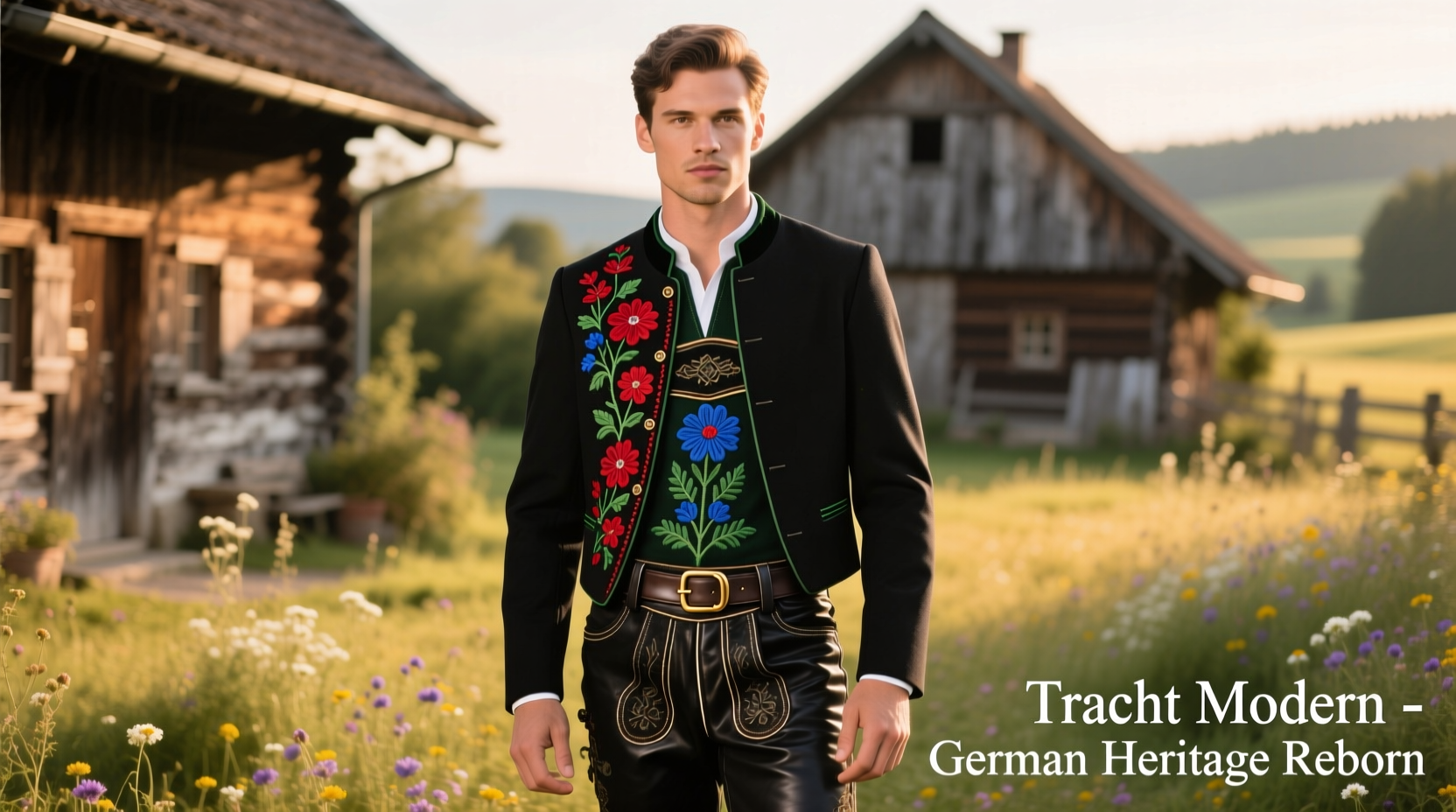
Authentic Lederhosen (plural) or Lederhose (singular) are engineered for durability, comfort, and a dignified masculine profile. According to the Bayerisches Nationalmuseum (Bavarian National Museum), historical leather breeches were workwear for hunters, foresters, and farmers, requiring robust construction. A well-fitted, authentic lederhose accentuates the male physique through structured tailoring and the natural drape of high-quality leather, offering a rugged, timeless attractiveness that synthetic costumes simply cannot replicate.
The Anatomy of a Flattering, Masculine Silhouette
To achieve a genuinely attractive fit, one must understand the traditional anatomy of the garment. The "sexy" or commanding look of authentic Tracht relies on three core elements:
1. Leather Selection and Tanning
Authentic lederhosen are crafted from Hirschleder (roe deer or red deer leather) or Ziegenleder (goat leather). Deer leather is prized for its breathability, softness, and unique ability to mold to the wearer's body over time. The traditional tanning method, Sämischgerbung (oil or brain tanning), gives the leather a velvety, matte finish that is highly water-resistant and incredibly supple. This natural stretch allows the trousers to fit snugly without looking painted on, providing a tailored, masculine contour.
2. The Latz (Drop-Flap) and Bund
The front drop-flap, or Latz, is a hallmark of Alpine leatherwork. A properly proportioned Latz sits flat against the abdomen, creating a structured, flat-front appearance that is inherently more flattering than the bunched fabric of modern zipper-fly trousers. The waistband (Bund) should sit at the natural waist, not the hips, elongating the leg line and providing a strong, V-tapered silhouette when paired with a traditional Trachtenhemd (linen shirt).
3. Stickerei (Embroidery)
Hand-stitched embroidery (Stickerei) is not merely decorative; it reinforces high-stress seams. Authentic embroidery uses thick, waxed linen or silk threads in muted, natural tones (forest green, rust, ochre). Avoid costumes with neon threads or plastic sequins, which destroy the garment's heritage aesthetic.
Regional Variants: Comparing Cuts and Silhouettes
The "perfect fit" varies dramatically depending on the Alpine region. What is considered standard in Upper Bavaria differs from the traditions of Tyrol or Styria. Understanding these regional variants is crucial for selecting a style that complements your body type and respects local customs.
| Region | Style Name | Hem Length & Fit | Primary Leather | Embroidery Motif |
|---|---|---|---|---|
| Miesbach (Upper Bavaria) | Miesbacher Kurze | Above the knee (approx. 5-8 cm). Snug thigh fit. | Hirschleder (Deer) | Floral vines, oak leaves, edelweiss. |
| Garmisch-Partenkirchen | Werdenfelser | At the knee. Straight, structured leg. | Ziegenleder (Goat) | Geometric patterns, alpine flora. |
| Aussee (Styria, Austria) | Steirer Lange | Below the knee / Calf-length. Relaxed, rugged fit. | Thick Cowhide / Deer | Minimalist, focus on horn buttons. |
| Tyrol (Austria) | Tiroler Kurze | Above the knee. Tailored, athletic cut. | Hirschleder (Deer) | Intricate hunting scenes, pine cones. |
For those seeking a modern, athletic, and undeniably attractive silhouette, the Miesbacher Kurze or Tiroler Kurze are the most popular choices. They highlight the calf and thigh, traditionally paired with Loferl (calf warmers) and rustic shoes, creating a balanced, ruggedly handsome proportion.
Tailoring for the Perfect Fit: Sizing and Stretch
A common mistake when buying authentic lederhosen is sizing up for comfort. Genuine Sämischgerbung tanned deer leather will stretch significantly—often up to a full size—after a few days of continuous wear. The District of Upper Bavaria's Tracht Advisory notes that a new pair of Hirschleder breeches should feel uncomfortably snug, almost tight, upon the first wearing. As the leather absorbs the wearer's body heat and moisture, it expands and permanently molds to the unique topography of the wearer's legs and seat.
Artisan Insight: "A master Säckler (leatherworker) does not just measure the waist and inseam. We measure the thigh circumference, the drop of the hip, and the posture of the client. Leather is a living skin; it must be cut to anticipate how it will yield to the human form." — Master Säckler, Bavarian Leatherworkers Guild.
Investment Guide: Price Tiers and Artisans
Authenticity and superior fit come at a premium. When investing in a garment that will last a lifetime (and often be passed down through generations), expect the following price tiers:
- Tourist Costumes (€30 - €90): Made from synthetic materials or cheap pigskin. Poorly cut, culturally inaccurate, and structurally flimsy. Not recommended.
- Entry-Level Authentic (€250 - €450): Machine-assisted embroidery, standard sizing, genuine but lower-grade goat or cow suede. Good for casual attendees.
- Master Säckler Bespoke (€800 - €1,800+): Hand-cut Hirschleder, traditional oil-tanning, fully hand-stitched Stickerei, and custom tailoring. This tier provides the ultimate fit, drape, and cultural legitimacy.
To verify the authenticity of a garment, look for the Echtheitszeichen (seal of authenticity) or purchase directly from recognized artisan cooperatives and heritage tailors such as Lodenfrey in Munich or regional Trachtenvereine (traditional costume clubs) approved vendors.
Cultural Etiquette: Completing the Look
An attractive, well-fitted lederhose is only half the equation. To wear Alpine Tracht with dignity and cultural respect, the accompanying garments must align with tradition:
- The Shirt: Pair your lederhosen with a Trachtenhemd (a rustic linen or checked cotton shirt) or a Pfoad (a traditional, loosely embroidered linen shirt). Avoid modern t-shirts or dress shirts.
- The Suspenders: Hosenträger are mandatory. They should be made of matching leather, often featuring a cross-piece (Quersteg) at the chest, which can be heavily embroidered.
- Footwear: The only culturally appropriate footwear is the Haferlschuh (a sturdy, side-laced Alpine shoe with a hobnailed sole) or a traditional Schnallenschuh (buckle shoe). Never wear sneakers or modern dress shoes with authentic Tracht.
- Socks: Wear Wadenwärmer (calf warmers or Loferl) with short socks, or thick, ribbed wool over-the-calf socks (Trachtenstutzen). Bare legs are generally frowned upon in formal Tracht settings.
Final Thoughts on Sartorial Authenticity
The pursuit of a "sexy" or highly attractive masculine silhouette in traditional European folk dress is best achieved not through modern costume shortcuts, but through a return to heritage tailoring. By investing in authentic Hirschleder, respecting regional proportions like the Miesbacher or Werdenfelser cuts, and allowing the leather to mold naturally to your form, you achieve a look that is rugged, deeply masculine, and culturally profound. True style in Alpine Tracht is a testament to the wearer's respect for history, craftsmanship, and the enduring legacy of the Säckler artisans.