German Tracht for Men: Traditional vs Modern
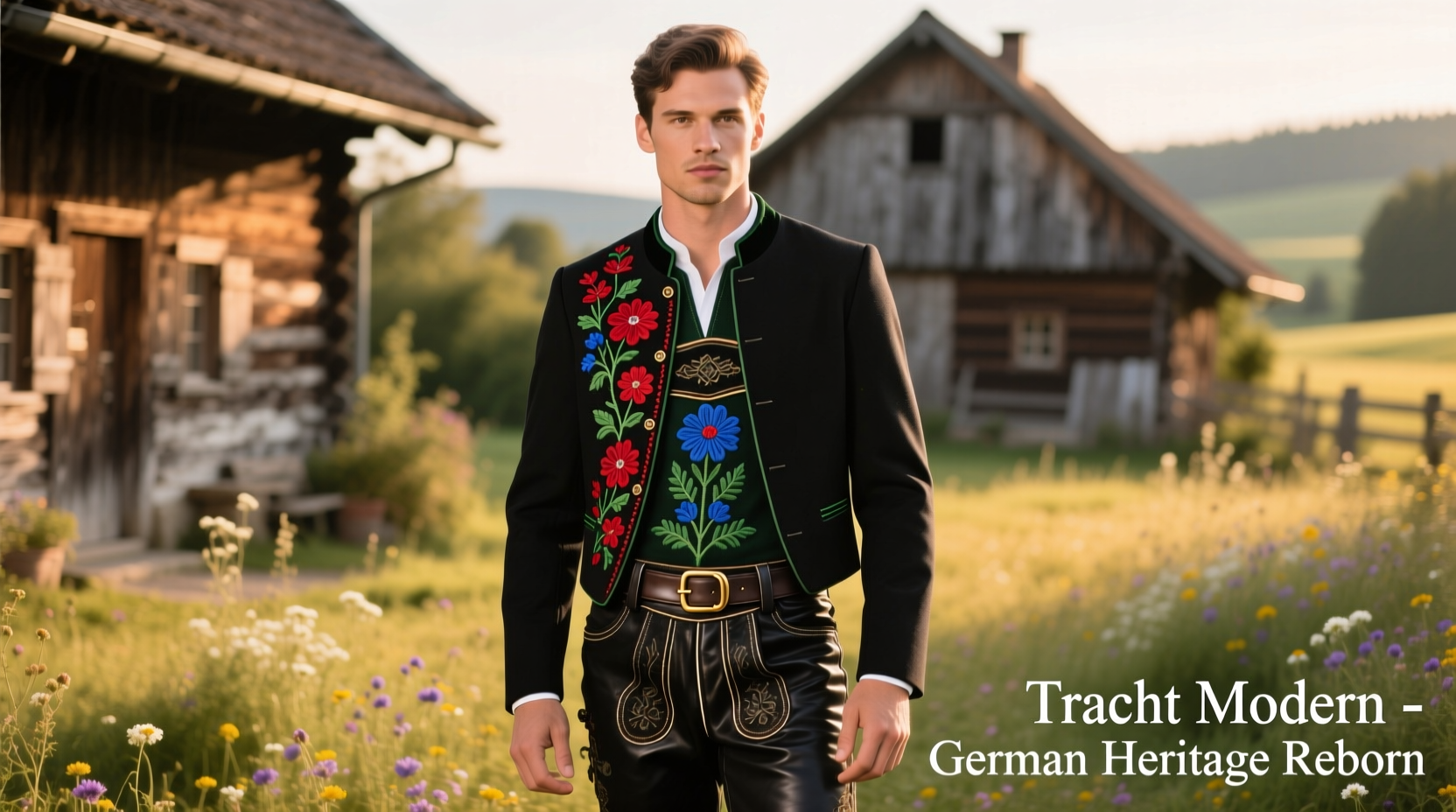
When curating the ideal german outfit for men, enthusiasts and first-time buyers alike are immediately confronted with a fascinating sartorial crossroads. On one side lies the deeply rooted, historically accurate Tracht—a living tradition of Alpine dress governed by regional codes and artisanal craftsmanship. On the other sits Trachtenmode, the commercialized, fashion-forward interpretation popularized by global Oktoberfest celebrations. Understanding the distinction between these two worlds is essential for anyone looking to wear German folk dress with cultural respect, stylistic integrity, and historical awareness.
The Dichotomy of Alpine Menswear: Tracht vs. Trachtenmode
To the untrained eye, any pair of leather breeches might look like a standard German folk costume. However, cultural institutions draw a hard line between Tracht and Trachtenmode. According to the textile archives at the Bayerisches Nationalmuseum, authentic Tracht is not a costume; it is a regional identifier. Historically, the cut, color, and embroidery of a man's garments indicated his specific village, social standing, and marital status. The romanticization of Alpine dress in the 19th century, championed by the Bavarian Wittelsbach royal family, transformed working-class hunting and farming gear into a symbol of regional pride.
Conversely, Trachtenmode (Tracht fashion) is the modern apparel industry's adaptation. It borrows the aesthetic motifs of traditional dress—such as horn buttons, suspenders, and leather embroidery—but applies contemporary tailoring, synthetic blends, and globalized manufacturing. Neither is inherently "wrong," but they serve entirely different purposes and command vastly different price points.
Deconstructing the Authentic German Outfit for Men
Building a historically accurate, traditional Tracht ensemble requires an investment in heritage craftsmanship. The cornerstone of this wardrobe is the Lederhose, but the surrounding elements are equally vital to the silhouette.
The Lederhosen: Hirschleder and Hand-Stitched Stickerei
Authentic Bavarian and Tyrolean Lederhosen are crafted from Hirschleder (roe deer leather) or Gamsleder (chamois). The leather undergoes Sämischgerbung, a traditional brain- or oil-tanning process that yields a remarkably soft, breathable, and washable hide. The defining construction detail is the Säcklernaht—a raised, piped seam stitched entirely by hand using heavy linen thread, providing structural integrity without compromising the leather's drape.
The embroidery (Stickerei) is not merely decorative; it is a regional fingerprint. A Miesbacher Tracht features distinct floral motifs and specific thread colors (often muted greens, browns, and silvers) that differ entirely from the Werdenfelser or Allgäuer patterns. Hand-embroidered bespoke pairs from master saddlers and leatherworkers in Upper Bavaria typically range from €600 to over €1,500, reflecting the dozens of hours required for the needlework.
The Upper Half: Pfoad and Lodensakko
Traditionalists pair their leather breeches with a Pfoad or Trachtenhemd—a collarless or band-collared shirt made from heavyweight, naturally bleached linen. For formal occasions or colder months, the shirt is layered under a Lodensakko. Loden is a legendary Alpine fabric: sheep's wool that is spun, woven, and then heavily milled (walked) in hot water until it shrinks into a dense, windproof, and water-resistant felt. A traditional Loden jacket in Anthrazit (anthracite) or Oliv (olive) features genuine horn buttons and a distinct stand-up collar.
The Modern Renaissance: Contemporary Trachtenmode
For men seeking a german outfit for men that bridges the gap between heritage and modern urban aesthetics, contemporary Trachtenmode offers compelling alternatives. Modern designers have recognized that today's consumers demand slimmer silhouettes and versatile styling.
In the modern sphere, Lederhosen are frequently cut shorter (above the mid-thigh) and crafted from cowhide or even heavy waxed cotton for a more accessible price point (€90–€250). The embroidery is often simplified or replaced with subtle laser-etching. Instead of the traditional linen Pfoad, modern styling frequently incorporates high-quality flannel shirts, fine-gauge merino wool turtlenecks, or even crisp Oxford button-downs. The modern Loden blazer has been reimagined with slimmer lapels, patch pockets, and unstructured shoulders, making it suitable for a Munich business dinner or a rustic autumn wedding.
Comparative Framework: Heritage vs. Commercial Apparel
When budgeting and planning your ensemble, use this comparative matrix to understand the material and structural differences between traditional and modern interpretations.
| Feature | Traditional Tracht (Heritage) | Modern Trachtenmode (Commercial) |
|---|---|---|
| Primary Material | 100% Roe Deer or Chamois (Sämisch-tanned) | Cowhide, Goatskin, or Synthetic Blends |
| Embroidery (Stickerei) | Hand-stitched, region-specific floral motifs | Machine-embroidered, generic Alpine patterns |
| Seam Construction | Hand-stitched Säcklernaht (raised piping) | Standard flat machine stitching |
| Suspenders (Hosenträger) | Matching deer leather with hand-carved horn cross-piece | Standard leather or elastic with decorative felt cross-piece |
| Price Range | €600 – €1,500+ | €90 – €280 |
| Lifespan | Generational (decades of wear) | Seasonal to 5 years |
Essential Accessories and Footwear
No german outfit for men is complete without the proper accessories, which carry immense cultural weight. The Deutsches Historisches Museum notes that accessories in Alpine dress historically functioned as both practical tools and displays of wealth.
Footwear: Haferlschuhe vs. Modern Alternatives
The undisputed king of traditional Alpine footwear is the Haferlschuh. Originating in the Allgäu region, this shoe features a distinctive side-lacing system and a studded or heavily treaded leather sole, originally designed for navigating steep, wet mountain pastures. Crafted from unlined, oiled leather, they mold perfectly to the wearer's foot over time. In modern styling, however, it has become increasingly acceptable to pair high-end Trachtenmode with minimalist white leather sneakers or suede Chelsea boots, provided the rest of the outfit maintains a refined, muted color palette.
The Hat and the Charivari
The traditional Alpine hat, often a melon-shaped wool felt or loden piece, is adorned with a Gamsbart. As documented by the Tiroler Volkskunstmuseum, a genuine Gamsbart is not a brush, but a meticulously tied bundle of chamois hair harvested from the backs of older male chamois during the autumn rut. The thicker and darker the hair, the higher the prestige and price (often exceeding €250 for a large, premium cluster).
At the waist, men may wear a Charivari—a heavy silver chain draped across the front of the Lederhosen. Historically, hunters attached small animal bones, teeth, or silver coins to the chain as hunting trophies and talismans. Today, it remains a striking piece of masculine Alpine jewelry, often passed down as a family heirloom.
Cultural Etiquette: When to Wear What
Wearing a german outfit for men requires an understanding of context. If you are attending a commercial event like the Munich Oktoberfest, a high-quality Trachtenmode ensemble is perfectly appropriate and expected. However, if you are invited to a traditional Schützenfest (marksmen's festival), a Maibaumaufstellen (Maypole raising), or a rural Alpine wedding, wearing a mass-produced, synthetic costume is considered highly disrespectful. In these settings, a genuine Tracht—or at the very least, a highly respectful, understated Loden and linen combination without the leather breeches—is the required standard.
Ultimately, whether you choose the artisanal perfection of a bespoke Hirschleder Lederhose or the sleek, contemporary lines of a modern Loden blazer, the key to mastering German menswear lies in honoring the materials, understanding the regional codes, and wearing the garments with quiet, confident respect for their Alpine origins.