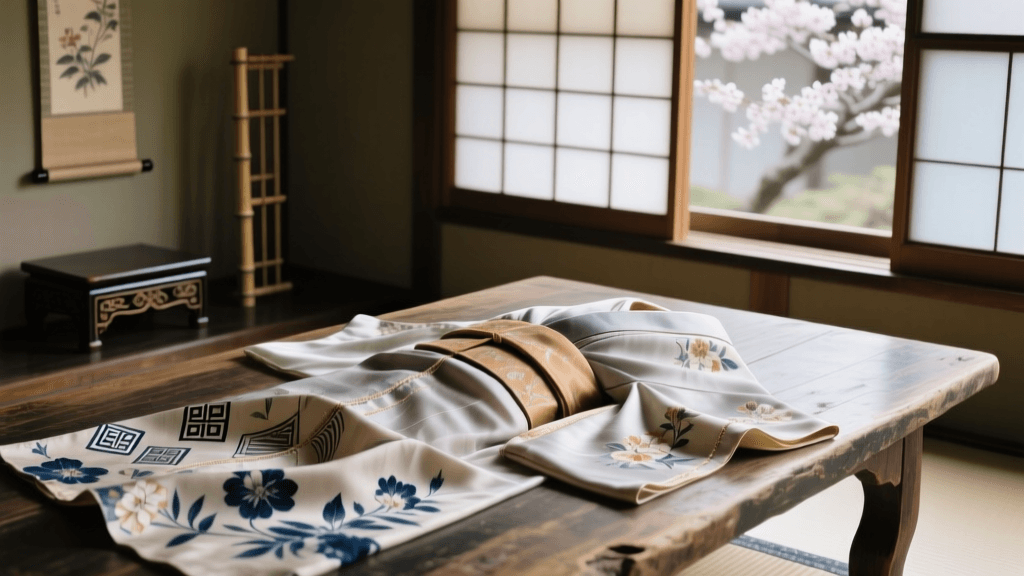
Mindful Kitsuke: Zen Kimono Dressing & Meditation Guide 2026
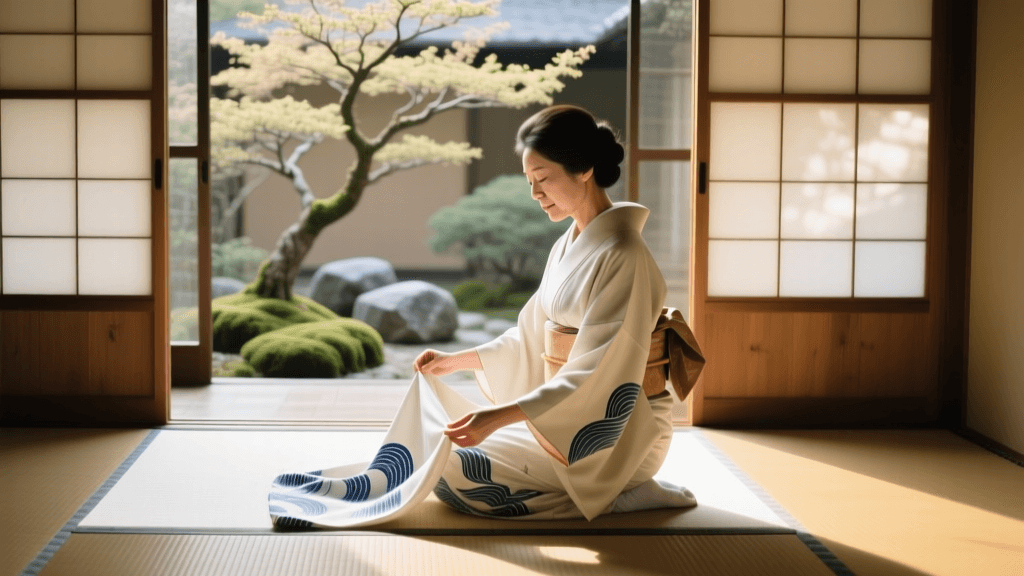
The Intersection of Zen Spirituality and the Art of Dressing
In the fast-paced, hyper-connected landscape of 2026, the global wellness community has increasingly turned to ancient somatic practices to combat digital fatigue and restore nervous system regulation. Among the most profound yet underutilized of these practices is Kitsuke—the traditional Japanese art of wearing a kimono. While often viewed in the West merely as a complex fashion ritual or a prerequisite for attending tea ceremonies, within the context of Zen Buddhism, Kitsuke is a profound form of moving meditation. When approached with intentionality, the act of wrapping, folding, and tying the kimono becomes a physical manifestation of mindfulness, grounding the practitioner in the present moment.
The concept of Ichigo Ichie (one time, one meeting) is central to this practice. It teaches that every moment is unique and will never be replicated. When you dress in a kimono mindfully, you are not just putting on clothes; you are honoring the singular experience of the current day. According to historical archives at the Metropolitan Museum of Art, the kimono's T-shaped, straight-seamed structure requires the wearer to actively participate in the creation of its silhouette. Unlike Western tailoring, which is pre-structured to the body's contours, the kimono is a flat canvas that demands the wearer's conscious movement, breath, and posture to come alive. This inherent requirement for active participation is what makes Kitsuke an ideal vehicle for Zen meditation.
Preparing the Space: Sensory Grounding Before the Silk
Mindful dressing begins long before the garment touches your skin. In 2026, leading somatic therapists recommend dedicating at least fifteen minutes to environmental preparation before engaging in traditional garment rituals. Begin by cleansing your space. Open a window to allow fresh air to circulate, or light a stick of traditional kyara or sandalwood incense to engage the olfactory senses. The scent acts as an anchor, signaling to your brain that it is time to transition from the external world to the internal sanctuary.
Stand barefoot on a natural surface, such as a tatami mat or a woven rush rug. Feel the texture beneath your feet. Engage in Susokukan, the Zen practice of breath counting. Inhale deeply through the nose for a count of four, hold for two, and exhale slowly through the mouth for a count of six. As you breathe, visualize the tension leaving your extremities and pooling into your hara (the lower abdomen), which serves as your physical and spiritual center of gravity. Only when your mind is quiet and your breath is steady should you reach for your garments.
The Step-by-Step Mindful Kitsuke Routine
Transforming your dressing routine into a meditation requires slowing down every movement. Eliminate the rush to 'get dressed' and instead focus entirely on the sensation of the fabric and the geometry of the folds.
1. The Juban (Undergarment): Establishing the Foundation
The Juban is the under-kimono that protects the outer silk and provides a collar foundation. As you slip your arms into the sleeves, pay attention to the temperature and texture of the fabric against your skin. Align the center seam perfectly with the center of your spine. This physical alignment encourages postural alignment, a critical component of Zazen (seated meditation). Wrap the left side over the right (always left over right for the living), and as you secure the first koshihimo (cotton tie), exhale fully, allowing the tie to rest snugly but comfortably against your ribs.
2. The Kimono: Wrapping the Ego
Pick up your main kimono by the center back seam. Drape it over your shoulders, letting the weight of the garment settle evenly. The silk or hemp should feel like a gentle, grounding embrace. Bring the right panel across your body, followed by the left. As you smooth the fabric over your hips, imagine you are smoothing away the anxieties, expectations, and ego-driven thoughts of the outside world. The kimono does not judge the body; it simply wraps it. Embrace this non-judgmental acceptance as you adjust the hem to sit just above your ankles.
3. The Koshihimo: Securing the Hara
The first tie at the waist is the most crucial step in Kitsuke. Take a soft, unbleached cotton koshihimo and place it against your lower abdomen. As you pull the ties to the back and cross them, engage your core. The pressure of the tie against your hara provides continuous proprioceptive feedback, reminding you to breathe deeply into your diaphragm rather than shallowly into your chest. This physical feedback loop is highly recommended by modern mindfulness coaches, echoing the grounding techniques detailed in Plum Village Mindfulness Practices.
4. The Obi: The Final Seal of Intention
The Obi is the sash that completes the silhouette. For a meditative practice, avoid overly complex, rigid brocade sashes that restrict breathing. Instead, opt for a soft, woven hakata-ori or a relaxed cotton heko-obi. As you wrap the obi around your waist, move with deliberate, flowing grace. When you tie the final knot at the back, view it as sealing your intention for the day. You are now fully encased in a garment that demands grace, posture, and presence.
Selecting Garments for Meditative Practice: A 2026 Textile Guide
The sensory experience of your kimono directly impacts your ability to remain in a meditative state. In 2026, the intersection of sustainable textile innovation and traditional weaving has produced fabrics that are not only eco-friendly but also optimized for somatic comfort. Below is a comparison of the best textile choices for mindful Kitsuke and subsequent meditation sessions.
| Fabric Type | Sensory Profile | Best Meditative Application | 2026 Sourcing Trend |
|---|---|---|---|
| Ojiya-chijimi (Crepe Hemp) | Cool, textured, slightly crisp | Summer Zazen; promotes alertness and prevents drowsiness | Revival of snow-bleaching techniques in Niigata |
| Yuuki-tsumugi (Pongee Silk) | Warm, matte, soft with a slight grip | Winter walking meditation; provides comforting, weighted warmth | Hand-spun, cruelty-free peace silk certifications |
| Organic Cotton Yukata | Breathable, soft, familiar | Beginner mindful dressing; low sensory distraction | Regenerative agriculture cotton from Kyushu farms |
| Samue (Monk's Workwear) | Lightweight, unrestrictive, durable | Kin hin (walking meditation) and temple chores | Blended with recycled botanical fibers for drape |
For practitioners focusing on deep, stationary meditation, Ojiya-chijimi hemp is unparalleled. The slight texture of the crepe weave stimulates the skin just enough to keep the mind anchored in the physical body, preventing the mental drift that often accompanies deep states of relaxation. Conversely, for those practicing Kin hin (walking meditation), a well-worn cotton Samue allows for unrestricted movement while maintaining the aesthetic and spiritual lineage of Zen monastic life.
Integrating Mindful Kitsuke into Your Daily 2026 Routine
You do not need to be a monk or a tea master to benefit from this practice. In 2026, 'slow dressing' has emerged as a powerful antidote to the throwaway culture of fast fashion. By dedicating just twenty minutes each morning to mindful Kitsuke, you create a sacred buffer between waking up and engaging with the demands of the world. This ritual trains the brain to approach tasks with patience, precision, and respect for materials.
'When you fold the kimono, you are folding your mind. When the fabric is smooth, the mind is smooth. The garment and the wearer are not two separate entities; they are one continuous breath.' — Zen Proverb on the Art of the Loom.
Start your journey by selecting a single, comfortable garment—perhaps a vintage cotton yukata or a modern, sustainably dyed linen robe. Treat the act of putting it on not as a chore, but as a ceremony. Feel the threads, honor the weavers, and let the weight of the fabric guide you into a state of profound, centered stillness. In the quiet geometry of the kimono, you will find a sanctuary of peace that travels with you wherever you go.