Authentic Oaxacan Huipiles: 2026 Buyer and Care Guide
The Enduring Legacy of the Oaxacan Huipil
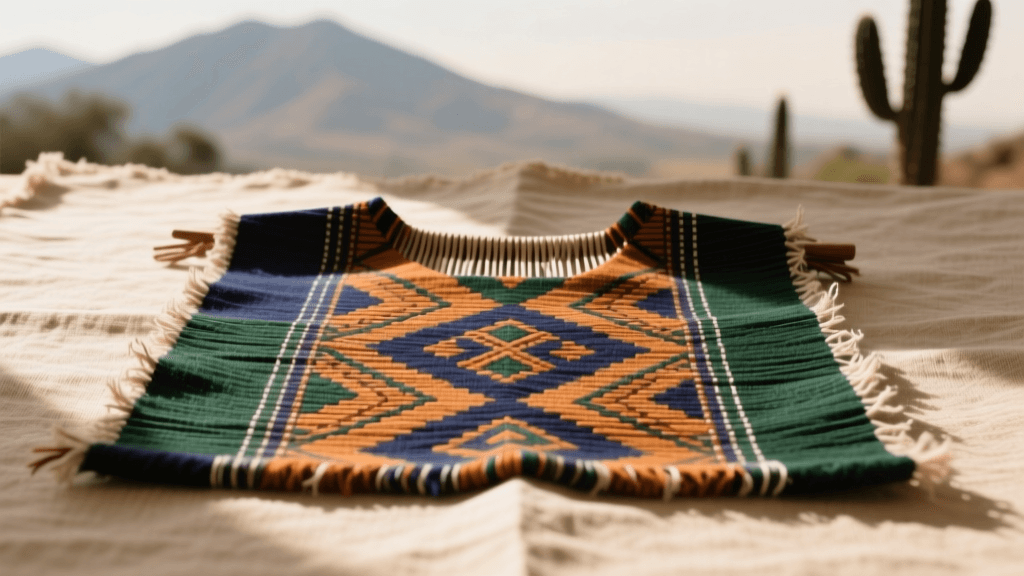
The huipil is far more than a simple garment; it is a profound expression of indigenous identity, cosmology, and ancestral memory in Mesoamerica. In the southern Mexican state of Oaxaca, the creation of these traditional tunics remains a vital cultural practice, particularly among Zapotec, Mixtec, and Chinantec communities. As we navigate the global slow-fashion movement in 2026, the demand for verifiable, ethically sourced indigenous textiles has reached unprecedented heights. While this surge in popularity brings much-needed economic opportunities to artisan cooperatives, it has also led to a market flooded with mass-produced, culturally appropriated imitations.
For collectors, cultural enthusiasts, and conscious consumers, understanding the nuances of authentic Oaxacan textile arts is essential. Purchasing a genuine, backstrap-woven huipil is an investment in a living heritage. This comprehensive 2026 guide will walk you through the anatomy of an authentic garment, current market pricing, how to identify commercial fakes, and the precise care required to preserve these masterpieces for generations.
The Anatomy of an Authentic Backstrap-Woven Huipil
The creation of a traditional Oaxacan huipil is a masterclass in patience and mathematical precision. The garment is typically woven on a telar de cintura, or backstrap loom. This ancient pre-Columbian technology consists of a series of wooden sticks and rods, with one end tied to a sturdy post or tree and the other secured around the weaver’s lower back via a leather or woven strap. The weaver’s body becomes an integral part of the loom, controlling the tension of the warp threads through subtle shifts in posture and breath.
The Three Webs (Lienzos)
A standard everyday or ceremonial huipil is rarely woven as a single piece of fabric. Instead, it is constructed from two or three narrow, identical panels known as lienzos. Because the backstrap loom can only produce fabric up to about 18 to 24 inches wide, these panels are later joined together using intricate, decorative hand-stitching known as randa. The quality and complexity of the randa are key indicators of a master weaver’s skill.
Heritage Cottons: Coyuche and Blanco
In 2026, the most highly prized huipils are woven using native, hand-spun cotton. Algodón coyuche is a rare, naturally brown cotton variety that is drought-resistant and deeply rooted in Oaxacan agricultural history. When woven alongside naturally white cotton (algodón blanco), it creates stunning, un-dyed geometric contrasts. Hand-spinning these fibers using a traditional wooden drop spindle (malacate) adds weeks to the production time but results in a textile with an unmistakable, organic texture that machine-spun threads simply cannot replicate.
The Alchemy of Natural Dyes
Authentic ceremonial huipils utilize natural dyes that require immense expertise to extract and fix. Cochineal, derived from a parasitic insect that lives on native nopal cacti, yields brilliant crimsons, purples, and deep oranges depending on the mordant used. Indigo (añil) provides rich, colorfast blues. The rarest and most expensive dye is caracol púrpura, a milky secretion harvested from the Purpura pansa sea snail on the Oaxacan coast. Indigenous Mixtec dyers harvest this secretion without harming the snail, a sustainable practice that makes genuine purple-dyed threads incredibly scarce and valuable in today's market.
2026 Pricing and Ethical Purchasing Guide
The pricing of Oaxacan huipils in 2026 reflects the intense labor, material scarcity, and the ongoing efforts of artisan cooperatives to secure living wages. When purchasing, it is vital to understand what drives the cost of these textiles. Below is a comparative breakdown of the current market landscape.
| Garment Category | Materials & Dyes | Production Time | 2026 Avg. Price (USD) |
|---|---|---|---|
| Commercial / Machine-Made | Synthetic blends, aniline dyes, machine embroidery | 1 - 3 Days | $35 - $75 |
| Semi-Traditional | Commercial cotton, mixed natural/synthetic dyes, partial hand-brocade | 2 - 4 Weeks | $150 - $280 |
| Authentic Cooperative Masterpiece | Hand-spun Coyuche/White cotton, 100% natural dyes, full backstrap brocade | 3 - 6 Months | $450 - $1,200+ |
According to data from FONART (Fondo Nacional para el Fomento de las Artesanías), the Mexican government's national craft fund, ensuring artisans receive fair compensation is critical to preventing the abandonment of traditional weaving techniques. When a huipil is priced under $100 but claims to be 'handwoven,' it is almost certainly a product of exploitation or outright deception.
How to Spot Mass-Produced Fakes
As textile tourism and online marketplaces expand, distinguishing between a genuine backstrap-woven brocade and a machine-embroidered imitation is a crucial skill for the 2026 buyer. Here is what you must inspect:
- Examine the Reverse Side: True supplementary weft brocade (the technique used to create patterns on a backstrap loom) will show the pattern on the reverse side, either as a mirror image or with neatly organized, floating threads. Machine embroidery will reveal a messy, uniform bobbin thread backing, often with stark white or black polyester stabilizers.
- Check the Selvage Edges: Handwoven panels have natural, finished edges (selvages) where the weft thread turns back. If the fabric has been cut from a large industrial bolt and the edges are serged or fraying, it is not a traditional lienzos.
- Look for Tension Variations: Because the backstrap loom is controlled by human breath and posture, authentic textiles feature microscopic, organic variations in thread tension. Machine-woven fabrics are mathematically perfect and rigidly uniform.
- The 'Burn Test' (With Permission): If a vendor allows it, burning a single stray thread can reveal the material. Hand-spun cotton smells like burning paper and turns to fine ash. Synthetic blends will melt, smell like plastic, and form a hard bead.
Caring for Your Handwoven Cotton Garment
An authentic huipil is an heirloom piece. The natural dyes and hand-spun fibers require specialized care to prevent fading, shrinking, or structural damage. Never place a handwoven Oaxacan textile in a standard washing machine or dryer.
- Hand Wash in Cold Water: Use a basin of cold water and a pH-neutral, undyed detergent (such as baby shampoo or a specialized wool/cotton wash like Eucalan). Agitating the water gently with your hands is sufficient; never scrub, twist, or wring the fabric, as this will distort the warp threads.
- Rinse and Press: Rinse thoroughly in cold water. To remove excess moisture, lay the wet garment flat on a clean, dry towel, roll the towel up like a sleeping bag, and press gently to absorb the water.
- Dry Flat in the Shade: Direct sunlight will rapidly degrade natural dyes, particularly cochineal and indigo. Lay the huipil flat on a drying rack in a well-ventilated, shaded area. Reshape the garment while it is damp to ensure the panels dry evenly.
- Storage: Store your huipil folded in a cool, dry place, ideally wrapped in acid-free tissue paper or unbleached muslin. Avoid wire hangers, which can stretch the shoulder seams and distort the intricate brocade patterns over time.
Supporting Oaxacan Artisans in 2026
The preservation of Latin American textile arts relies heavily on conscious consumerism. Institutions like the Museo Textil de Oaxaca play a pivotal role in documenting, preserving, and promoting the work of master weavers, offering educational resources that help buyers understand the profound cultural weight of these garments. When purchasing, seek out verified fair-trade organizations and artisan cooperatives that prioritize transparency, such as those certified by Nest, which ensures ethical supply chains and direct-to-artisan compensation.
By choosing to invest in authentic, backstrap-woven huipils, you are not merely buying a piece of clothing. You are actively participating in the survival of indigenous knowledge systems, supporting the economic sovereignty of Oaxacan women, and honoring a textile tradition that has woven the fabric of Mesoamerican history for over two millennia.