Yukata vs Jinbei: 2026 Japanese Summer Wear Guide
The Evolution of Japanese Summer Wardrobes in 2026
As the summer of 2026 brings vibrant energy back to Japan's streets, the air fills with the sounds of shamisen music, the crackle of fireworks, and the rhythmic clacking of wooden footwear. Summer festivals, or matsuri, are a cornerstone of Japanese culture, offering a profound connection to community, ancestry, and the changing seasons. However, navigating the intense humidity and soaring temperatures of an East Asian summer requires a wardrobe that balances deep-rooted tradition with practical comfort. For both locals and international travelers, the choice of festival attire usually narrows down to two iconic garments: the yukata and the jinbei.
While both garments share historical roots in the Edo period and are crafted primarily from breathable cotton, their cultural weight, styling requirements, and appropriate occasions differ vastly. In 2026, the intersection of heritage craftsmanship and modern textile innovation has transformed how these garments are worn, sourced, and appreciated. Whether you are preparing for a grand fireworks display in Tokyo, a neighborhood Bon Odori dance, or simply lounging at a traditional ryokan, understanding the nuances between yukata and jinbei is essential for an authentic and comfortable experience.
Understanding the Yukata: Elegance Meets Tradition
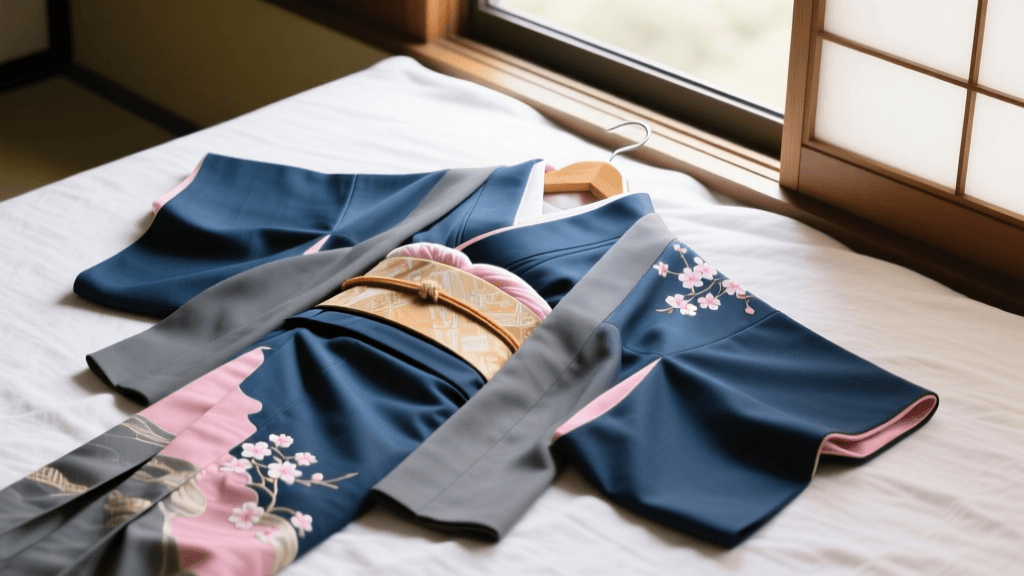
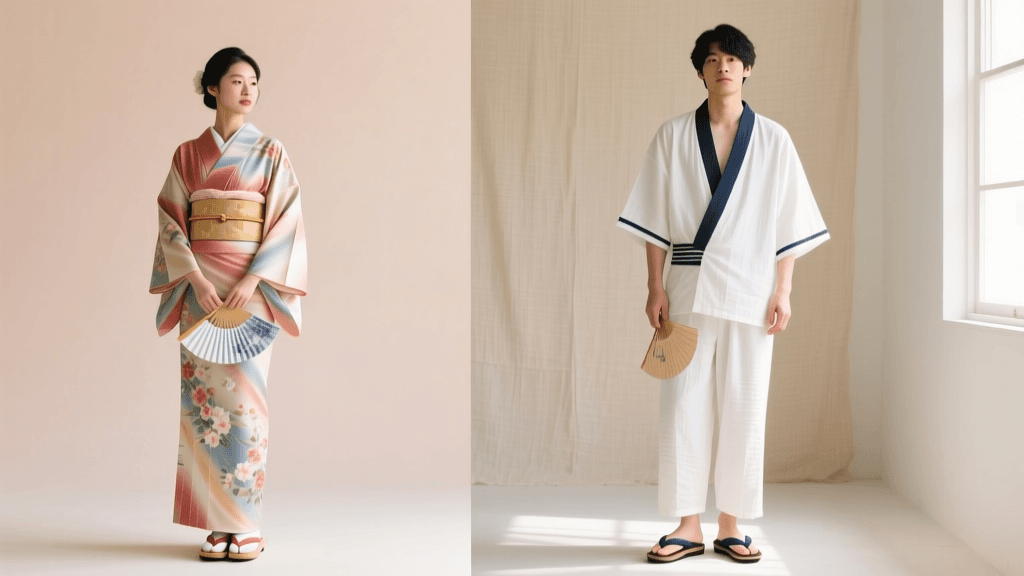
The yukata is a lightweight, unlined kimono that serves as the quintessential Japanese summer garment. Originally developed as a bathrobe for nobility during the Heian period, it was later adopted by the common public during the Edo period as everyday loungewear and festival attire. Today, the yukata occupies a unique space in the fashion hierarchy: it is significantly more casual than a silk kimono, yet far more formal and structured than modern Western summer clothing.
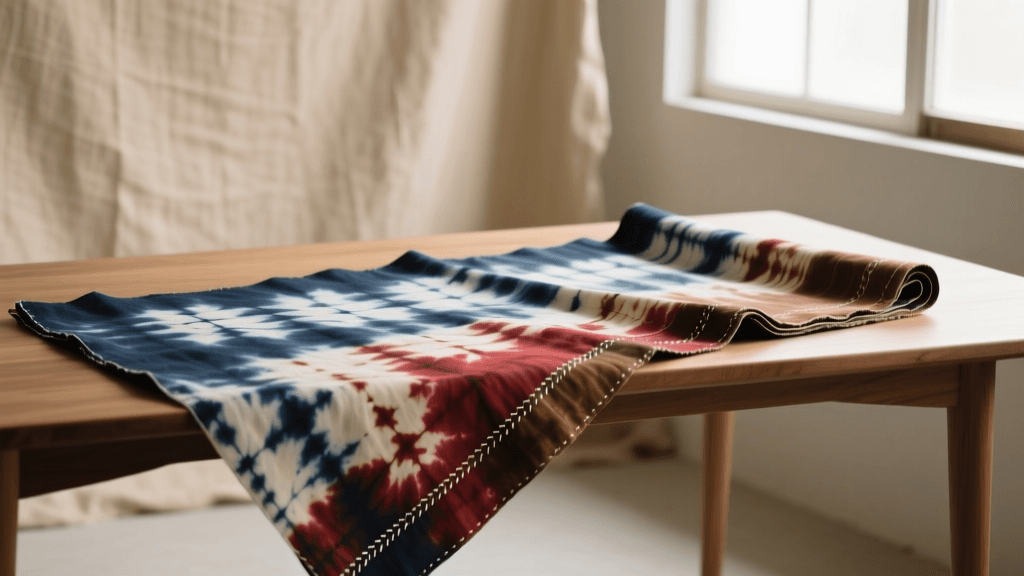
In 2026, the yukata market has seen a massive resurgence in sustainable, naturally dyed textiles. Artisans are increasingly utilizing ai-zome (traditional indigo dyeing) and kakishibu (persimmon tannin), which not only provide stunning, earth-toned aesthetics but also offer natural insect-repellent and antibacterial properties—a highly valued feature for humid summer evenings. Furthermore, modern weavers are producing ultra-thin Ro and Sha cotton-linen blends that allow for maximum airflow while maintaining the crisp drape required for proper yukata silhouette.
The Anatomy of a Yukata Outfit
Wearing a yukata is an intentional, multi-step process that requires several accessories to achieve the correct look:
- Hadajuban / Hada-gi: A lightweight cotton undergarment worn beneath the yukata to absorb sweat and protect the outer fabric.
- Koshihimo: Thin cotton ties used to secure the yukata at the waist and adjust the hemline.
- Datejime: A wider, elastic or silk sash worn over the koshihimo to keep the fabric flat and secure before the main obi is tied.
- Obi: The decorative sash. For women in 2026, pre-tied tsuke-obi and adjustable heko-obi (soft, scarf-like sashes) are incredibly popular for their ease of use. Men typically wear a simple, narrow kaku-obi.
- Geta or Zori: Traditional wooden sandals worn with bare feet or specialized toe-socks (tabi), though modern rubber-soled hybrids are common for city walking.
For a comprehensive breakdown of traditional wrapping techniques and regional folding styles, travelers often consult Japan Guide's comprehensive overview of yukata, which remains an invaluable resource for mastering the left-over-right wrapping rule—a crucial detail, as right-over-left is strictly reserved for dressing the deceased.
The Jinbei: Ultimate Comfort and Breathability
If the yukata is the elegant socialite of summer festivals, the jinbei is its relaxed, easygoing sibling. The jinbei is a two-piece garment consisting of a short-sleeved, wrap-style top and matching shorts. Like the yukata, it traces its origins to the Edo period, where it was initially worn by samurai as indoor loungewear or by artisans as lightweight workwear. The name itself is derived from a type of short, sleeveless kimono called a jinbaori.
The defining characteristic of the jinbei is its supreme comfort and lack of restrictive tailoring. The top is secured by simple fabric strings, and the shorts feature an elastic or drawstring waistband. There is no need for an obi, no complex folding, and no specialized undergarments. In 2026, the jinbei has transcended its historical boundaries; once considered strictly male or children's wear, gender-neutral and women's jinbei collections have dominated summer releases, featuring sophisticated botanical prints, minimalist geometric patterns, and high-end waffle-weave cottons that rival luxury resort wear.
Textile Innovations in Modern Jinbei
To combat the severe urban heat island effects projected by meteorological agencies for the mid-2020s, contemporary jinbei manufacturers have embraced advanced weaving techniques. Seersucker cotton, which creates a puckered surface that lifts the fabric away from the skin, is a staple for 2026 collections. Additionally, shijira-ori—a traditional slub-weave cotton from Tokushima Prefecture—has seen a massive revival due to its uneven texture that prevents the fabric from clinging to sweaty skin.
Head-to-Head Comparison Chart
Choosing between a yukata and a jinbei depends heavily on your itinerary, the specific event you are attending, and your personal tolerance for heat and complex dressing. The table below outlines the core differences for the 2026 summer season.
| Feature | Yukata | Jinbei |
|---|---|---|
| Formality | Semi-Casual to Smart-Casual | Highly Casual / Loungewear |
| Garment Structure | One-piece wrap robe (T-shaped) | Two-piece (top and shorts) |
| Dressing Time | 15-30 minutes (requires obi tying) | 2-3 minutes (tie strings) |
| Heat Tolerance | Moderate (covers legs, traps some heat) | Excellent (exposes legs, high ventilation) |
| Best Occasions | Hanabi (fireworks), grand Matsuri, Ryokan | Home, neighborhood Bon Odori, casual strolls |
| 2026 Avg Price | ¥5,000 - ¥30,000 ($35 - $210 USD) | ¥3,000 - ¥12,000 ($20 - $85 USD) |
| Footwear Pairing | Geta or Zori (wooden/woven sandals) | Any casual sandal, sneakers, or bare feet |
Navigating the 2026 Summer Heatwave
Climate adaptation is a major theme in Asian traditional fashion this decade. With summer temperatures in cities like Kyoto and Tokyo frequently exceeding 35°C (95°F) alongside oppressive humidity, heatstroke prevention is a genuine concern for festival-goers. When attending massive, crowded events, the jinbei is the undisputed champion of thermoregulation. The exposed legs and loose, untucked top allow for a continuous cross-breeze, making it the preferred choice for active participation in Bon Odori dances, where participants circle a central yagura (wooden scaffold) for hours.
Conversely, the yukata offers superior sun protection during late afternoon parades and provides a layer of insulation against the aggressive air conditioning found in modern festival venues, trains, and department stores. For those committed to wearing a yukata in peak heat, 2026 styling trends heavily favor the use of cooling mesh datejime and the strategic placement of reusable ice packs within the obi knot to lower core body temperature.
Styling and Accessories for the Modern Era
No traditional outfit is complete without its accompanying accessories. The styling rules for yukata and jinbei reflect their differing levels of formality.
Yukata Accessories
- Kinchaku: A small, drawstring pouch made of cotton or rattan. In 2026, upcycled kimono fabric kinchaku are highly sought after by eco-conscious fashion enthusiasts.
- Uchiwa or Sensu: The rigid, round uchiwa fan is a staple for summer festivals, often featuring hand-painted ukiyo-e motifs or modern anime collaborations. The folding sensu is easier to slip into an obi.
- Kanzashi: Floral or glass hair ornaments worn by women to elevate the yukata from simple bathrobe to festival-ready elegance.
Jinbei Accessories
Jinbei styling embraces minimalism. Because the garment itself is inherently casual, over-accessorizing can look disjointed. A simple woven tote bag, a pair of modern leather slide sandals, and perhaps a tenugui (thin cotton towel) draped over the shoulder for wiping sweat are all you need. In recent years, pairing high-end, muted-color jinbei with sleek, minimalist sneakers has become a popular street-style look in Tokyo's Shimokitazawa and Daikanyama districts.
Occasion Guide: Where to Wear What
Understanding the social context of your destination is vital. According to the Japan National Tourism Organization's festival directory, Japan hosts hundreds of thousands of local and national festivals annually, each with its own unwritten dress code.
- Major Fireworks Festivals (Hanabi Taikai): Yukata. Events like the Sumidagawa or Nagaoka fireworks are highly social, romantic, and photogenic. The sweeping silhouette of a yukata is the cultural standard for these evenings.
- Neighborhood Bon Odori: Jinbei or Yukata. These community dances are participatory and energetic. Jinbei is incredibly common here, especially among men, children, and older residents who prioritize freedom of movement.
- Ryokan (Traditional Inn) Stays: Yukata. Ryokans almost exclusively provide yukata for guests to wear as loungewear, pajamas, and casual streetwear within the immediate hot-spring town vicinity. Wearing a jinbei provided by the inn outside the immediate town limits is sometimes frowned upon.
- Shrine Visits (Omamairi): Yukata. While neither garment is considered formal shrine-wear (like a silk homongi), a yukata is respectful enough for casual summer shrine visits. Jinbei is generally considered too casual for sacred grounds unless you are simply passing through a local neighborhood shrine.
Sourcing Authentic Garments in 2026
For international visitors and global fashion enthusiasts looking to procure their own summer wardrobe, the avenues for purchasing authentic Japanese garments have expanded beautifully. In Kyoto, historic textile districts like Nishijin have opened boutique showrooms dedicated entirely to modern, breathable summer wear, offering custom-fitting services that bridge the gap between ancient tailoring and contemporary body types.
Online, sustainable Japanese fashion platforms have made it easier than ever to ship artisan-crafted jinbei and yukata globally. When shopping, look for certifications indicating the use of organic Japanese cotton or traditional natural dyes, which support rural artisan communities and reduce the environmental footprint of your wardrobe. Whether you choose the sweeping elegance of the yukata or the breezy practicality of the jinbei, embracing these garments is a beautiful way to participate in the living, breathing tapestry of Asian summer traditions.