Mormon Garments for Women: 2026 Fit & Style Guide
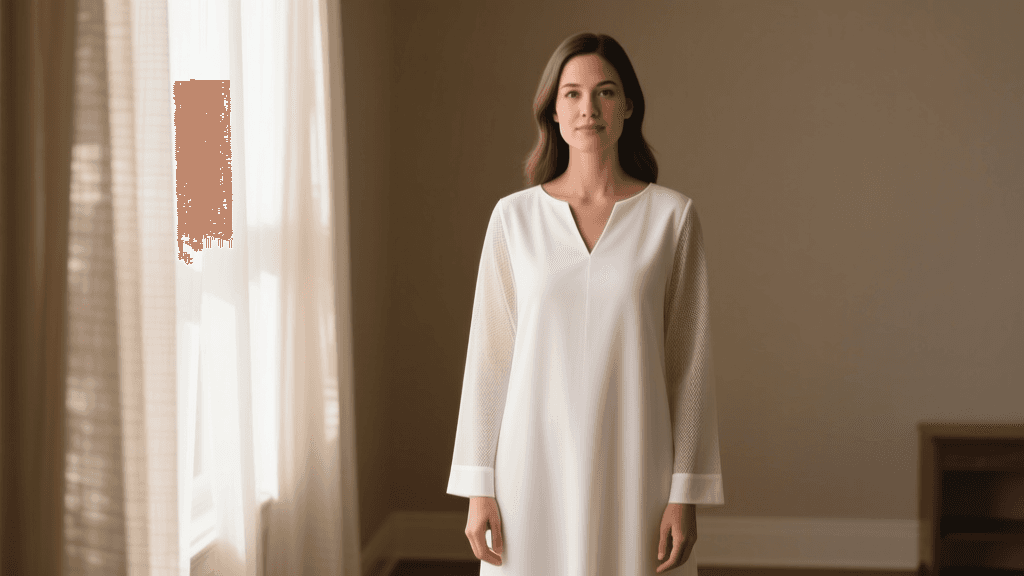
Navigating Women's LDS Garment Styles in 2026
For women of The Church of Jesus Christ of Latter-day Saints, the temple garment is a deeply sacred article of clothing that serves as a daily reminder of covenants made in the temple. Over the decades, the design, fabric, and fit of these garments have evolved significantly to accommodate modern lifestyles, diverse climates, and varying wardrobe needs. As we move through 2026, the options available to women are more versatile and comfortable than ever before. Whether you are preparing to receive your endowment for the first time or are a lifelong wearer looking to update your wardrobe, understanding the current fit styles, fabric technologies, and sizing guidelines is essential for daily comfort and modesty.
This comprehensive 2026 guide explores the nuances of women's Mormon garments, breaking down the available materials, neckline and sleeve variations, and actionable fitting advice to help you make informed purchasing decisions through the Church's official distribution channels.
The Sacred Purpose and Modern Evolution
Before diving into the practicalities of fit and fabric, it is important to ground our understanding in the spiritual significance of the garment. According to the Gospel Topics essay on Temple Garments, the garment 'provides a constant reminder of covenants made in the temple' and serves as a 'symbolic and sacred article of clothing.' While the spiritual marks and the sacred nature of the garment remain unchanged, the physical construction has adapted to the needs of modern women.
In 2026, the Church's manufacturing partners utilize advanced textile engineering to ensure that garments are not only modest but also breathable, durable, and adaptable to a wide range of outerwear. The days of one-size-fits-all, heavy cotton undergarments are long gone, replaced by a sophisticated array of tailored options designed for active professionals, mothers, athletes, and those living in extreme climates.
2026 Fabric Options: Comfort Meets Durability
Choosing the right fabric is arguably the most critical factor in garment comfort. In 2026, the official Church store offers several distinct fabric blends for women's tops and bottoms, each engineered for specific environmental and lifestyle needs.
| Fabric Type | Composition | Best For | Climate Suitability | Durability |
|---|---|---|---|---|
| Stretch Cotton | 95% Cotton, 5% Spandex | Everyday wear, form-fitting clothes | Temperate to Warm | High |
| Modesty Mesh | 100% Polyester Micro-Mesh | Hot climates, athletic wear | Hot / Humid | Very High |
| Cotton/Poly Blend | 60% Cotton, 40% Polyester | Traditional fit, budget-conscious | Temperate | Medium-High |
| Nylon/Spandex | 90% Nylon, 10% Spandex | Seamless look, evening wear | Cool to Temperate | High |
Stretch Cotton: The Everyday Standard
Stretch cotton remains the most popular choice for women in 2026 due to its exceptional balance of natural breathability and structural memory. The addition of 5% spandex allows the garment to move with the body, preventing the fabric from bunching or riding up throughout the day. It is ideal for women who wear tailored clothing, jeans, or professional attire, as it provides a smooth silhouette without adding bulk.
Modesty Mesh: The Solution for Heat and Activity
For women living in tropical climates, the American South, or those with highly active lifestyles, modesty mesh is a revolutionary option. This lightweight, moisture-wicking polyester micro-mesh dries incredibly fast and allows for maximum airflow. While it lacks the soft, traditional feel of cotton, its performance benefits in high-heat scenarios are unmatched. In 2026, the mesh weave has been refined to be softer against the skin while maintaining its structural integrity wash after wash.
Cotton/Polyester Blends and Nylon Options
The traditional cotton/poly blend offers a slightly crisper feel and is highly resistant to shrinking, making it a reliable, cost-effective option. Conversely, the newer nylon/spandex blends introduced over the last few years have become a staple for women wearing formal or delicate evening wear, as the synthetic fibers offer a sleek, nearly frictionless layer beneath silk or satin garments.
Choosing the Right Neckline and Sleeve
The beauty of the modern garment system lies in its modularity. Women can mix and match necklines and sleeve lengths to accommodate their daily wardrobe without compromising the sacred requirements of the garment.
Neckline Variations
- Round Neck (Crew): The most traditional and modest option. It sits higher on the collarbone and is perfect for wearing under t-shirts, blouses with high necklines, or modest sweaters.
- V-Neck: Designed to remain hidden under open-collared shirts, wrap dresses, and lower-cut blouses. The 2026 V-neck cut is carefully calibrated to provide adequate coverage while remaining invisible under standard women's apparel.
- Scoop Neck: A middle-ground option that offers a slightly wider and lower cut than the round neck, ideal for casual wear and wider boat-neck tops.
Sleeve Lengths
- Cap Sleeve: The most versatile and popular sleeve length. It covers the shoulder and the uppermost part of the arm, satisfying the requirement for shoulder coverage while remaining completely hidden under short-sleeved and sleeveless tops (provided the outerwear strap is wide enough).
- Short Sleeve: Extends further down the bicep. This is preferred by women who wear looser short-sleeved shirts or those who desire additional coverage and protection from sun or chafing.
- Sleeveless (Tank): While available for specific medical or extreme-heat accommodations, sleeveless options are generally less common and require careful pairing with outerwear to ensure the shoulder and armpit areas remain fully covered according to Church guidelines.
Mastering the Fit: Sizing and Measurements
A properly fitted garment should feel snug but never restrictive. It should lay flat against the skin without gaping, yet allow for full range of motion. In 2026, the Church's sizing charts have been updated to reflect more inclusive and accurate body measurements.
How to Measure for Garments
To ensure the best fit when ordering online, use a soft measuring tape and follow these steps:
- Bust: Measure around the fullest part of your chest, keeping the tape level across your back.
- Waist: Measure around your natural waistline, typically the narrowest part of your torso.
- Hips: Measure around the fullest part of your hips and buttocks. This is especially crucial for ordering garment bottoms to ensure they do not bind at the thighs.
Pro Tip for 2026: If your measurements fall between two sizes, it is generally recommended to size up for woven cotton blends (which may experience slight shrinkage) and size down for stretch cotton and nylon blends (which are designed for a compressive, form-fitting feel).
Specialized Fit Scenarios
Maternity Garments
Pregnancy brings unique physical changes, and the garment should adapt to a growing body. The Church offers specialized maternity panels and stretch-waist bottoms designed to accommodate a growing belly without rolling down or causing discomfort. Many women in their second and third trimesters transition to stretch cotton tops sized one or two sizes up to accommodate bust and ribcage expansion, pairing them with dedicated maternity garment bottoms.
Active and Athletic Lifestyles
For women who run, hike, or participate in high-intensity workouts, chafing and moisture management are primary concerns. In 2026, pairing a modesty mesh top with stretch-cotton or nylon boy-short style bottoms provides the ultimate athletic setup. The mesh wicks sweat away from the core, while the boy-short bottoms prevent thigh chafing during repetitive movements.
Purchasing and Care Guidelines for 2026
Purchasing garments is restricted to endowed members of the Church and is facilitated through the official Temple Clothing and Garments portal or physical distribution centers located near temples worldwide. In 2026, the online ordering system features improved inventory tracking, allowing members to see real-time stock levels for specific sizes and fabrics, significantly reducing backorder wait times.
Pricing in 2026 remains heavily subsidized by the Church to ensure accessibility, with individual tops and bottoms generally ranging from $11.00 to $16.00 USD, depending on the complexity of the fabric and style.
Washing and Drying Best Practices
To maximize the lifespan of your garments, proper care is essential. Treat garments with respect, washing them separately from heavily soiled outerwear if possible.
- Washing: Use cold or warm water with a mild detergent. Avoid chlorine bleach entirely, as it degrades the spandex fibers in stretch cotton and weakens the structural integrity of the sacred marks.
- Drying: Tumble dry on low heat or air dry. High heat is the enemy of elastane and spandex; it will cause the stretch fibers to snap, resulting in a garment that loses its shape and becomes baggy.
- Storage: Fold garments neatly in a dedicated drawer. Avoid hanging them by the shoulders for long periods, as this can stretch out the neckline and alter the fit.
Conclusion
The landscape of women's LDS temple garments in 2026 reflects a beautiful intersection of sacred tradition and modern textile innovation. By understanding the unique properties of stretch cotton, modesty mesh, and synthetic blends, and by carefully selecting necklines and sleeve lengths that complement your personal wardrobe, you can ensure that your garments remain a comfortable, unobtrusive, and deeply meaningful part of your daily life. Whether you are navigating maternity, an active lifestyle, or professional dress codes, the current array of options ensures that every woman can find a fit that honors her covenants while supporting her everyday journey.