Mastering Kimono Layering: Essential Undergarments Guide
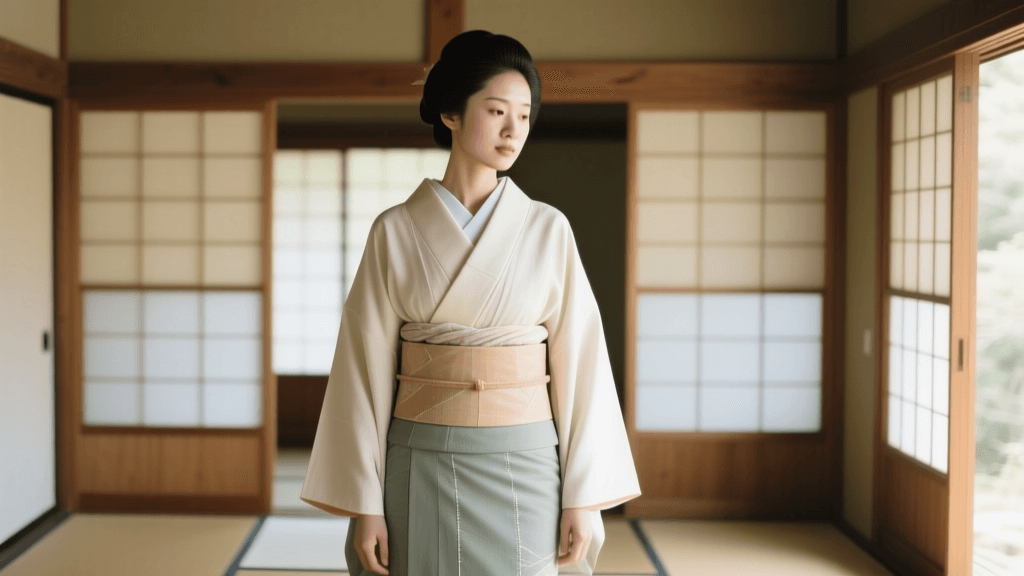
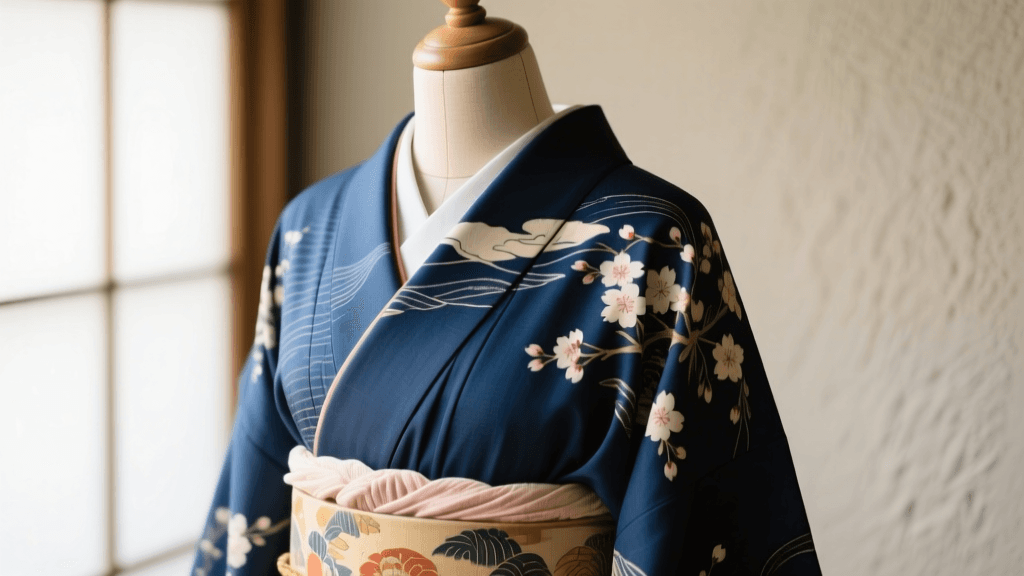
The art of wearing a kimono, known as kitsuke, is often admired for the breathtaking beauty of the outer silk garment. However, the true secret to a flawless kimono silhouette lies entirely beneath the surface. Kimono undergarments and the precise layering system are the unsung heroes of traditional Japanese dress. They protect delicate textiles, absorb moisture, and most importantly, sculpt the body into the ideal cylindrical form required for the outer layers to drape correctly.
In this comprehensive guide, we will explore the foundational layers of the kimono, detailing the specific garments, their purposes, and practical advice for assembling your own layering system.
The Foundation of the Kimono: Why Layering Matters
Unlike Western fashion, which often tailors clothing to accentuate the natural curves of the body, traditional Japanese aesthetics favor a smooth, tubular silhouette known as naoshin. This shape allows the continuous, unbroken lines of the kimono's pattern to flow elegantly from shoulder to hem. Achieving this shape requires a strategic layering of undergarments that flatten the bust, fill the hollow of the lower back, and provide a slip-resistant base for the heavy outer silk.
Furthermore, layering serves a vital preservation function. High-quality silk kimono are notoriously difficult to clean and are rarely washed. A robust undergarment system acts as a barrier, absorbing sweat and body oils to ensure the outer garment remains pristine for generations. According to the Victoria and Albert Museum, the evolution of the kimono from the multi-layered extravagance of the Heian court to the streamlined Edo-period style still heavily relied on these hidden structural layers to maintain modesty and form.
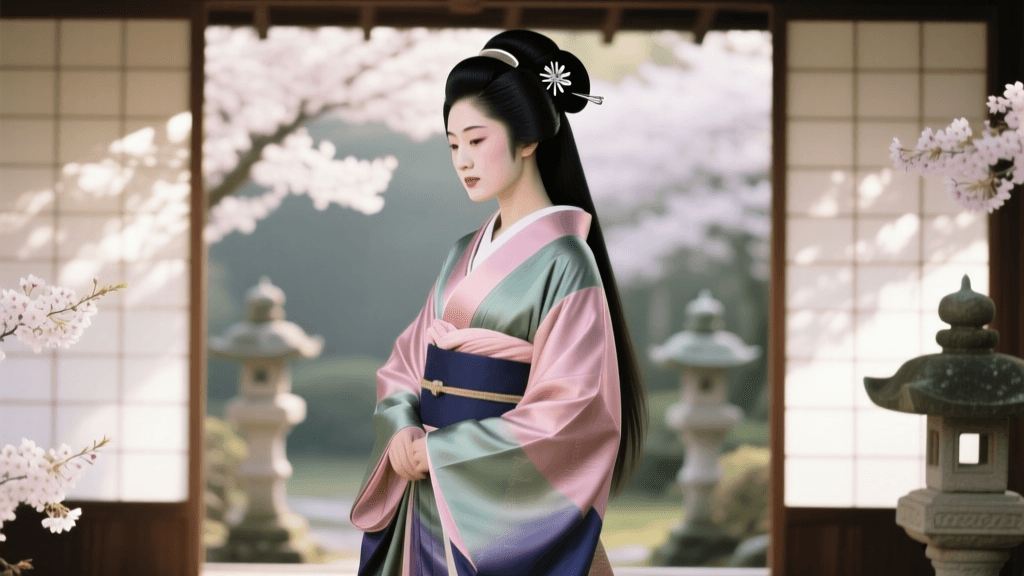
Historically, the Heian period (794–1185) saw the zenith of kimono layering with the jūnihitoe, a twelve-layered ensemble worn by court ladies where the subtle color combinations peeking out at the cuffs and hems conveyed deep seasonal and poetic meanings. While modern kimono layering is vastly simplified compared to the Heian court, the underlying philosophy remains: the unseen layers dictate the beauty and function of the seen.
Essential Kimono Undergarments Breakdown
Hadajuban (The Skin Layer)
The hadajuban is the innermost layer, worn directly against the skin. It is typically a lightweight, short-sleeved wrap top made of breathable cotton, linen, or a cotton-blend.
- Purpose: To absorb sweat and protect the layers above from skin oils.
- Practical Details: It must always be wrapped left over right. Wrapping right over left is strictly reserved for dressing the deceased for burial.
- Cost & Care: A standard cotton hadajuban costs between ¥2,000 and ¥4,000 ($15–$30 USD). They are machine washable and should be laundered after every wear.
Susoyoke (The Wrap Skirt)
Worn over the lower half of the body, the susoyoke is a wrap skirt that ties at the waist.
- Purpose: It prevents the outer kimono from clinging to the legs when walking and provides a smooth surface for the outer garment to glide over. It also adds a layer of warmth and modesty.
- Material: Usually made of cotton, silk crepe (chirimen), or modern synthetic blends like polyester. Silk susoyoke are preferred for formal wear as they reduce static and friction.
- Alternative: For festivals or highly active movement, some women wear momohiki (traditional fitted pants) instead, though this is less common for formal kimono dressing.
Nagajuban (The Inner Kimono)
The nagajuban is the most complex and visible of the undergarments. While mostly hidden, its collar (eri) peeks out just beneath the chin, and its hem may occasionally flash when walking.
- The Han-eri (Detachable Collar): This is a crucial component. The han-eri is a piece of fabric basted onto the nagajuban's collar. Because the neck area is prone to sweat and makeup transfer, the han-eri can be easily removed and washed. It also serves as a subtle canvas for personal expression, often featuring intricate embroidery or seasonal motifs.
- Formal vs. Casual: For formal events such as weddings or tea ceremonies, the nagajuban is typically made of high-quality silk crepe, which provides a slight grip to prevent the smooth outer silk from slipping. The sleeves must also be carefully matched; a furisode (long-sleeved kimono) requires a nagajuban with correspondingly long sleeves to ensure the inner layers do not awkwardly bunch up inside the outer armholes.
- Cost: A casual polyester nagajuban with a basic han-eri might cost around ¥5,000 ($35 USD), while a formal silk nagajuban with a hand-embroidered crepe silk han-eri can easily exceed ¥50,000 ($350 USD).
Structural Pads and Ties
To achieve the naoshin (tubular) silhouette, modern kitsuke utilizes several hidden structural aids:
- Kimono Bra / Sarashi: A specialized bra or cotton binding cloth (sarashi) used to flatten the bust.
- Shiri-ate (Hip/Back Pad): A padded cushion tied around the waist to fill in the hollow of the lower back. This prevents the obi (sash) from dipping and keeps the kimono's back panel perfectly straight.
- Koshihimo: Thin cotton ties used to secure the hadajuban, susoyoke, and nagajuban in place before the outer kimono is applied.
- Datejime: A wide, stiff silk or elastic belt tied over the nagajuban to flatten the front torso and secure the under-layers smoothly.
Layering Techniques and Seasonal Adjustments
Japanese traditional dress is deeply intertwined with the changing of the seasons. The layering system must adapt to provide warmth in the winter and breathability in the humid summer. Below is a comparison chart detailing how the undergarment system shifts throughout the year.
| Season | Outer Garment Type | Undergarment Fabric | Additional Layers & Adjustments |
|---|---|---|---|
| Summer (June - Aug) | Yukata or Ro/Sha (Sheer Silk) | Cotton, Linen, or Hemp | Skip the nagajuban for Yukata (wear hadajuban and susoyoke only). For sheer silk kimono, a sheer ro nagajuban is required to maintain modesty while allowing the outer pattern to show through. |
| Spring/Autumn (Sept - May) | Awase (Lined Silk Kimono) | Silk, Polyester, or Cotton blends | Standard full layering (Hadajuban, Susoyoke, Nagajuban). Use of standard hip pads and datejime. |
| Winter (Dec - Feb) | Awase or Wata-ire (Padded Kimono) | Thicker Silk, Flannel-lined blends | Add a haramaki (belly warmer) beneath the hadajuban. Use heavier, wider datejime. Susoyoke may be made of thicker silk or wool blends. |
Practical Tips for Fitting and Maintenance
Mastering the layers requires attention to detail and proper maintenance. Here are actionable tips for both beginners and seasoned practitioners:
- The Eri-Nuki (Collar Stay): To ensure the nagajuban collar sits perfectly at the base of the neck and pulls away slightly to expose the nape (a traditional mark of elegance), use an eri-nuki. This is a small plastic or cardboard stay inserted into the collar of the nagajuban. It prevents the collar from collapsing or choking the wearer.
- Washing the Han-Eri: Always remove the han-eri from the nagajuban after wearing. Hand wash it gently with a neutral detergent, press it flat with an iron on a low setting, and baste it back onto the nagajuban for the next wear.
- Proper Storage: Never hang kimono undergarments on standard Western hangers for long periods, as this distorts the shoulder seams. Fold the hadajuban and nagajuban into rectangles and store them flat in tato-shi (traditional acid-free paper wrappers) to allow the fibers to breathe and prevent moisture buildup.
- Checking the Hem: When tying the susoyoke, ensure the hem falls exactly at the ankle bone. If it is too long, it will peek out from beneath the outer kimono; if it is too short, it will fail to protect the outer silk from the friction of your calves.
Conclusion
The elegance of the kimono is an illusion crafted by meticulous preparation. While the outer silk captures the eye, it is the hadajuban, susoyoke, and nagajuban that provide the structure, comfort, and preservation necessary for the garment to shine. Understanding and respecting these foundational layers is not just a matter of historical accuracy; it is a practical necessity for anyone looking to wear traditional Japanese clothing with authenticity and grace. As noted by cultural historians featured in The Japan Times, the enduring legacy of the kimono relies heavily on the intimate relationship between the wearer's body and these hidden, protective textiles. By mastering your undergarments, you master the kimono.