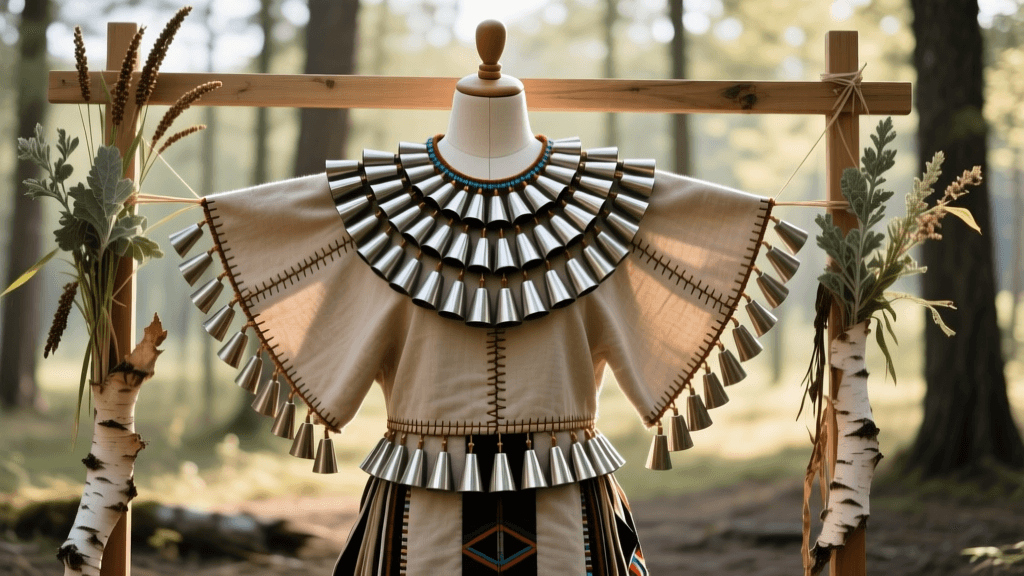
2026 Jingle Dress Regalia: Sourcing Metal Cones and Fabrics
The Healing Power and Evolution of the Jingle Dress
The Jingle Dress dance is one of the most profoundly spiritual and visually captivating traditions in Native American powwow culture. Originating from the Ojibwe (Chippewa) people in the early 20th century, the dress was born from a vision of healing. According to oral histories shared by elders and documented by institutions like the Smithsonian National Museum of the American Indian, the dress and its accompanying dance were revealed in a dream to heal a sick child. The distinctive sound of the metal cones striking one another is said to mimic the sound of falling rain, bringing healing and restoration to the community.
As we move through the 2026 powwow season, the Jingle Dress has evolved into a pan-Indian symbol of resilience, prayer, and cultural pride. While the spiritual core of the regalia remains untouched, the materials, construction techniques, and aesthetic trends have adapted. Today's dancers require garments that can withstand the rigorous demands of competition powwows while honoring traditional craftsmanship. Whether you are a seasoned dancer updating your regalia or a first-time maker, understanding how to source the right metal cones, fabrics, and beadwork supplies in 2026 is essential for creating a dress that moves, sounds, and looks spectacular.
Sourcing Authentic Metal Jingle Cones in 2026
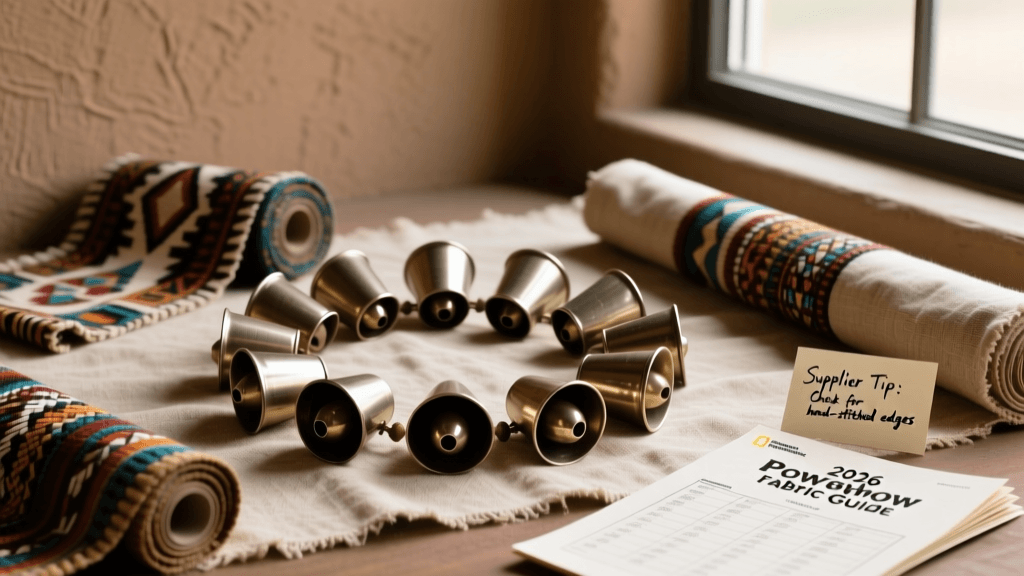
The defining feature of the regalia is the 'jingle'—the metal cone that creates the iconic rain-like sound. Historically, these were crafted from the lids of snuff cans or baking powder tins, rolled into cones and sewn onto the fabric. Today, while some traditionalists still hand-roll their own cones, most dancers purchase commercially produced metal cones from specialized Indigenous artisans and powwow traders.
Rolled vs. Stamped Cones
When sourcing cones for the 2026 season, you will primarily encounter two types:
- Hand-Rolled Cones: These are made from flat sheets of metal (usually brass or copper) that are rolled into a cone shape with a visible seam. They produce a sharper, louder, and more resonant 'clack.' Because they are labor-intensive, they are more expensive, typically ranging from $0.55 to $0.85 per cone in 2026.
- Machine-Stamped Cones: These are mass-produced by stamping a single piece of metal into a seamless cone. They are lighter, have a slightly softer tone, and are much more affordable, averaging $0.20 to $0.35 per cone. They are highly popular for youth dresses and practice regalia.
Choosing Your Metal
The material of the cone drastically affects both the sound and the weight of the dress. Brass remains the gold standard for adult competition dancers due to its bright, carrying sound and durability. Aluminum has surged in popularity for the 2026 season because it is incredibly lightweight, reducing dancer fatigue during long Grand Entries and multi-day competitions. Copper is chosen by dancers who prefer a deeper, warmer tone and appreciate the natural patina the metal develops over time.
A standard adult Jingle Dress requires anywhere from 365 (representing the days of the year) to over 500 cones. Budget accordingly, as purchasing 500 high-quality brass rolled cones can cost between $275 and $425, excluding shipping from specialized Native-owned trading posts.
Selecting the Right Fabric for Movement and Sound
The fabric of a Jingle Dress must strike a delicate balance. It needs to be heavy enough to swing outward during the dancer's pivots and footwork, which allows the jingles to strike each other and create sound. However, if the fabric is too heavy, it will exhaust the dancer and restrict the rapid, nimble footwork required in modern competition dancing.
In 2026, there is a strong trend toward high-quality cotton blends and sustainable rayons that offer excellent drape without the suffocating heat of older synthetic polyesters. Below is a comparison chart of the most popular fabric choices for the current season.
| Fabric Type | Weight & Drape | Sound Amplification | 2026 Avg Cost/Yard | Best Use Case |
|---|---|---|---|---|
| Cotton Calico | Medium; crisp drape | High (stiff enough to push cones out) | $8.00 - $12.00 | Traditional styles, everyday powwows |
| Cotton Broadcloth | Medium-Heavy; smooth | Medium-High | $10.00 - $15.00 | Durable competition dresses |
| Rayon Challis | Light-Medium; fluid | Medium (requires closer cone spacing) | $14.00 - $20.00 | Hot weather powwows, fluid movement |
| Polyester Taffeta | Light; stiff and noisy | Low (fabric noise competes with cones) | $6.00 - $10.00 | Budget-friendly youth dresses |
For the 2026 competition circuit, many top dancers are opting for custom-printed cotton sateen or high-thread-count broadcloth. These fabrics hold vibrant, custom sublimated prints—allowing dancers to feature intricate digital floral or geometric patterns directly on the skirt—while maintaining the structural integrity needed to support hundreds of metal cones.
Calculating Yardage and Cone Placement
One of the most common mistakes first-time regalia makers face is underestimating the amount of fabric required. A Jingle Dress is not a simple sheath; it requires significant gathering, especially at the skirt and sleeves, to allow for freedom of movement and to provide enough surface area for cone placement.
Standard Adult Yardage Breakdown
- Bodice: 1.5 to 2 yards. This is typically fully lined with a breathable cotton muslin to support the weight of the beadwork medallions and the cones attached to the lower hem.
- Skirt: 5 to 8 yards. The skirt is usually gathered at the waist and features a ruffled or tiered hem. The bottom 12 to 18 inches of the skirt is where the majority of the jingles are placed.
- Sleeves: 1.5 to 2.5 yards. Modern 2026 trends favor dramatic, bell-shaped sleeves or tiered ruffle sleeves that extend to the elbow or wrist, requiring additional yardage for the ruffles.
- Ribbon Appliqué: 10 to 15 yards of double-fold satin or grosgrain ribbon (typically 1/2 inch or 1 inch wide) for the decorative borders that frame the fabric and provide anchor points for the jingles.
Cone Spacing Mathematics
To achieve the correct sound, jingles must be spaced precisely. If they are too far apart, they will not strike each other. If they are too close, they will tangle and muffle the sound. The standard rule of thumb is to space the cones 1 inch to 1.25 inches apart on the ribbon. You will typically sew the jingles in horizontal rows along the bottom hem of the skirt and the edges of the sleeves. For a skirt with a 120-inch hem, you will need roughly 100 cones per row. A standard dress features 3 to 5 rows of jingles on the skirt hem alone.
Beading, Appliqué, and 2026 Design Trends
While the metal cones provide the voice of the dress, the beadwork and appliqué provide its spirit. According to resources and community discussions found on Powwows.com, the integration of traditional Ojibwe floral beadwork with contemporary color palettes is dominating the 2026 season.
Dancers are increasingly using size 11/0 and 10/0 Czech glass seed beads, favoring metallic finishes, neon accents, and color-shifting (aurora borealis) beads to make their regalia pop under stadium lights. The beadwork is rarely sewn directly onto the dress fabric due to the stress and movement. Instead, artisans create beaded medallions on a heavy leather or interfacing backing, which are then stitched onto the bodice, belt, and yoke.
Ribbonwork has also seen a renaissance. Instead of simple straight borders, many makers are utilizing cut-and-fold ribbonwork techniques to create intricate zig-zag and diamond patterns along the bodice and sleeves. Sourcing high-quality, colorfast grosgrain ribbon from specialized Indigenous suppliers ensures that the colors will not bleed onto the fabric during outdoor summer powwows where sudden rain showers are common.
Assembly: Tying and Tuning Your Jingles
The final and most crucial step in creating your regalia is attaching the cones. In 2026, while some makers still use heavy-duty thread, the preferred method for attaching jingles is using narrow, durable leather thong, artificial sinew, or heavy-duty waxed nylon cord. This allows the cone to swing freely from its anchor point.
When tying the cones, ensure that the knot inside the cone is large enough that it cannot slip through the metal hole. A small dab of flexible fabric glue or clear nail polish on the knot can prevent it from unraveling over the course of a long powwow weekend. As you tie each row, periodically shake the skirt to 'tune' the dress. You are listening for a bright, unified crash of metal, rather than a dull clatter. Adjust the spacing of your ribbons and cones until the acoustic resonance is perfect.
Caring for Your 2026 Regalia
A handmade Jingle Dress is a significant investment of time, money, and spiritual energy. Proper care is essential. Never machine-wash a fully jingled dress, as the metal cones will rust, tarnish, or tear the fabric in the agitator. Instead, spot-clean the fabric with a gentle, upholstery-safe foam cleaner. After every powwow, hang the dress in a well-ventilated area to air out, and use a soft, dry microfiber cloth to wipe down the brass or copper cones to remove sweat and oils, which can cause premature tarnishing. Store the dress flat or on a heavy-duty padded hanger in a breathable cotton garment bag to protect the beadwork and ribbonwork from dust and moths.
By carefully selecting your materials, respecting the traditional mathematics of cone placement, and embracing the vibrant design trends of 2026, you can craft a Jingle Dress that not only honors the healing vision of its origins but also stands out on the modern powwow trail.