LDS Temple Garment Shopping 2026: Where & How To Buy
Understanding the Sacred Nature of Temple Garments
Within the rich tapestry of religious and traditional textiles across the Americas, the temple garments worn by members of The Church of Jesus Christ of Latter-day Saints hold a deeply sacred, deeply personal significance. Often referred to simply as 'garments' or 'Mormon underwear' by those outside the faith, these undergarments are actually profound religious vestments. They serve as a tangible, daily reminder of the covenants made by adult members during the temple endowment ordinance. Unlike traditional indigenous regalia or cultural folk costumes that are worn publicly during festivals or ceremonies, LDS temple garments are worn privately beneath everyday clothing, acting as a spiritual armor and a symbol of devotion.
As we navigate the year 2026, the process of acquiring these sacred items has become more streamlined, technologically integrated, and tailored to the diverse climates and lifestyles of a global membership. Whether you are a newly endowed member preparing to purchase your first set, or a lifelong member looking to update your wardrobe with the latest fabric innovations, understanding the official channels, sizing metrics, and modern styles is essential. This comprehensive guide will walk you through exactly where and how to purchase official LDS temple garments in 2026, ensuring you receive authentic, high-quality, and appropriately blessed vestments.
Where to Buy Official LDS Garments in 2026
It is crucial to understand that authentic LDS temple garments cannot be purchased at standard retail clothing stores, third-party e-commerce platforms, or generic modesty apparel boutiques. The Church strictly controls the manufacturing, distribution, and sale of these sacred items to maintain their reverent nature and ensure that only endowed members in good standing have access to them. In 2026, there are three primary, officially sanctioned avenues for purchasing garments:
1. The Official Church Distribution Website
The most comprehensive and convenient method for purchasing garments is through the official online store. The Church's e-commerce platform has received significant UX and accessibility updates for 2026, making it easier than ever to filter by gender, fabric type, and specific sizing needs. All online purchases are shipped discreetly, and the checkout system is securely integrated with your Church account to verify your temple recommend status automatically.
2. The 2026 Gospel Library and Distribution App
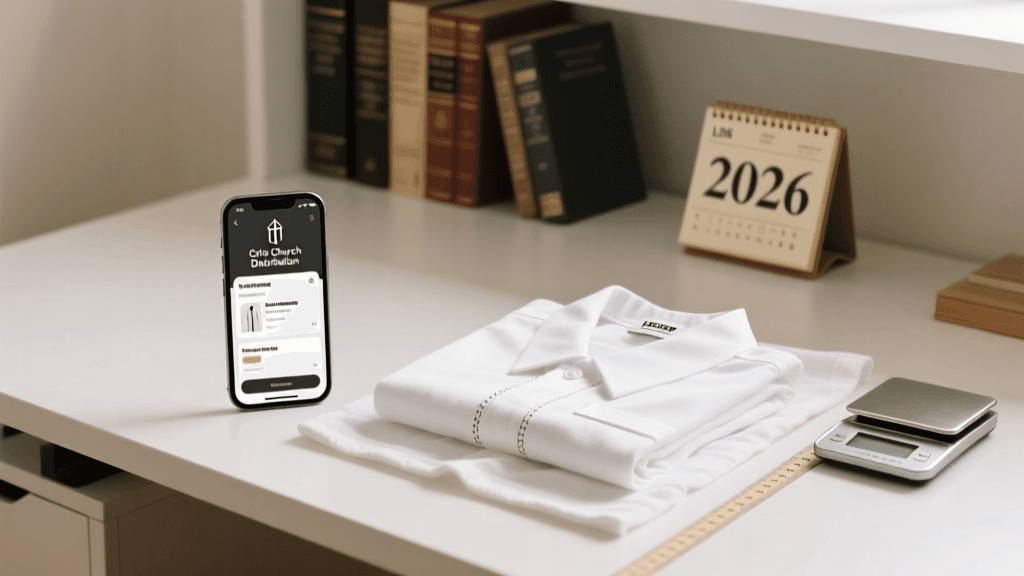
For members who prefer mobile shopping, the newly updated 2026 Church Distribution app (now fully integrated within the broader Gospel Library ecosystem) allows for seamless reordering. The app remembers your exact measurements, preferred fabric blends, and shipping addresses, enabling a one-click reorder process that is incredibly helpful for busy individuals and families.
3. Physical Distribution Centers and Temple Stores
If you prefer to feel the fabrics in person or need immediate assistance with sizing, physical locations remain a vital resource. Every operating LDS temple features a distribution center or a dedicated garment room where members can purchase items in person. Additionally, select large-scale Deseret Book stores and regional Church distribution centers in areas with high Latter-day Saint populations (such as Utah, Idaho, and parts of Latin America) carry full inventories of garments. When visiting in person, you must present a valid, physical temple recommend or use the digital recommend feature within your member app to complete the transaction.
Step-by-Step: How to Purchase and Verify Your Recommend
The purchasing process is designed to be respectful and secure. Because the garments are sacred, the Church utilizes a verification system to ensure they are only sold to endowed members. According to the General Handbook of The Church of Jesus Christ of Latter-day Saints, members who have received their endowment are encouraged to wear the garment throughout their lives. Here is how the verification and purchasing process works in 2026:
- Account Linkage: Ensure your Church Account (formerly LDS Account) is linked to your official membership record. This is what the system uses to verify your endowment status.
- Temple Recommend Check: When you add garments to your digital cart on the official Church Distribution garments page, the system will run a silent, background check against the bishop's temple recommend database. If your recommend is expired or inactive, the system will politely block the checkout process.
- Purchasing for a Spouse: In 2026, the system allows endowed members to purchase garments for their endowed spouses using their own verified account, provided the spouse's membership record is linked in the family directory.
Sizing and Measurement Guide
One of the most common challenges when buying garments, especially online, is achieving the correct fit. Garments are not meant to be tight or restrictive; they should fit comfortably against the skin without excessive bagginess. The 2026 sizing charts have been refined to accommodate a wider variety of body types. Here is how to measure yourself accurately using a soft tailor's tape measure:
For Tops (Garment Shirts)
- Chest: Measure around the fullest part of your chest, keeping the tape measure level and snug but not tight.
- Waist: Measure around your natural waistline, typically just above the belly button.
- Sleeve Length: With your arm slightly bent, measure from the center back of your neck, across your shoulder, and down to your wrist bone.
For Bottoms (Garment Shorts/Pants)
- Hips: Measure around the fullest part of your hips and buttocks.
- Inseam: Measure from the highest point of your inner thigh down to where you want the garment to end (standard shorts usually fall mid-thigh, while capri or full-length options are available for specific modesty or climate needs).
Pro Tip for 2026: If you find yourself between two sizes on the digital chart, the Church Distribution sizing algorithm now recommends sizing up for a more comfortable, breathable fit, particularly if you are ordering the non-stretch classic cotton options.
2026 Garment Styles, Fabrics, and Pricing
Over the years, the Church has continually updated garment designs to improve comfort, breathability, and durability. In 2026, the selection of fabrics is more advanced than ever, utilizing modern textile engineering to help members stay comfortable in extreme heat, high humidity, or during rigorous physical activity. Below is a comparison chart of the primary garment styles available this year.
| Style Name | Fabric Composition | Best Use Case | 2026 Est. Price (USD) |
|---|---|---|---|
| Classic Cotton | 100% Combed Cotton | Everyday wear, sensitive skin, cooler climates | $9.00 - $11.00 |
| Stretch Cotton | 95% Cotton, 5% Spandex | Active lifestyles, flexible movement, travel | $11.00 - $13.00 |
| Modal Mesh | Micro-Modal / Nylon Mesh Blend | Hot/humid climates, summer months, nightwear | $12.00 - $14.50 |
| Athletic Performance | Moisture-Wicking Polyester Blend | Sports, gym workouts, heavy labor | $13.00 - $15.00 |
| Maternity | Stretch Cotton with expandable belly panels | Pregnancy and postpartum comfort | $14.00 - $16.00 |
| Youth (Modesty) | Soft Cotton Blends | Older youth preparing for temple trips (not endowed garments) | $8.00 - $10.00 |
The 2026 lineup places a heavy emphasis on sustainability and ethical manufacturing. The Church has recently transitioned several of its cotton supply chains to utilize organically farmed, fair-trade cotton, ensuring that the production of these sacred items aligns with principles of stewardship and care for the earth. Furthermore, the markings on the garments (the compass, square, and navel marks) are now seamlessly integrated using advanced, skin-safe sublimation printing techniques that prevent the itching and irritation that older embroidery methods sometimes caused.
Care, Maintenance, and Proper Retirement
Because of their sacred nature, garments should be treated with respect, even in the laundry room. To extend the life of your 2026 modal and stretch-cotton garments, it is highly recommended to wash them in cold water using a mild, bleach-free detergent. Avoid using fabric softeners, as they can coat the moisture-wicking fibers of the athletic and mesh styles, reducing their breathability. Tumble drying on low heat or air-drying is preferred to prevent the spandex fibers from degrading over time.
When a garment becomes overly worn, stretched out, or damaged beyond repair, it must be retired properly. The sacred markings should be carefully cut out and destroyed (often by burning or cutting them into unrecognizable pieces) so they cannot be discarded in a recognizable state. The remaining, non-marked fabric can then be disposed of in the regular trash, or repurposed as cleaning rags if the fabric is still usable. This process ensures that the sacred symbols are never treated with disrespect in landfills or public spaces.
Conclusion
Shopping for LDS temple garments in 2026 is a seamless blend of spiritual reverence and modern convenience. By utilizing the official Church Distribution channels, taking accurate measurements, and selecting the right fabric for your specific climate and lifestyle, you can ensure that your sacred vestments provide comfort and spiritual remembrance every day. As textile technologies continue to evolve, members can look forward to garments that honor ancient covenants while embracing the practical needs of modern life across the Americas and the globe.