Powwow Jingle Dress Guide: Sourcing Metals & Fabrics in 2026
The Enduring Legacy and Evolution of the Jingle Dress
The jingle dress, known in the Ojibwe language as ziibaaska'iganagadewin, is far more than a vibrant powwow garment; it is a profound symbol of healing, resilience, and cultural continuity. Originating from the Ojibwe communities around the Great Lakes in the early 20th century, the dress was revealed in a healing dream and has since evolved into a staple of Native American traditional clothing and regalia across North America. As we navigate the 2026 powwow season, the jingle dress remains a central feature of dance arenas, celebrated for its distinctive, rain-like sound and its powerful spiritual significance. For dancers, artisans, and regalia makers, constructing a jingle dress requires a deep understanding of traditional materials, modern textile innovations, and ethical sourcing practices. This comprehensive guide explores the nuances of sourcing metals, fabrics, and beadwork supplies for jingle dress regalia in 2026, ensuring your creations honor tradition while meeting the rigorous demands of contemporary powwow circuits.
The Heartbeat of the Dance: Sourcing Metal Cones
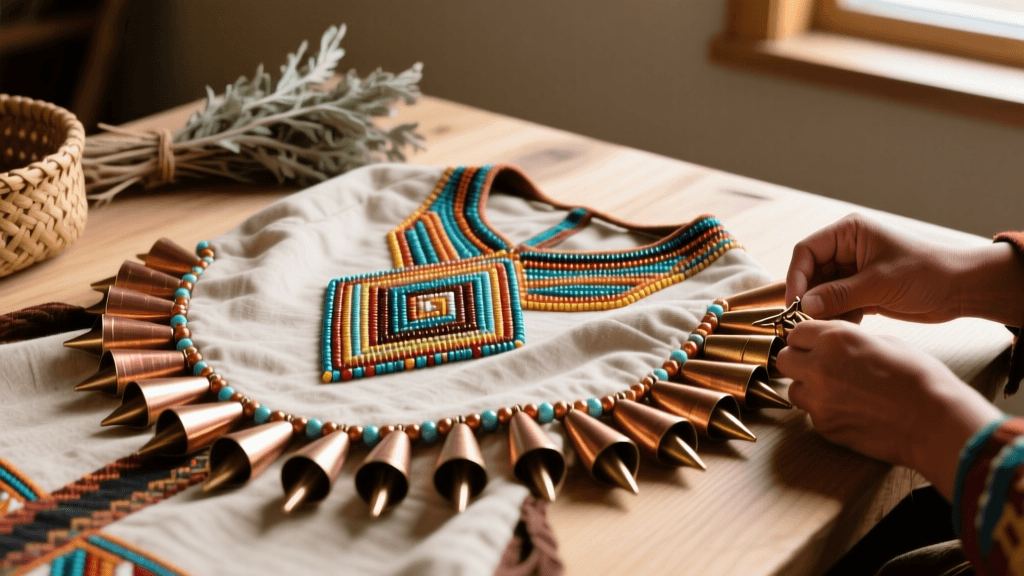
The defining characteristic of the jingle dress is the rhythmic, soothing sound produced by the metal cones, or 'jingles,' sewn in overlapping rows across the fabric. Historically, these cones were meticulously hand-rolled from the lids of snuff cans. The process required immense patience, utilizing specialized rolling tools to shape the thin metal into perfect, trumpet-like cylinders that would clink together during the dancer's footwork. Today, in 2026, regalia makers have access to a wider variety of metal cones, each offering a distinct acoustic profile and aesthetic.
For traditionalists and competition dancers, hand-rolled snuff lid replicas remain the gold standard. These cones produce a deep, resonant, and mellow sound that closely mimics the original healing dresses. However, sourcing authentic hand-rolled cones has become increasingly specialized. Many artisans now source these directly from Indigenous metalworkers who preserve the traditional rolling techniques, often commissioning them through Native artisan cooperatives or specialized powwow suppliers. Machine-stamped aluminum cones are also widely available and are frequently used for youth dancers, practice dresses, or social powwows due to their lighter weight and lower cost. While they produce a brighter, higher-pitched sound, they lack the deep resonance of traditional steel or tin.
When sourcing metals in 2026, it is crucial to consider the weight of the cones. A standard adult jingle dress can feature anywhere from 365 to 700 cones, depending on the size of the dancer and the design of the dress. The cumulative weight can significantly impact a dancer's stamina and footwork. Below is a comparison chart of the primary cone types available to regalia makers this year.
| Cone Type | Material | Acoustic Profile | 2026 Avg Cost (per 100) | Best Use Case |
|---|---|---|---|---|
| Hand-Rolled Snuff Lids | Recycled Steel/Tin | Deep, resonant, traditional rain-like | $85 - $130 | Competition & Traditional Powwows |
| Machine-Stamped Aluminum | Lightweight Aluminum | Higher pitch, bright, sharp | $35 - $55 | Practice, Youth Dancers, Socials |
| Heavy-Gauge Brass | Solid Brass Alloy | Rich, loud, sustained ring | $160 - $220 | Special Exhibition & Healing Ceremonies |
For those looking to purchase in bulk, established Native American craft suppliers like Crazy Crow Trading Post continue to offer reliable inventory of stamped cones and rolling tools for makers who wish to craft their own. However, supporting independent Indigenous metalworkers directly through social media marketplaces and community networks remains the most culturally supportive method of acquisition in 2026.
Fabric Selection: Movement, Weight, and 2026 Textile Trends
The foundation of any jingle dress is its fabric, which must withstand the dynamic, sweeping movements of the dance while providing a durable base for heavy metal and beadwork. Historically, solid-colored cottons and calicos were the standard. As the style evolved, particularly with the rise of the 'fancy' or contemporary jingle dress in the late 20th century, vibrant satins, broadcloths, and multi-colored patterned fabrics became prominent.
In 2026, the trend among top-tier competition dancers leans heavily toward high-quality, breathable cotton broadcloth and sustainable, eco-friendly blended textiles. Summer powwows across the Plains and the Southwest can be brutally hot, and heavy synthetic satins can lead to overheating and fatigue. Modern textile mills have begun producing lightweight, moisture-wicking broadcloths that mimic the drape and opacity of traditional cotton but offer superior climate control. When sourcing fabric, regalia makers should look for materials with a tight weave to prevent the heavy cones from tearing through the fabric over time. A medium-to-heavy weight cotton or a cotton-polyester blend with a high thread count is ideal for the main body of the dress.
Color selection is deeply personal and often tied to family clans, spiritual visions, or regional aesthetics. While jewel tones (emerald, sapphire, ruby) and stark whites remain timelessly popular, 2026 has seen a resurgence in earth tones, terracottas, and deep ochres, reflecting a broader movement toward natural, land-based color palettes in Indigenous fashion. When purchasing fabric, always buy an extra 15% to account for pattern matching, shrinkage, and the creation of matching accessories like shawls or leggings.
Ribbonwork and Appliqué Techniques
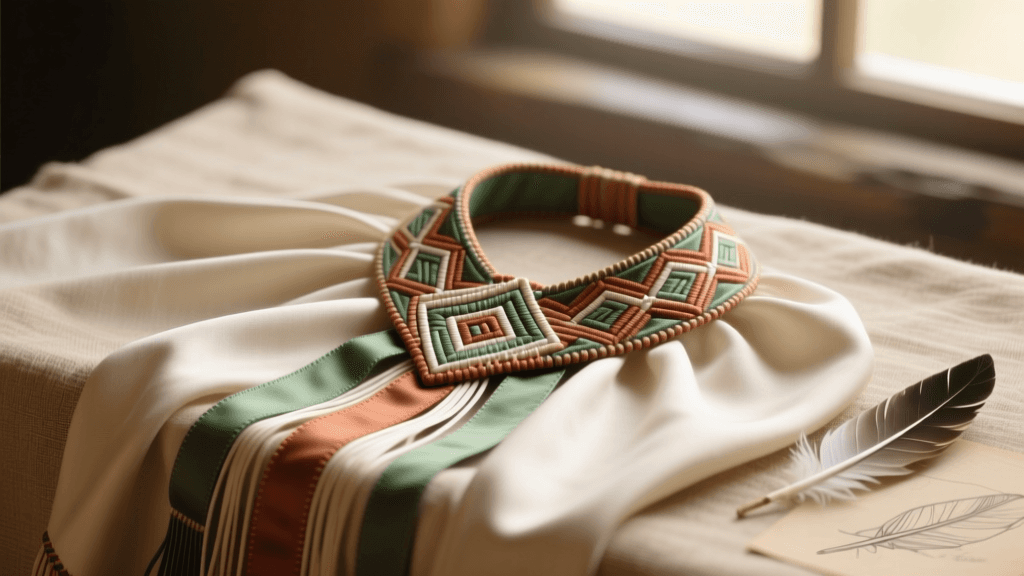
Ribbonwork appliqué is a hallmark of Woodlands and Great Lakes regalia, and it features prominently on the yokes, hemlines, and sleeves of many jingle dresses. This technique involves layering and cutting satin or nylon ribbons to create intricate, geometric, or floral patterns that are then stitched onto the base fabric. Sourcing the right ribbon is critical for the longevity of the dress.
In 2026, double-faced satin ribbons made from high-denier polyester are the preferred choice for regalia makers. Unlike the nylon ribbons of the past, which were prone to fraying and running when cut, modern polyester ribbons can be carefully singed or treated with anti-fray solutions to maintain crisp, clean edges. When designing the appliqué, artisans typically use a zig-zag stitch or a blind hem stitch to secure the ribbons, ensuring the threads do not distract from the visual pattern. For dancers who prefer the traditional Ojibwe floral motif, the ribbonwork is often combined with raised beadwork, creating a stunning three-dimensional effect that catches the arena lights.
Beadwork: Completing the Regalia
No jingle dress is complete without its accompanying beadwork, which adorns the yoke, belt, leggings, moccasins, and often a matching purse or fan. The floral beadwork style of the Great Lakes tribes is particularly iconic, characterized by symmetrical, sweeping vines and delicate blossoms. Sourcing high-quality glass seed beads is essential for achieving the vibrant, long-lasting finish required for competition regalia.
Czech glass seed beads remain the undisputed standard in 2026. For intricate floral work on velvet or broadcloth yokes, size 13/0 or 14/0 beads are preferred due to their tiny, uniform shape, which allows for incredibly detailed curves and shading. For geometric patterns or larger fill areas, size 11/0 beads are commonly used. When sourcing beads, it is vital to purchase from reputable suppliers who guarantee colorfastness. The dyes used in cheaper, mass-produced beads from overseas can bleed when exposed to sweat or rain, potentially ruining hours of meticulous labor and expensive fabric.
The base material for the beadwork is equally important. While some artisans bead directly onto the dress fabric, many prefer to bead onto separate pieces of heavy felt, faux leather, or velvet, which are then attached to the dress. This modular approach allows the beadwork to be removed for washing or transferred to a new dress in the future, a practical consideration for dancers who update their regalia frequently.
Constructing the Yoke, Bodice, and Footwear
The construction of the jingle dress has evolved from a simple, one-piece shift dress to a more tailored, two-piece design featuring a separate yoke and skirt. This modern construction allows for a better fit and greater freedom of movement. The yoke is typically heavily decorated with beadwork, ribbonwork, or elaborate appliqué, serving as the visual centerpiece of the regalia. When drafting the pattern, makers must ensure the yoke sits flat against the shoulders and chest, preventing the heavy metal cones on the skirt from pulling the neckline backward during the dance.
Footwear is another critical component. Jingle dress moccasins are traditionally fully beaded on the vamp (the top of the foot) and feature a hard or soft sole depending on the dancer's preference and the terrain of the powwow grounds. In 2026, many dancers opt for moccasins with reinforced, cushioned insoles and durable rubber outsoles to absorb the impact of the repetitive, grounded footwork required in jingle dress dancing. Sourcing smoked, brain-tanned deer hide or high-quality commercial buckskin ensures the moccasins will mold to the dancer's feet and withstand years of use.
Ethical Sourcing and Community Support
As the appreciation for Native American traditional clothing grows, so does the risk of cultural appropriation and the proliferation of mass-produced, inauthentic knockoffs. In 2026, it is more important than ever for dancers, collectors, and enthusiasts to prioritize ethical sourcing. Purchasing materials and finished regalia directly from Indigenous artisans ensures that the economic benefits remain within Native communities and that the cultural integrity of the garments is preserved.
Organizations such as the Native Arts and Cultures Foundation play a vital role in supporting Indigenous artists, providing grants and resources that help traditional makers sustain their craft. Furthermore, staying informed through platforms like ICT News helps the community remain aware of issues surrounding the Indian Arts and Crafts Act, which protects Native artisans from counterfeit goods. When commissioning a jingle dress or purchasing supplies, always verify the Indigenous heritage of the maker or supplier. Building relationships with Native beadworkers, seamstresses, and metalworkers not only guarantees a higher quality, more authentic garment but also actively contributes to the survival and flourishing of Indigenous textile arts.
Conclusion
Creating a jingle dress is a labor of love, requiring a harmonious blend of historical knowledge, technical sewing skills, and an ear for the perfect acoustic resonance. As the 2026 powwow season unfolds, the continued evolution of materials—from sustainable broadcloths to precision-stamped metals—offers regalia makers new tools to express their heritage. By prioritizing ethical sourcing, supporting Indigenous artisans, and honoring the healing origins of the dress, dancers ensure that the beautiful, rain-like song of the jingles will continue to echo across powwow arenas for generations to come.