Jingle Dress Regalia Guide 2026: Materials & Powwow Trends
The Healing Origins of the Jingle Dress
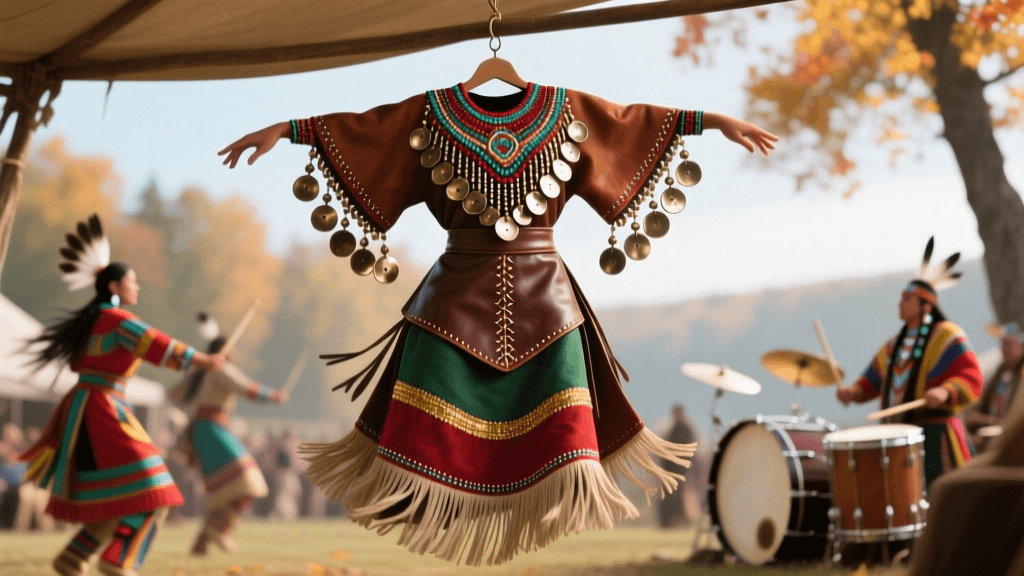
The Jingle Dress, often referred to as a healing dress, is one of the most spiritually significant and visually striking garments in Native American traditional clothing. Originating from the Ojibwe (Anishinaabe) people in the early 20th century, the dress was born from a dream during the 1918 influenza pandemic. According to oral tradition, a medicine man was given a vision of a dress adorned with metal cones that, when danced in, would produce a sound like rain on a tin roof, bringing healing to his sick granddaughter. Today, the Jingle Dress Dance is a staple at powwows across North America, celebrated not only for its rhythmic, soothing auditory presence but also for its profound cultural resilience.
As we navigate the 2026 powwow season, the construction of jingle dress regalia has evolved to incorporate modern textiles and lightweight metals, while strictly adhering to the sacred protocols of its origins. For Indigenous artisans, dancers, and cultural preservationists, understanding the balance between traditional craftsmanship and contemporary dance requirements is essential. This comprehensive guide explores the materials, construction techniques, and 2026 trends shaping Ojibwe jingle dress regalia today.
Essential Materials for 2026 Regalia Construction
Creating a jingle dress requires careful selection of fabrics that can withstand the rigorous movement of powwow dancing while providing a beautiful drape for the appliqué and ribbon work. In 2026, dancers are prioritizing breathable, high-durability blends that resist wrinkling during long inter-tribal gatherings and travel.
| Fabric Type | Durability & Drape | Estimated 2026 Cost (Per Yard) | Best Application |
|---|---|---|---|
| Cotton Broadcloth | Excellent breathability, traditional drape, wrinkles easily | $8.00 - $12.00 | Traditional everyday powwow dresses, historical reenactments |
| Poly-Cotton Blend (65/35) | High durability, wrinkle-resistant, moderate drape | $10.00 - $15.00 | Competitive powwow dancers, frequent travelers |
| Wool Broadcloth | Heavy, luxurious drape, very warm, highly durable | $25.00 - $40.00 | Winter powwows, Northern plains ceremonies, high-end regalia |
| Silk/Rayon Appliqué Ribbons | Delicate, high sheen, requires careful handling | $4.00 - $7.00 | Decorative ribbon work, hem accents, sleeve detailing |
When sourcing fabrics, it is crucial to purchase extra yardage to account for pattern matching, especially when utilizing custom digital textile prints, a growing trend in 2026 Indigenous fashion. According to Crazy Crow Trading Post, a leading supplier of Native American craft materials, the demand for pre-cut, color-fast ribbon work appliqué has surged, allowing artisans to save dozens of hours on intricate geometric patterning.
Sourcing the Perfect Jingles (Cones)
The defining feature of the regalia is the jingle, traditionally made from rolled snuff can lids. Today, manufactured metal cones are the standard, but the choice of metal drastically affects the sound, weight, and visual impact of the dress.
- Traditional Tin/Steel: Produces the classic, resonant 'rain' sound. However, a full dress requires 300 to 700 jingles, and steel can add up to 8-10 pounds of extra weight, causing dancer fatigue.
- Lightweight Aluminum Alloys: The preferred choice for the 2026 competitive dance circuit. These jingles offer a brighter, slightly higher-pitched sound while reducing the overall garment weight by nearly 40%.
- Copper and Brass: Used primarily for aesthetic contrast and a deeper, muted tone. Often mixed with silver-toned jingles to create visually striking geometric patterns on the skirt.
Spacing the jingles correctly is vital. They are typically attached in rows, spaced about 1.5 to 2 inches apart. The rows themselves are staggered so that when the dancer moves, the jingles strike one another, creating the signature continuous shimmering sound.
Step-by-Step Construction and Measurements
Constructing a jingle dress requires a solid understanding of garment drafting and reinforced sewing techniques. The dress is generally composed of a bodice, sleeves, and a gathered or pleated skirt. Here are the standard measurements and construction steps for an adult female dancer:
1. The Bodice and Sleeves
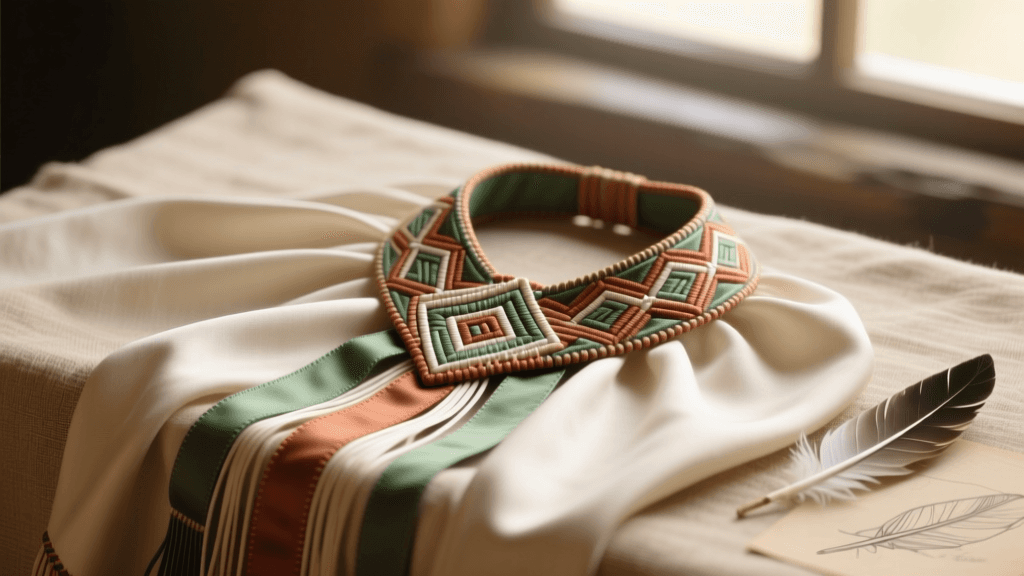
The bodice is typically cut with a slight drop-shoulder or set-in sleeve, allowing for a full range of arm motion. The neckline is usually finished with a simple bias binding or a beaded collar. In 2026, many seamstresses are integrating hidden stretch-mesh panels beneath the arms to improve ventilation and mobility during fast-paced contest dances.
2. The Skirt and Hemline
The skirt must be measured carefully. The traditional length falls just below the knee to mid-calf, ensuring the jingles do not drag on the ground or become tangled in the dancer's moccasins. A standard skirt requires 3 to 4 yards of fabric, gathered at the waistband. The hem is heavily reinforced with a wide ribbon or bias tape to support the weight of the bottom rows of jingles.
3. Attaching the Jingles
Never sew jingles directly onto the fabric using a single layer, as the metal will tear through the textile over time. Always use a reinforced backing, such as a strip of heavy canvas or twill tape, sewn to the inside of the skirt. Use heavy-duty nylon upholstery thread or traditional waxed sinew to tie the jingles, leaving a small loop so the cone can swing freely and strike its neighbors.
Accessories and Footwear
A jingle dress is not complete without its accompanying accessories, which tie the entire regalia together. According to dance guidelines documented by Powwows.com, the footwork of a jingle dancer is kept close to the ground, requiring specialized footwear and accessories that complement this unique style.
- Beaded Belt: A wide, fully beaded belt or a leather belt with brass conchos is worn at the natural waist to secure the skirt and add visual weight to the midsection.
- Matching Moccasins: Fully beaded moccasins with hard, durable soles are essential. In 2026, many dancers are opting for hybrid soles that combine traditional brain-tanned leather uppers with modern rubberized outdoor soles for better traction on both arena floors and grassy outdoor powwow grounds.
- Hair Accessories: Hair is typically braided and adorned with beaded barrettes, fur wraps, or eagle plumes (where legally and culturally permitted). A beaded headband or a wrap of otter fur is also common.
- The Fan: Dancers often carry an eagle, hawk, or macaw feather fan, or a beautifully beaded flat fan, which is raised during the honor beats of the drum.
2026 Powwow Trends and Aesthetics
While the spiritual core of the Jingle Dress remains untouched, the aesthetic expressions of the regalia continue to evolve. The 2026 powwow circuit has seen several distinct trends emerge among top-tier dancers and designers:
Digital Textile Printing
Instead of relying solely on traditional calico prints, many Indigenous designers are now utilizing digital fabric printing to create custom, high-resolution floral patterns inspired by historical Woodland art. These designs are printed directly onto poly-cotton blends, ensuring the colors remain vibrant even after rigorous washing and sun exposure.
LED and Reflective Accents
For evening powwows and night-time grand entries, subtle reflective ribbon work has become highly popular. These ribbons catch the arena lights, creating a glowing outline around the dancer's silhouette without compromising the traditional daytime appearance of the garment.
Color Palettes
While traditional reds, blues, and blacks remain popular, 2026 has seen a massive resurgence in earth-toned palettes—sage greens, terracotta, and deep ochres—often accented with metallic gold or copper ribbon work to mimic the natural landscapes of the Great Lakes and Northern Plains.
Caring for Your Sacred Garment
A jingle dress is a significant investment of time, money, and spiritual energy. Proper care ensures it lasts for generations. Always store the dress hanging in a breathable cotton garment bag; never use plastic, which can trap moisture and cause the metal jingles to oxidize or rust. If the jingles do begin to tarnish, they can be gently polished with a dry microfiber cloth. Avoid washing the dress in a machine. Instead, spot-clean the fabric with a mild, textile-safe detergent and allow it to air dry completely before storage.
Furthermore, many dancers observe specific cultural protocols regarding their regalia, such as offering tobacco when receiving the dress, ensuring it does not touch the ground, and keeping it in a sacred space within the home. Respecting these traditions is just as important as the physical construction of the garment itself.
Conclusion
The Ojibwe jingle dress is a living testament to Indigenous healing, survival, and artistic brilliance. Whether you are a seasoned seamstress updating your competitive regalia for the 2026 season, or a first-time dancer learning the protocols of the healing dress, understanding the intersection of traditional materials and modern construction techniques is key. By honoring the origins of the dress while embracing contemporary innovations in textiles and design, dancers continue to keep the healing rain of the jingles echoing across Turtle Island.