Ojibwe Jingle Dress Regalia: 2026 Sourcing & Construction Guide
The Healing Origins and Modern Powwow Presence
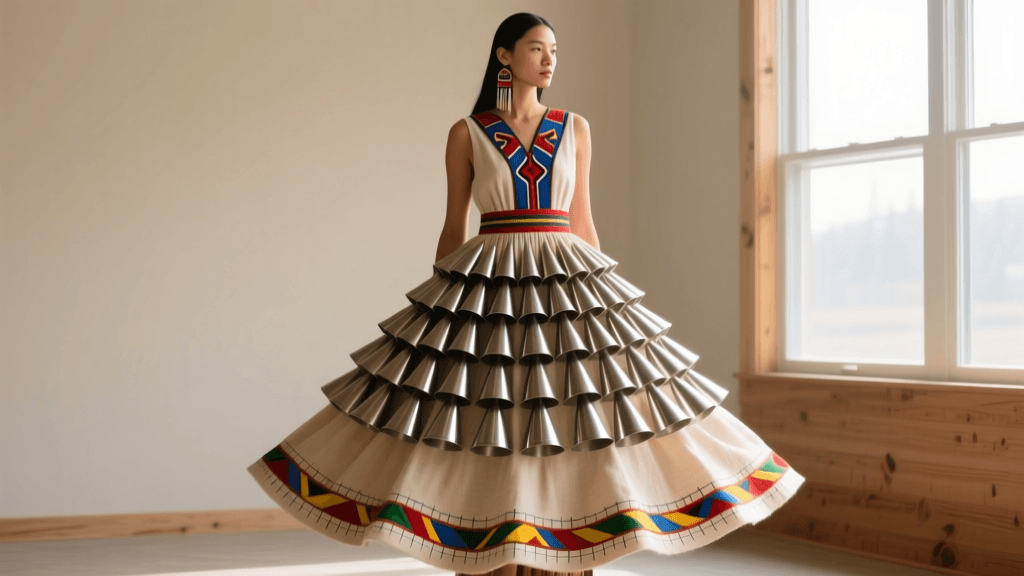
The Ojibwe jingle dress is far more than a vibrant display of textile artistry; it is a profound garment rooted in healing, prayer, and community resilience. Originating in the early 20th century among the Ojibwe (Anishinaabe) people of the Great Lakes region, the dress was created following a visionary dream intended to heal a sick child. The rhythmic, rain-like sound of the metal cones striking one another during the dance is believed to carry prayers to the Creator. As we navigate the 2026 powwow season, the jingle dress has evolved into a pan-Indigenous symbol of strength, with dancers across Turtle Island honoring its sacred origins while pushing the boundaries of contemporary design.
For Indigenous artisans, seamstresses, and dancers preparing for the 2026 competition and traditional powwow circuits, constructing a jingle dress requires a meticulous balance of cultural respect, structural engineering, and aesthetic vision. This comprehensive guide details the modern sourcing of materials, precise construction measurements, and the intricate art of ribbon appliqué required to build a competition-ready jingle dress regalia in 2026.
Sourcing Authentic Materials in 2026
The foundation of any exceptional regalia lies in the quality of its materials. In 2026, the supply chain for Native crafting materials has shifted heavily toward supporting Indigenous-owned enterprises and ethical manufacturers, ensuring that the economic benefits of powwow culture remain within the community.
The Jingles: Cones and Metals
The defining feature of the dress is the jingle, traditionally made from rolled metal cones. While early 20th-century dresses utilized rolled snuff can lids, modern artisans have a variety of options. For the 2026 season, rolled copper and stamped brass are the most sought-after materials due to their rich acoustic resonance and durability. When sourcing cones, always purchase by the gross (144 cones). Avoid cheap, mass-produced aluminum cones from overseas novelty suppliers, as they produce a dull, tinny sound and dent easily during the vigorous footwork of the dance.
Established Native-owned and allied suppliers, such as Crazy Crow Trading Post, remain vital resources for high-quality, acoustically tested metal cones. In 2026, expect to pay between $65.00 and $95.00 per gross for premium rolled copper cones, reflecting the rising costs of raw metals and ethical manufacturing practices.
Trade Cloth and Broadcloth
The base fabric of the dress must withstand immense physical stress. The skirt carries the weight of hundreds of metal cones, requiring a fabric with high tensile strength and minimal stretch. 100% cotton broadcloth or heavy-duty cotton-polyester twill are the industry standards for 2026. While pure cotton offers superior breathability for summer powwows, a 65/35 poly-cotton blend provides the necessary structural integrity to prevent the fabric from tearing under the weight of the jingles. You will need an average of 7 to 10 yards of 45-inch-wide fabric for a standard adult dress, depending on the fullness of the gathers and the number of tiers.
Ribbon Appliqué Materials
Ribbon work is the primary method of decorating the bodice and skirt tiers. For 2026 regalia, double-face satin ribbon is the preferred choice, as it resists fraying and holds a crisp edge when folded. Standard widths of 3/8-inch and 1/2-inch are used for intricate geometric patterns, while 1-inch ribbons are utilized for bold, sweeping borders. Sourcing ribbon from specialized textile wholesalers rather than local craft stores will save you hundreds of dollars, as a single adult dress can require upwards of 100 yards of ribbon across multiple colors.
2026 Material Cost and Sourcing Breakdown
Budgeting for a competition-level jingle dress is a significant investment. Below is a structured estimate of material costs for an adult-sized dress in the 2026 market.
| Material Component | Recommended Specification | 2026 Average Cost | Sourcing Notes |
|---|---|---|---|
| Jingle Cones (Adult Count) | Rolled Copper or Brass (4-6 Gross) | $260.00 - $570.00 | Buy in bulk from dedicated Native trade suppliers. |
| Base Fabric (Broadcloth) | 100% Cotton or Poly-Blend (8-10 yards) | $144.00 - $250.00 | Pre-wash and dry to prevent future shrinkage. |
| Ribbon (Appliqué) | 3/8" Double-Face Satin (150+ yards) | $75.00 - $120.00 | Purchase 100-yard spools to ensure dye-lot consistency. |
| Tying Cord | Waxed Sinew or Heavy Dental Floss | $15.00 - $25.00 | Must withstand friction and sweat without snapping. |
| Lining and Interfacing | Heavyweight Fusible Interfacing | $30.00 - $45.00 | Crucial for reinforcing cone anchor points on the skirt. |
Construction and Measurements
The architecture of a jingle dress is uniquely designed to facilitate the specific footwork of the dance, which requires the dancer to stay close to the ground while moving in intricate, zigzagging patterns. The dress must not restrict knee movement or drag on the ground, which could cause tripping hazards or soil the sacred garment.
Bodice and Skirt Proportions
The modern jingle dress is typically constructed as a two-piece garment (bodice and skirt) that overlaps seamlessly at the waist, or as a single-piece dress with an elasticized or drawstring waist. For a custom-fitted adult bodice, measure from the base of the neck to the natural waist, adding 1.5 inches for seam allowances and hem depth. The skirt should be measured from the natural waist down to the mid-calf. This mid-calf length is critical for the 2026 powwow arena, ensuring the bottom tier of cones swings freely without catching on the dancer's moccasins.
Cone Placement and Count Guide
The number of cones varies drastically by the dancer's age category and the desired visual density. The cones must be staggered in a diamond or chevron pattern to ensure they strike one another rhythmically. Below is the standard cone count guide for the 2026 season:
- Tiny Tot (Ages 0-5): 100 - 150 cones. Lightweight aluminum or small brass cones are recommended to prevent fatigue.
- Junior (Ages 6-12): 200 - 250 cones. Transitioning to standard copper cones.
- Teen (Ages 13-17): 300 - 350 cones. Full acoustic resonance begins at this tier.
- Adult (Ages 18+): 400 - 700+ cones. Competition dancers often push past 600 cones for maximum auditory impact.
The Art of Tying the Jingles
Never sew the cones directly onto the fabric using a machine; the metal will eventually slice through the thread. Instead, each cone must be hand-tied. Waxed artificial sinew or heavy-duty mint dental floss (a closely guarded secret among veteran seamstresses) provides the necessary friction and rot-resistance. Thread the cord through the cone, push it through a reinforced, interfaced slit in the fabric, and tie a secure square knot on the inside of the skirt. Space the cones exactly 1.25 inches apart horizontally, with rows offset by 0.625 inches to create the interlocking strike pattern.
Ribbon Appliqué Step-by-Step
Ribbon appliqué on a jingle dress is not merely decorative; it often tells a story, representing floral patterns of the Great Lakes or geometric star motifs of the Plains. To achieve the crisp, professional lines seen in top-tier 2026 competitions, follow this fold-and-stitch methodology:
- Template Creation: Draft your geometric or floral pattern on freezer paper. Iron the shiny side of the freezer paper directly onto the base fabric to create a temporary, rigid guide.
- Ribbon Folding: Fold the edge of your satin ribbon under by 1/4 inch. As you navigate curves and points, use a low-heat iron and a dab of fabric glue stick to hold the fold in place before stitching.
- The Appliqué Stitch: Using a blind hem stitch or a very tight zigzag stitch with matching thread, secure the ribbon to the broadcloth. For competition regalia, hand-sewing the appliqué using a microscopic slip stitch is highly revered and often noted by judges for its traditional authenticity.
- Sealing the Edges: Once the appliqué is complete, carefully peel away the freezer paper and use a wood-burning tool or a hot knife to seal the raw edges of any overlapping ribbons, preventing fraying during the wash cycle.
Ethical Considerations and Cultural Respect
As the jingle dress continues to captivate global audiences, it is imperative to address the ethics of regalia creation. The Native Arts and Cultures Foundation consistently advocates for the protection of Indigenous intellectual property and cultural expressions. In 2026, the powwow community remains vigilant against cultural appropriation and the mass production of sacred garments by non-Native fast-fashion entities.
If you are not of Indigenous descent, it is vital to understand that the jingle dress is a sacred item of religious and cultural significance, not a costume. The Smithsonian National Museum of the American Indian provides extensive educational resources on the protocols surrounding Native American dress, emphasizing that these garments are imbued with spiritual power and community history. For Native artisans, supporting fellow Indigenous beadworkers, ribbon workers, and metal smiths ensures the economic and cultural sovereignty of the community. Always verify that the materials, particularly the trade cloth and metalwork, are sourced from verified Native enterprises.
Maintaining and Storing Your Regalia
A competition jingle dress is a significant financial and temporal investment. Proper maintenance ensures it lasts for multiple seasons. After every powwow, hang the dress in a well-ventilated area to allow sweat and arena dust to dissipate. Never store the dress in a plastic garment bag, as this traps moisture and causes the copper cones to oxidize and tarnish prematurely. Instead, use a breathable cotton canvas bag. If the cones begin to lose their luster, a gentle polish with a specialized copper cleaner applied via a soft cloth will restore their shine, taking care not to saturate the surrounding broadcloth.
Conclusion
Constructing an Ojibwe jingle dress in 2026 is a profound undertaking that marries ancestral knowledge with modern textile engineering. From sourcing ethically produced copper cones to executing flawless ribbon appliqué, every stitch is an act of cultural continuation. Whether you are sewing your first dress for a Tiny Tot or engineering a heavy-cone masterpiece for the adult competition circuit, respecting the healing origins of the garment remains the most crucial element of its creation. As the drums begin and the dancers enter the arena, the collective sound of hundreds of jingles striking in unison serves as a powerful, resonant reminder of Indigenous survival, prayer, and unyielding beauty.