NYC and LA Garment Districts: 2026 Textile Sourcing Guide
The Evolution of American Fashion Hubs in 2026
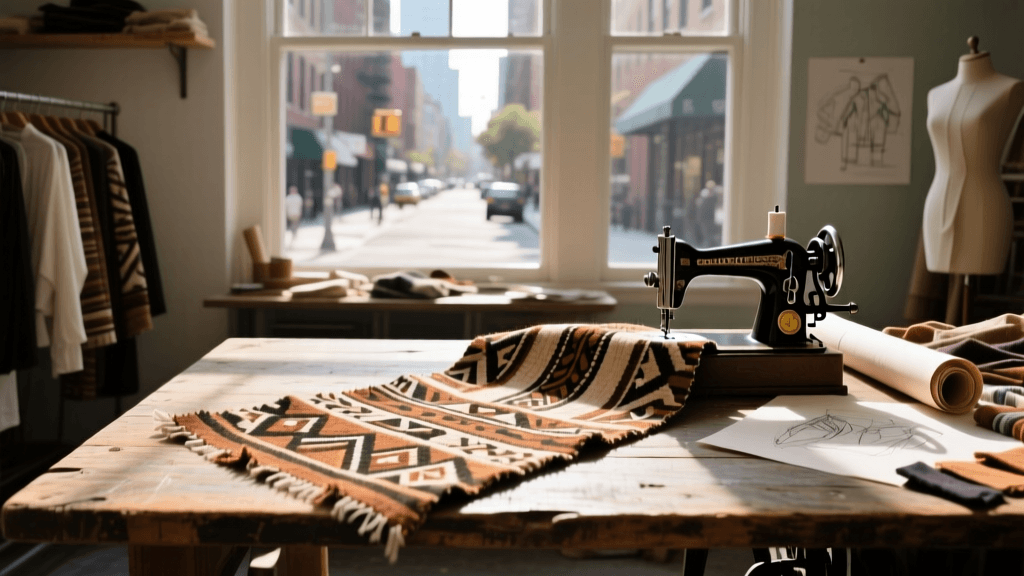
The landscape of American garment manufacturing and textile sourcing has undergone a profound transformation by 2026. As designers, artisans, and cultural historians increasingly prioritize localized, sustainable, and culturally respectful supply chains, the New York City Garment District and the Los Angeles Fashion District have evolved from mere mass-production centers into vital hubs for specialized, artisanal, and ethical sourcing. For creators focusing on Americas and Indigenous-inspired apparel, these domestic hubs offer unparalleled access to heritage fibers, deadstock fabrics, and traditional trims that honor ancestral craftsmanship while meeting modern ecological standards.
Navigating these bustling districts requires an understanding of their distinct specialties, shifting 2026 zoning regulations, and the growing emphasis on supply chain transparency. Whether you are sourcing heavy-weight wools for Northern Indigenous winter regalia or seeking organic, unbleached cottons for Mesoamerican-inspired silhouettes, this comprehensive guide will help you effectively navigate the premier fashion hubs of the Americas.
Navigating the NYC Garment District for Heritage Textiles
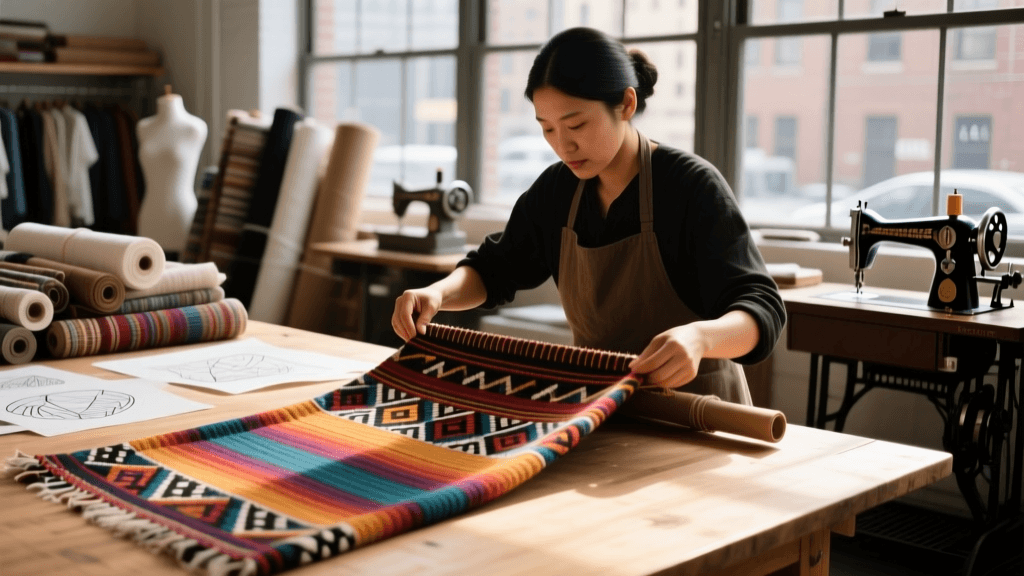
Located in Midtown Manhattan, primarily between 34th and 42nd Streets, the NYC Garment District remains the historic epicenter of high-end fashion sourcing in the United States. Thanks to the ongoing efforts of organizations like Save the Garment Center, the district has successfully preserved its micro-manufacturers and specialized textile jobbers against the tide of commercial real estate redevelopment. In 2026, the district is a treasure trove for designers focusing on North American Indigenous-inspired garments, historical reproductions, and high-end artisanal fashion.
Sourcing Premium Wools and Natural Fibers
For designers creating garments inspired by the traditions of the First Nations, Inuit, and Métis peoples, sourcing high-quality, natural animal fibers is paramount. The wholesale showrooms and retail storefronts along 38th and 39th Streets specialize in heritage textiles. In 2026, the demand for traceable, undyed merino, alpaca, and domestic sheep wools has surged. Designers can source heavy-weight melton wools ideal for winter capotes, blanket coats, and ceremonial outerwear. Furthermore, fine worsted wools and natural linens are readily available for tailored pieces that echo 19th-century Indigenous formalwear and contemporary adaptations of traditional dress.
Trims, Beadwork Supplies, and Specialized Notions
A crucial component of traditional Indigenous regalia across the Americas is intricate beadwork, quillwork, and ribbonwork. The NYC district houses highly specialized trim suppliers where designers can purchase glass seed beads, synthetic sinew, silk ribbons, and metallic threads in bulk. Unlike overseas suppliers that require massive minimum order quantities (MOQs), Midtown wholesalers in 2026 cater to independent artisans and small studios. This accessibility allows for small-batch, culturally significant productions without the burden of storing excess inventory.
Digital Showrooms and Physical Sampling
A major shift in 2026 is the integration of digital inventory management with physical sampling. Many historic NYC fabric stores now offer augmented reality (AR) swatching apps, allowing designers to visualize how a specific heritage tweed or natural silk will drape on a digital mannequin before visiting the physical showroom to feel the hand and weight of the textile.
The LA Fashion District: Latin American Textiles and Sustainable Cottons
While NYC excels in high-end wools and European-style tailoring, the Los Angeles Fashion District is the undisputed premier destination for cottons, denim, and Latin American textile imports. Stretching across downtown LA, bounded roughly by 9th Street to the north and 15th Street to the south, this hub is vital for designers exploring Mesoamerican, Andean, and contemporary Chicano fashion influences.
Manta, Muslin, and Traditional Cottons
For designers working with traditional Mexican and Central American silhouettes—such as the huipil, the guayabera, or the rebozo—sourcing the right base fabric is essential to maintaining the garment's structural and cultural integrity. The LA district's jobbers, particularly around Maple Avenue, offer vast quantities of unbleached cotton manta and lightweight muslin. In 2026, driven by the California Sustainable Textile Mandate, many of these suppliers have transitioned to offering GOTS-certified organic cottons. This ensures that the base materials align with the earth-respecting philosophies inherent in many Indigenous cultures, providing a clean, pesticide-free canvas for traditional embroidery and natural dyeing techniques.
Embroidered Imports and Artisanal Partnerships
The LA Fashion District also serves as a major entry point for finished and semi-finished textiles from Latin America. However, ethical sourcing is a critical concern in 2026. Reputable importers in the district now operate under strict fair-trade guidelines, partnering directly with weaving cooperatives in Oaxaca, Chiapas, and Guatemala. Designers can source authentic, hand-woven backstrap loom textiles and natural indigo-dyed yarns, ensuring that Indigenous artisans receive equitable compensation and proper attribution for their ancestral techniques. The Los Angeles Fashion District official directory now features a dedicated 'Ethical and Artisanal Importers' badge to help buyers identify verified, fair-trade vendors.
Denim and Contemporary Streetwear Influences
For designers blending traditional Indigenous motifs with contemporary American streetwear, LA's denim mills and wash houses are unmatched. Sourcing raw, selvedge denim and utilizing eco-friendly laser-distressing techniques available in the district allows creators to produce modern garments that serve as a canvas for traditional beadwork or ribbon appliqué.
2026 Sourcing Comparison: NYC vs. LA Districts
To help designers and procurement teams plan their sourcing trips, the following table compares the core operational differences between the two districts as of 2026.
| Sourcing Feature | NYC Garment District | LA Fashion District |
|---|---|---|
| Primary Specialties | Heritage wools, silks, high-end trims, beadwork supplies | Organic cottons, manta, denim, Latin American imports |
| Average MOQs (Wholesale) | Low to Medium (10-50 yards for most jobbers) | Medium to High (50-100+ yards, though cut-and-sew packages vary) |
| 2026 Organic Cotton Cost | $14 - $22 per yard | $9 - $16 per yard |
| Lead Times for Imports | Longer (Primarily European and Asian imports) | Shorter (Direct routes from Central/South America) |
| Best For | Northern Indigenous regalia, historical reproductions, luxury tailoring | Mesoamerican silhouettes, sustainable basics, contemporary streetwear |
Ethical Sourcing and Indigenous Intellectual Property
As the appreciation for Indigenous and traditional American garments grows, so does the responsibility to source ethically. In 2026, the line between cultural appreciation and cultural appropriation is heavily scrutinized by both consumers and regulatory bodies. The Council of Fashion Designers of America (CFDA) emphasizes that designers must prioritize intellectual property rights and cultural heritage when developing collections inspired by Indigenous communities.
When sourcing in NYC or LA, the best practice is to purchase raw, unbranded materials—such as plain weave cottons, natural dyes, undyed wools, and blank ribbons—and collaborate directly with Indigenous artisans to apply traditional motifs and techniques. Avoid purchasing pre-printed fabrics that feature sacred symbols, tribal patterns, or culturally significant iconography mass-produced by overseas mills. By sourcing the foundational materials domestically and investing in authentic, community-led artistry for the embellishment, designers ensure their work supports, rather than exploits, the cultures that inspire them.
Practical Tips for Your 2026 Sourcing Trip
Whether you are heading to Midtown Manhattan or Downtown Los Angeles, preparation is key to a successful sourcing trip. Keep these actionable tips in mind:
- Verify Showroom Hours: In 2026, many NYC wholesale showrooms operate strictly by appointment from Tuesday to Thursday, while LA jobbers often maintain traditional walk-in hours but close early on Fridays.
- Bring Physical Swatches: Despite advances in digital color matching, bringing physical reference swatches is crucial when hunting for specific natural dye shades or heritage weave textures.
- Understand the 'Cut and Sew' Packages: If you are looking for manufacturing rather than just fabric, LA is generally more suited for full-package production (sourcing, cutting, sewing, and finishing), whereas NYC excels in specialized, high-end cut-and-sew sample making.
- Prioritize Freight Forwarders: Both districts have dedicated local freight forwarders on the ground floor of major textile buildings. Establishing a relationship with them in 2026 will streamline the shipping of heavy wool bolts or bulk cotton rolls directly to your studio.
Conclusion
The NYC and LA garment districts remain the beating heart of American fashion production. By understanding their unique strengths—NYC's mastery of heritage wools and intricate trims, and LA's dominance in sustainable cottons and Latin American imports—designers can source materials that honor the rich, diverse textile traditions of the Americas. As we move through 2026, committing to ethical sourcing, supporting domestic micro-manufacturers, and respecting Indigenous intellectual property will define the next generation of culturally resonant and sustainable fashion.