NYC vs LA Garment Districts 2026: Artisan Sourcing Guide
Introduction to American Fashion Hubs in 2026
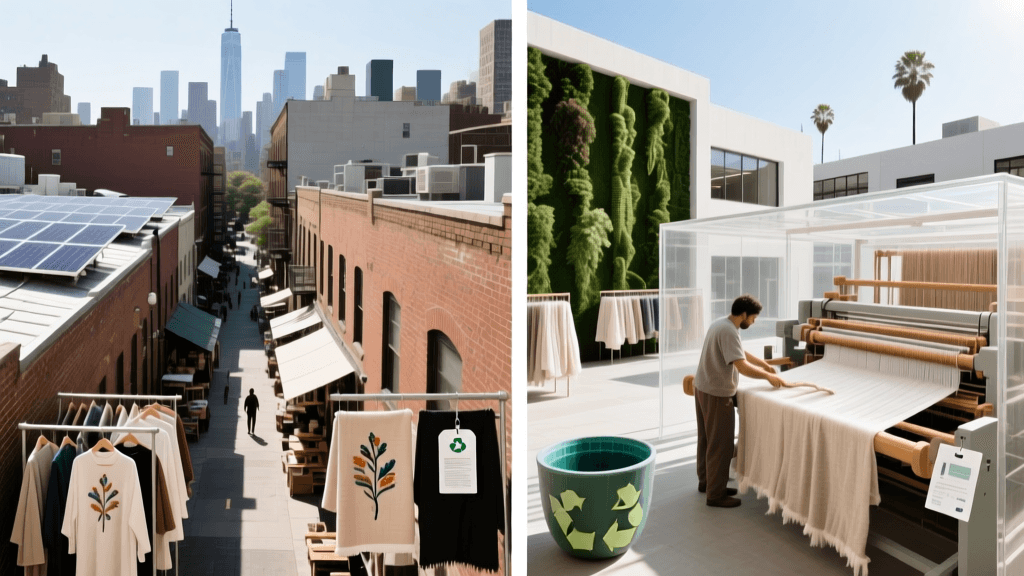
The landscape of American fashion manufacturing has undergone a seismic shift by 2026. Driven by global supply chain volatilities, nearshoring initiatives, and a renewed emphasis on ethical, localized production, the New York City Garment District and the Los Angeles Fashion District have re-emerged as critical hubs for independent designers. For creators specializing in Americas and Indigenous apparel—whether integrating Diné (Navajo) weaving techniques, scaling Oaxacan backstrap-loom textiles, or modernizing Inuit parka silhouettes—understanding the distinct advantages of these two coastal hubs is paramount. This comprehensive 2026 guide breaks down the logistics, costs, and sourcing strategies for traditional and indigenous garment makers navigating the US manufacturing landscape.
The New York City Garment District: Heritage and High-End Construction
Located primarily between West 34th and West 42nd Streets in Manhattan, the NYC Garment District remains the epicenter of high-end tailoring, complex pattern-making, and luxury outerwear. In 2026, the district has seen a stabilization in commercial real estate and manufacturing retention, largely bolstered by the ongoing efforts of organizations like Save the Garment Center, which fiercely advocates for the preservation of manufacturing spaces amid aggressive commercial zoning pressures.
Navigating NYC for Traditional and Indigenous Apparel
For designers working with heavy, structured traditional garments—such as contemporary adaptations of the Plains Indian ribbon shirts, heavily embroidered Métis sashes, or structured wool coats inspired by Indigenous North American winterwear—NYC offers unparalleled access to specialized heavy-duty sewing facilities and master tailors. The district excels in handling complex, multi-layered fabrics, intricate structural elements, and precision tailoring. However, the barrier to entry remains relatively high. Most traditional cut-and-sew factories in Manhattan require Minimum Order Quantities (MOQs) starting at 300 units per style, making it best suited for established brands or those backed by 2026 Council of Fashion Designers of America (CFDA) sustainability and heritage grants.
Sourcing Deadstock and Sustainable Wools
A major advantage of the NYC district in 2026 is its proximity to premium deadstock warehouses and specialized wool merchants. Designers creating winter collections inspired by Indigenous traditions can source high-grade, ethically traced wools, meltons, and heavy canvas without needing to import from overseas. Stores along West 38th and 39th Streets offer rolls of American-milled deadstock fabrics, allowing artisans to produce limited-run capsule collections that align with sustainable, zero-waste methodologies while honoring traditional garment weight and drape requirements.
The Los Angeles Fashion District: Denim, Knits, and Rapid Prototyping
Spanning over 100 blocks bounded roughly by 9th and Maple Streets, the LA Fashion District operates on an entirely different frequency than New York. Los Angeles is the undisputed capital of casual wear, denim, knitwear, and rapid-turnaround streetwear. For designers blending traditional Latin American textiles—such as Mexican rebozos, Guatemalan huipiles, or Andean alpaca blends—with modern everyday silhouettes, LA provides an agile, accessible manufacturing ecosystem.
LA's Strength in Cut-and-Sew and Low MOQs
The most significant advantage of Los Angeles in 2026 is the prevalence of micro-factories and sample rooms that cater specifically to emerging and indie brands. Many cut-and-sew contractors in the Pico-Union and Downtown LA areas accept MOQs as low as 50 to 100 units. This is a game-changer for Indigenous designers and artisan cooperatives who produce limited quantities of hand-woven or hand-embroidered textiles and need them assembled into contemporary garments like bomber jackets, knit hoodies, or relaxed-fit denim. The official LA Fashion District directory is an essential tool for finding these specialized micro-factories.
Integrating Indigenous Motifs and Embroidery
LA is also home to a massive network of specialized embroidery, laser-cutting, and pleating facilities. Designers looking to scale traditional beadwork motifs using modern digital embroidery machines, or those seeking to incorporate Mesoamerican geometric patterns into laser-cut leather accessories, will find the necessary technical infrastructure here. Furthermore, the district's deep ties to Latin American manufacturing heritage mean that many factory owners and master seamstresses possess an intrinsic understanding of traditional garment construction, such as the specific draping required for a modernized poncho or the structural integrity needed for woven cotton tunics.
Comparative Breakdown: NYC vs. LA in 2026
To help independent artisans and traditional textile brands make informed decisions, we have compiled a side-by-side comparison of the two districts based on 2026 industry data.
| Feature | NYC Garment District (2026) | LA Fashion District (2026) |
|---|---|---|
| Primary Specialties | Tailoring, Outerwear, Eveningwear, Complex Draping | Denim, Knits, Cut-and-Sew, Streetwear, Activewear |
| Average MOQ (Cut & Sew) | 300 - 500 units | 50 - 150 units |
| Sample Making Cost | $250 - $600 per style | $100 - $300 per style |
| Lead Time (Production) | 8 - 14 weeks | 3 - 6 weeks |
| Best For Indigenous/Traditional | Heavy wools, structured ribbon shirts, luxury outerwear | Woven cottons, knit blends, embroidered casualwear |
Navigating 2026 Labor Laws and Ethical Manufacturing
For brands rooted in Indigenous and traditional values, ethical labor practices are non-negotiable. In 2026, California's Garment Worker Protection Act has fully matured, completely eliminating piece-rate pay and ensuring hourly wages for all LA district workers. While this has slightly increased the baseline cost of cut-and-sew services in Los Angeles, it guarantees that your brand is not contributing to exploitative labor practices—a crucial selling point for conscious consumers. Similarly, NYC factories operate under strict union and wage board standards. When vetting factories in either city, always request their 2026 compliance certificates and ask about their waste-management protocols, particularly regarding the disposal of synthetic threads and chemical dyes.
Actionable Steps for Independent Artisans and Designers
1. Prepare Tech Packs with Cultural Context
When handing off traditional textiles to district cutters, standard tech packs are not enough. Hand-woven Oaxacan cotton or Navajo wool behaves differently than machine-milled fabrics. Your tech pack must include specific notes on bias stretching, shrinkage rates, and seam allowances. For example, if you are using fragile backstrap-loomed fabric, specify French seams or bound edges to prevent fraying during the LA factory's high-speed serging process.
2. Test Shrinkage and Colorfastness
Many traditional textiles utilize natural dyes (like indigo, cochineal, or walnut hulls) that may bleed or shrink unpredictably when exposed to the industrial steam irons used in NYC and LA pressing facilities. Always send a 5-yard test batch to your chosen factory's sample room to undergo their standard washing and pressing cycles before committing to a full production run.
3. Leverage 2026 Heritage Grants
Both the CFDA and various state-level arts councils offer 2026 grants specifically aimed at preserving Indigenous and traditional textile arts within the American fashion supply chain. Use these funds to offset the higher sample-making costs in NYC or to finance the ethical sourcing of raw materials from South American and North American Indigenous cooperatives.
Conclusion: Choosing Your Hub
Ultimately, the choice between the NYC Garment District and the LA Fashion District in 2026 depends entirely on your garment's silhouette, fabric weight, and production volume. If your brand focuses on luxury, structured outerwear, and complex tailoring using heavy traditional wools, the master artisans of Manhattan are worth the higher MOQs and premium pricing. Conversely, if your mission is to integrate Latin American woven cottons, intricate embroidery, or Indigenous knitwear into accessible, everyday streetwear and casual apparel, the agile, low-MOQ micro-factories of Los Angeles offer the perfect launchpad. By understanding the unique rhythms and capabilities of these historic American fashion hubs, traditional and Indigenous designers can successfully scale their heritage into the global 2026 market.