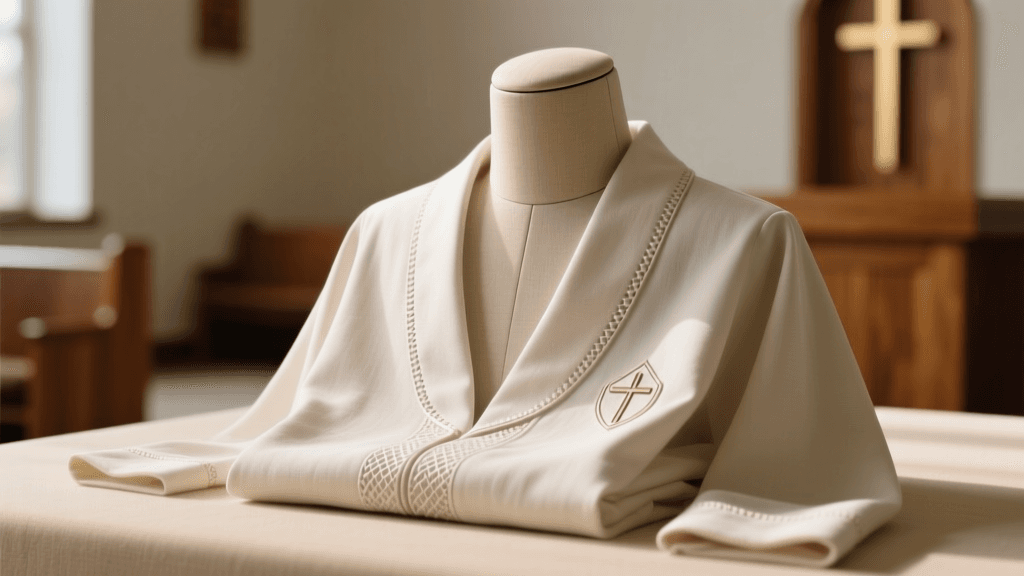
LDS Temple Garments 2026: Religious Meaning and Modern Styles

Introduction to LDS Temple Garments
For members of The Church of Jesus Christ of Latter-day Saints, the temple garment is far more than a simple article of clothing; it is a profound, sacred symbol of faith, commitment, and spiritual identity. Often referred to in broader cultural parlance as 'Mormon garments' or 'LDS garments,' these specialized undergarments are worn by adult members who have participated in the sacred ordinances of the Latter-day Saint temple. As we navigate the cultural and religious landscape of 2026, understanding the deep significance, evolving designs, and daily realities of wearing the temple garment provides a unique window into the lived experience of millions of Latter-day Saints across the Americas and the globe.
While outsiders have historically viewed the garment with curiosity or misunderstanding, members revere it as a personal, private reminder of the covenants they have made with God. This comprehensive guide explores the religious meaning, cultural significance, and the highly modernized 2026 styles of the LDS temple garment, offering an authoritative look at one of the most distinct religious clothing traditions in the Americas.
The Sacred Origins and Religious Meaning
The practice of wearing sacred clothing is not unique to Latter-day Saints; it has roots in ancient religious traditions, including the priestly garments described in the biblical book of Exodus. In the context of the Latter-day Saint restoration, the modern temple garment was introduced by Joseph Smith in the early 1840s in Nauvoo, Illinois, in conjunction with the introduction of the temple endowment ceremony. According to the Church Newsroom, the garment serves as a tangible reminder of the covenants made within the temple, offering spiritual protection and a constant, physical connection to the divine throughout the wearer's daily life.
Wearing the garment is considered a privilege and a responsibility. It is not viewed as a magical talisman that grants physical immunity from harm, but rather as a spiritual armor that helps the wearer resist temptation, remain mindful of their religious commitments, and maintain a standard of modesty and moral purity in a secular world.
The Symbolism of the Markings
One of the most deeply sacred aspects of the temple garment is the inclusion of specific woven or embroidered marks, which were originally patterned after the garments worn by ancient priests. While the exact nature of these marks is considered sacred and is generally not discussed in casual or public settings by members, their general symbolic meanings have been outlined in Church teachings and historical manuals:
- The Compass (V-shape): Symbolizes the compass of the Lord, pointing the way toward truth and an undeviating course of righteousness.
- The Square (L-shape): Represents the square of virtue, reminding the wearer of exactness, honor, and the importance of keeping their life squared with the teachings of the Gospel.
- The Navel Mark: A reminder of the need for continuous spiritual nourishment and the importance of the law of chastity and the creation of life.
- The Knee Mark: Symbolizes reverence, the importance of prayer, and the willingness to bow the knee in submission to the will of God.
These markings transform a simple piece of fabric into a wearable sanctuary, allowing the wearer to carry the sanctity of the temple into their workplaces, homes, and communities.
Cultural Significance in Contemporary Society
In 2026, the cultural significance of the temple garment extends beyond personal piety; it acts as a powerful marker of communal identity and boundary maintenance. For many Latter-day Saints, the decision to wear the garment is a pivotal rite of passage that signifies a transition into deeper religious adulthood. It creates a shared, unifying experience among endowed members, fostering a sense of global community that transcends national and linguistic borders.
However, wearing the garment in contemporary society also requires navigating unique cultural challenges. In an era where fashion trends often emphasize minimalism, sheer fabrics, and revealing cuts, garment-wearing members must thoughtfully curate their outer wardrobes to accommodate the modesty standards required by the garment. This often leads to a distinct 'LDS fashion' subculture, particularly prominent in regions with high Latter-day Saint populations like Utah, Idaho, and parts of the American West, where clothing brands specifically design outerwear tailored to fit seamlessly over modern garment styles.
Furthermore, the digital age has prompted a shift in how members discuss the garment. While historically shrouded in strict silence, many younger Latter-day Saints in 2026 are engaging in respectful, educational dialogues online to demystify the garment, combat internet misinformation, and share the deeply personal, positive impact the garment has on their mental and spiritual well-being.
The Evolution of Garment Design: What is Available in 2026?
Historically, temple garments were simple, one-piece union suits made of heavy cotton or wool. Over the decades, they evolved into the two-piece sets (a top and bottom) that are standard today. By 2026, the Church's distribution system has embraced advanced textile technologies and inclusive sizing, ensuring that the garment is accessible, comfortable, and practical for a diverse global membership.
Recent years have seen a massive expansion in women's specific designs. Recognizing that women's outerwear varies wildly in neckline and sleeve length, the 2026 lineup features an array of women's garment tops, including scoop necks, v-necks, high-necks, and cap-sleeve options, many featuring delicate, modest lace trims that prevent visible lines under modern clothing. For men, the 2026 catalog includes specialized athletic garments with longer inseams, reinforced stitching, and advanced moisture-wicking properties designed for high-intensity activities and hot climates.
2026 Garment Styles and Fabric Comparison Table
The following table outlines the primary fabric and style options available through official Church Distribution channels in 2026, highlighting the diverse needs of the modern wearer.
| Garment Style / Fabric | Best Use Case | Material Composition | 2026 Approx. Price (Per Piece) |
|---|---|---|---|
| Classic Cotton | Everyday wear, sensitive skin | 100% Combed Cotton | $8.50 - $9.50 |
| Performance Modal | Office wear, warm climates | 95% Modal / 5% Spandex | $11.00 - $12.50 |
| Athletic Dry-Fit | Sports, gym, high-heat outdoor | Polyester / Spandex Blend | $13.00 - $14.50 |
| Women's Lace Trim | Professional wear, formal attire | Cotton / Nylon / Spandex | $12.00 - $13.50 |
| Maternity & Nursing | Pregnancy, postpartum | Stretch Cotton / Modal | $14.00 - $16.00 |
Purchasing, Wearing, and Respectful Disposal
Unlike ordinary clothing, temple garments cannot be purchased at standard retail stores. They are exclusively available through authorized Church Distribution centers, Deseret Book locations, and the official online Church Distribution Store. To purchase garments, members must have an active Church account that verifies their endowed status, ensuring that the sacred nature of the clothing is respected and maintained.
Caring for the garment is treated with the same respect as wearing it. While they can be washed and dried alongside regular laundry, members are taught to handle them reverently. When a garment becomes worn out, stained beyond use, or damaged, it cannot simply be thrown into a public trash receptacle. According to the guidelines outlined in the General Handbook of the Church, members must carefully cut out and destroy the sacred markings before disposing of the remaining fabric. In recent years, the Church has also clarified that if the garment is in good condition but no longer fits or is no longer needed, the markings can be removed, and the remaining fabric can be respectfully donated to those in need or repurposed as cleaning cloths, reflecting a growing emphasis on sustainability and waste reduction in 2026.
Conclusion
The LDS temple garment remains one of the most defining and deeply cherished elements of Latter-day Saint religious life. Far from being an archaic relic, the garment has thoughtfully adapted to the realities of the 21st century, offering modern fabrics, inclusive designs, and practical styles for 2026 while entirely preserving its sacred, ancient symbolism. For the millions of members who wear it daily, the garment is a quiet, constant companion—a wearable sanctuary that bridges the gap between the sacred space of the temple and the everyday demands of the modern world. Understanding the profound religious meaning and cultural weight of the garment is essential for anyone seeking to comprehend the rich tapestry of American religious traditions and Indigenous-adjacent spiritual practices born in the Americas.