LDS Temple Garments in 2026: Sacred Symbolism & Styles

The Sacred Thread: Understanding LDS Temple Garments
Across the Americas and the globe, traditional and religious clothing serves as a profound outward expression of inward devotion. From the Jewish tallit to the Islamic hijab, what believers wear often bridges the gap between the physical and the spiritual. For members of The Church of Jesus Christ of Latter-day Saints (often referred to as Mormons), this intersection of faith and fabric is found in the temple garment. Far from being a mere undergarment, the temple garment is a deeply sacred textile, rich in Abrahamic symbolism and worn as a daily, private reminder of covenants made with God.
As we navigate the cultural and religious landscape of 2026, the temple garment remains a cornerstone of Latter-day Saint identity. Yet, the physical construction of these garments has evolved significantly from the heavy wool and unbleached cotton of the 19th century. Today, the Church’s Distribution Services offers a highly specialized, modern catalog of garments designed to accommodate diverse climates, active lifestyles, and even adaptive needs, all while strictly preserving the sacred marks and modesty requirements essential to their religious meaning.
The Deep Symbolism Woven Into the Fabric
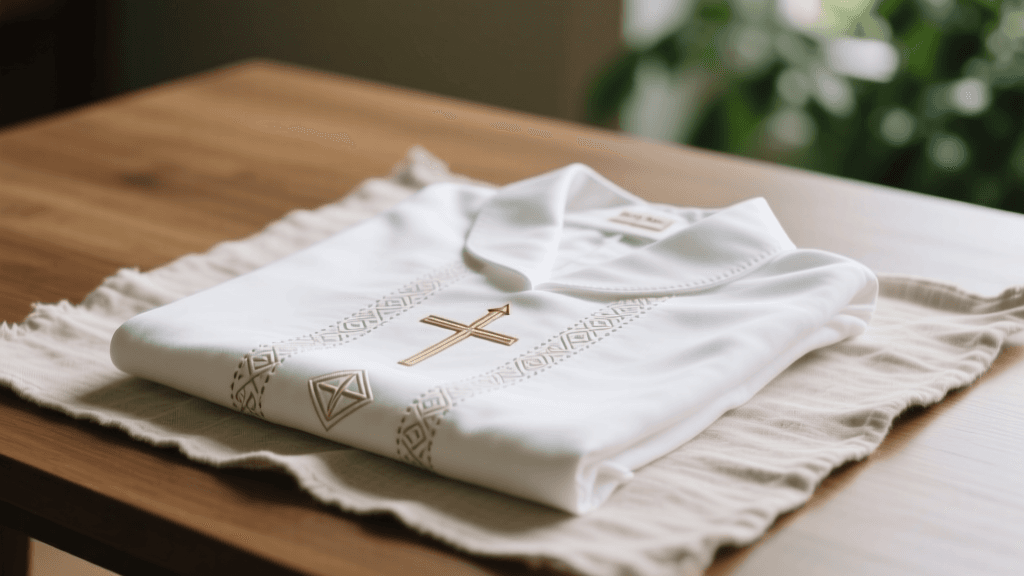
To understand the cultural significance of the temple garment, one must look beyond the fabric to the subtle marks woven or embroidered into the textile. According to the Encyclopedia of Mormonism, these marks are not magical talismans, but rather visual and tactile reminders of spiritual truths and ancient covenants. They connect modern Latter-day Saints to the Abrahamic traditions of antiquity.
- The Compass: Located on the left breast, this mark symbolizes the eternal truth and the moral compass that should guide a member's desires and actions toward eternal life.
- The Square: Positioned on the right breast, it represents virtue, honesty, and the importance of building one's life on a sure, moral foundation.
- The Navel Mark: A small mark near the midsection reminds the wearer of the need for continuous spiritual and physical sustenance, and the sacred nature of life and family.
- The Knee Mark: Located near the hem, this signifies the importance of prayer, humility, and the willingness to bow before God in reverence.
When a Latter-day Saint puts on the garment each morning, it is an act of spiritual armoring. It serves as a constant, physical boundary against the secular world, promoting modesty and mindfulness in every interaction.
2026 Fabric Innovations and Style Options
In 2026, the practical reality of wearing the garment daily requires textiles that perform under various conditions. The Church has continually updated its manufacturing processes to ensure members can honor their covenants without sacrificing comfort or health. Whether living in the humid climates of Central America, the freezing winters of Canada, or navigating an active lifestyle in the United States, there is a specialized garment available.
Current 2026 Fabric Lines
1. Classic Cotton-Poly Blend: The traditional choice. It offers breathability, durability, and a structured fit. It remains the most popular choice for everyday wear in temperate climates.
2. Micro-Modal Stretch: Introduced to meet the demand for softer, more form-fitting textiles, the modal-spandex blend drapes beautifully under modern, tailored clothing. It is highly favored by women in 2026 for its silky texture and resistance to shrinking.
3. Performance Athletic Mesh: Designed for high-output activities, this moisture-wicking, antimicrobial fabric is essential for members participating in sports, heavy labor, or living in tropical regions.
4. Adaptive and Sensory-Friendly Garments: A major milestone in 2026 is the expanded availability of adaptive garments. Featuring side-snap closures, tagless prints, and ultra-soft bamboo blends, these garments ensure that members with physical disabilities or sensory processing disorders can comfortably participate in temple covenants.
Comparison Chart: Choosing the Right 2026 Garment
| Fabric Type | Best Use Case | Climate Suitability | Care Instructions |
|---|---|---|---|
| Cotton-Poly Blend | Everyday wear, office settings | Temperate / Mild | Machine wash warm, tumble dry low |
| Micro-Modal Stretch | Form-fitting fashion, travel | All-Season | Machine wash cold, hang dry recommended |
| Performance Mesh | Athletics, outdoor labor, hiking | Hot / Humid / Tropical | Machine wash cold, do not use fabric softener |
| Bamboo Adaptive | Sensory sensitivities, limited mobility | All-Season | Gentle cycle cold, lay flat to dry |
Navigating Modern Modesty and Daily Life
The cultural significance of the garment directly influences the modesty standards of Latter-day Saints. Because the garment covers the torso and upper thighs, members naturally gravitate toward clothing that respects these boundaries. In 2026, fashion trends have fortunately shifted toward more modest, layered aesthetics, making it easier than ever for members to find stylish apparel that accommodates the garment without drawing unwanted attention.
For women, high-necked blouses, cap-sleeve dresses, and midi-skirts are staple wardrobe items. For men, untucked casual shirts, tailored polos, and knee-length shorts are standard. The goal is not to stand out as a religious minority, but to dress with dignity and respect for the sacred textile worn beneath.
Sourcing, Sizing, and Respectful Care
Temple garments are not sold in commercial retail stores; they are exclusively available through the Church’s official Distribution Services, either in-person at temple visitor centers or via the Church's secure online portal. To ensure the garment provides proper coverage, members are encouraged to use the Church's precise digital measuring guide available on the 2026 store app.
Proper Care and Disposal
Caring for the garment is an act of reverence. Bleach and harsh chemicals should be avoided, particularly on the modal and bamboo lines, as they degrade the fibers and obscure the sacred marks. When a garment becomes worn, stretched, or damaged, it must be disposed of respectfully. The official Church Newsroom outlines that members should carefully cut out the sacred marks and destroy them. The remaining fabric can be discarded in the trash, but garments should never be donated to thrift stores or given to those who do not understand their sacred nature.
Cultural Etiquette: Discussing the Garment
For those outside the faith, the temple garment is often misunderstood, sometimes dismissively referred to in pop culture as 'magic underwear.' This characterization is deeply offensive to Latter-day Saints, as it reduces a sacred covenant to a caricature. As the Church's official temple resources emphasize, the garment is a private, deeply personal reminder of one's relationship with Jesus Christ.
If you are a researcher, journalist, or friend seeking to understand this aspect of Americas & Indigenous religious culture, approach the topic with the same respect you would afford a Native American ceremonial regalia or a Catholic priest's vestments. The garment is not meant for public display, debate, or casual handling. It is the quiet, unseen foundation of a Latter-day Saint's spiritual life—a sacred thread woven into the very fabric of their daily existence in 2026 and beyond.