NYC LA Garment Districts 2026: Textile Sourcing Guide

The Evolution of American Fashion Hubs in 2026
As we navigate the global fashion landscape in 2026, the American fashion hubs of New York City and Los Angeles remain the undisputed epicenters of textile sourcing, manufacturing, and design innovation. For independent designers, heritage brands, and those specializing in traditional or indigenous-inspired garments, understanding the distinct personalities of the Manhattan Garment District and the Los Angeles Fashion District is crucial. The days of simply walking into a warehouse and buying bolts of fabric are largely behind us. Today, sourcing traditional textiles—ranging from authentic Latin American weaves to Native American-inspired sustainable fibers—requires a strategic approach, an understanding of ethical compliance, and a deep knowledge of the local geography.
In this comprehensive 2026 guide, we will break down the exact streets, showrooms, and ethical considerations you need to know when sourcing traditional and indigenous textiles in America's two most vital fashion hubs. Whether you are looking for heavy-weight Andean alpaca wools, intricate Oaxacan embroidery, or sustainable selvedge denim, knowing where to look and how to negotiate in the current market will define the success of your upcoming collection.
Manhattan’s Garment District: Heritage and High-End Sourcing
The New York City Garment District, historically bounded by 34th and 42nd Streets from Fifth to Ninth Avenues, has undergone a massive transformation over the last decade. While the NYC Garment District Business Improvement District has fought hard to preserve manufacturing zoning laws, the area in 2026 is a hybrid of high-end fabric showrooms, tech-integrated sampling labs, and specialized importers. For designers focusing on premium traditional garments, Manhattan is the premier destination for high-quality, small-batch sourcing.
Sourcing Traditional and Artisanal Fibers in NYC
New York is unmatched when it comes to luxury natural fibers and heritage weaves. Showrooms in the upper 30s specialize in imported European and South American textiles. If you are designing winter collections that require authentic Andean alpaca, vicuña blends, or heavy Mexican manta cloth, you will find specialized importers nestled in the historic loft buildings along 38th and 39th Streets. Unlike the fast-fashion jobbers of the West Coast, Manhattan showrooms in 2026 prioritize traceability. Many top-tier suppliers now provide blockchain-verified certificates of origin, ensuring that the indigenous artisans who wove the textiles were compensated fairly and that the materials are genuinely sourced from their respective regions.
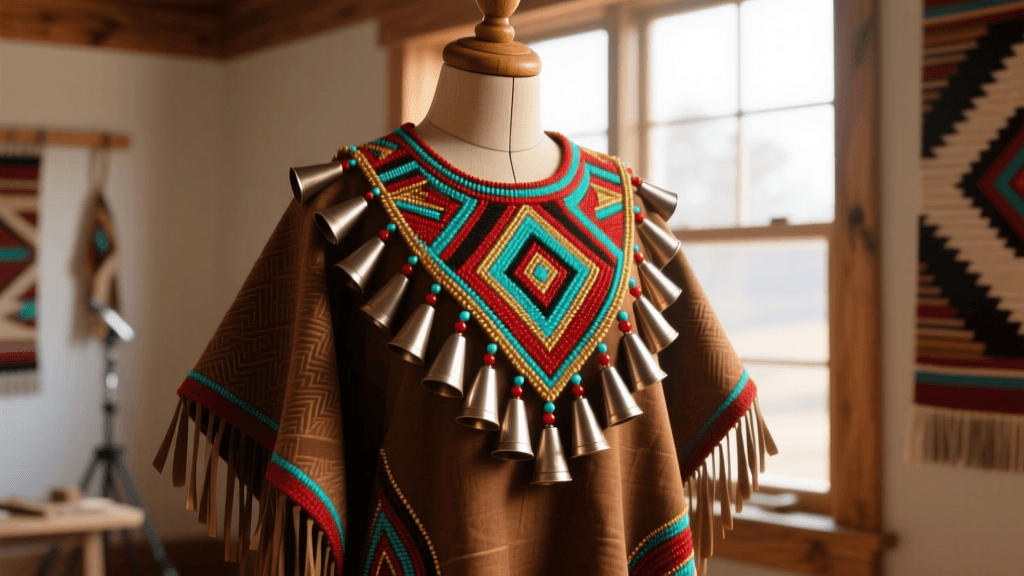
Furthermore, the district has seen a surge in collaborative spaces where Native American and Indigenous Canadian designers host seasonal pop-up showrooms. These spaces are invaluable for networking and sourcing authentic materials like sustainably harvested sweetgrass weaving bases, hand-tanned deer hides, and naturally dyed porcupine quills, all of which are heavily regulated and best sourced through verified community cooperatives.
Los Angeles Fashion District: Latin American Imports and Denim
Spanning over 100 blocks, the Los Angeles Fashion District is a sprawling, vibrant maze that operates at a completely different frequency than Manhattan. Bounded roughly by 3rd and 12th Streets, and Main and Alameda, the LA district is the undisputed king of streetwear, denim, and, most importantly for our readers, Latin American textile imports. In 2026, the corridor along Maple Avenue and Pico Boulevard is the primary artery for designers seeking traditional Mexican, Guatemalan, and Andean textiles.
Navigating the Latin American Textile Corridors
Los Angeles serves as the primary North American distribution hub for traditional Latin American garments and raw textiles. Here, you can source everything from authentic Zapotec wool rugs and heavy embroidered rebozos to lightweight Guatemalan huipil fabrics. The jobbers in the LA Fashion District often import directly from artisan cooperatives in Oaxaca, Chiapas, and the highlands of Guatemala. For designers incorporating these vibrant, culturally rich textiles into contemporary silhouettes, the sheer volume and variety available in LA are unparalleled.
However, the sheer scale of the LA district requires a tactical approach. The Maple corridor is dense with wholesale vendors, and finding the genuine, hand-loomed articles requires a trained eye. In 2026, many authentic indigenous weavers have partnered with LA-based ethical import agencies that operate out of the historic California Mart building. These agencies act as liaisons, ensuring that the traditional motifs you are purchasing are not mass-produced knock-offs printed on synthetic blends, but rather genuine, hand-woven pieces created by indigenous artisans using traditional backstrap looms.
Ethical Sourcing: Protecting Indigenous and Traditional Designs
One of the most critical aspects of sourcing traditional garments and textiles in 2026 is navigating the legal and ethical frameworks that protect indigenous intellectual property. Cultural appropriation remains a significant issue in the fashion industry, and both the NYC and LA districts have cracked down on the sale of counterfeit indigenous goods.
"Designers must be vigilant in ensuring that any Native American-inspired goods they source or produce comply with federal regulations, respecting the cultural heritage and economic rights of indigenous communities."
In the United States, the Indian Arts and Crafts Act (IACA) is a truth-in-advertising law that prohibits misrepresentation in the marketing of Indian arts and crafts products. According to the Indian Arts and Crafts Board, it is illegal to offer or display for sale any art or craft product in a manner that falsely suggests it is Indian-produced, an Indian product, or the product of a particular Indian or Indian Tribe. When sourcing materials in the NYC or LA garment districts that feature Native American motifs, beadwork, or traditional weaving patterns, you must demand documentation proving the indigenous origin of the goods. Reputable showrooms in 2026 will readily provide IACA compliance certificates and direct contact information for the tribal cooperatives they partner with.
2026 District Comparison: NYC vs. LA
To help you plan your sourcing trips, we have compiled a comprehensive comparison chart detailing the core differences between the Manhattan Garment District and the Los Angeles Fashion District as of 2026.
| Feature | Manhattan Garment District (NYC) | Los Angeles Fashion District (LA) |
|---|---|---|
| Primary Specialty | High-end luxury fabrics, European imports, sustainable tech-fibers, premium leathers. | Denim, streetwear, Latin American imports, mass-market knits, fast-fashion jobbers. |
| Indigenous Textiles | Native American/First Nations cooperative pop-ups, premium Andean wools, luxury hide. | Authentic Mexican/Guatemalan weaves, Oaxacan embroidery, Latin American artisan cooperatives. |
| Price Point | High to Premium. Focus on quality and exclusivity. | Low to Moderate. Focus on volume and competitive wholesale pricing. |
| Minimum Order (MOQ) | Generally higher (50-100+ yards), though some showrooms offer sampling cuts. | Very flexible. Many jobbers sell by the roll or offer low MOQs for startups. |
| Vibe & Navigation | Vertical. Showrooms are in high-rises; requires appointments and elevator hopping. | Horizontal. Sprawling street-level storefronts; highly walkable but physically exhausting. |
Must-Visit Showrooms for Traditional and Artisanal Textiles
While the landscape of vendors shifts, a few cornerstone establishments and areas remain vital for designers focusing on traditional and indigenous textiles in 2026:
- Mood Fabrics (NYC & LA): While known globally, both flagship locations have expanded their "Heritage and Artisan" sections in 2026, featuring curated selections of hand-loomed ikats, traditional African wax prints, and Latin American jacquards.
- The California Mart (LA): Located on 9th Street, this historic building houses several ethical import agencies specializing in fair-trade textiles from Central and South America. It is the best starting point for designers looking to source authentic huipil fabrics in bulk.
- Spandex House (NYC): Essential for designers blending traditional aesthetics with modern performance wear. Their 2026 catalog includes sustainable, recycled compression fabrics that are ideal for indigenous-inspired athletic and dance regalia.
- Maple Avenue Corridor (LA): Not a single showroom, but a dense strip of independent importers specializing in Mexican manta, serape blankets, and heavy-duty canvas perfect for workwear and heritage outerwear.
Actionable Sourcing Strategies for 2026
To maximize your time and budget in these massive hubs, keep these modern sourcing strategies in mind:
1. Leverage Digital Lookbooks Before You Fly
In 2026, almost all major showrooms in NYC and reputable importers in LA utilize digital swatch libraries and AI-driven inventory trackers. Before booking a flight, request access to their digital B2B portals. This allows you to filter for specific traditional weaves, natural dyes, or indigenous cooperative partnerships, ensuring you only visit showrooms that carry exactly what you need.
2. Understand the Cash vs. Credit Landscape
While Manhattan showrooms operate almost exclusively on B2B credit terms and digital invoicing, the LA Fashion District still has a robust cash-and-carry culture. Many of the best deals on Latin American imported textiles on Pico Boulevard are negotiated in person, and offering immediate digital payment or cash can often secure you a 10% to 15% discount on deadstock artisan rolls.
3. Bring a Physical and Digital Mood Board
When communicating with jobbers and showroom managers, language barriers and terminology differences can lead to costly mistakes. Bring a physical mood board with high-resolution images of the exact traditional garment you are referencing, alongside a digital tablet with Pantone color codes and technical weave specifications. This is especially important when sourcing complex items like Guatemalan brocade or Navajo-style geometric weaves, where a slight variation in the pattern can change the cultural significance of the textile.
By understanding the unique rhythms, ethical requirements, and specialized offerings of both the NYC and LA garment districts, designers in 2026 can source traditional and indigenous textiles with respect, authenticity, and unparalleled quality. Whether you are scaling a heritage brand or launching a debut collection rooted in cultural appreciation, these American fashion hubs hold the fabrics necessary to bring your vision to life.