LDS Temple Garments 2026: Sacred Meaning & Modern Fabric Guide
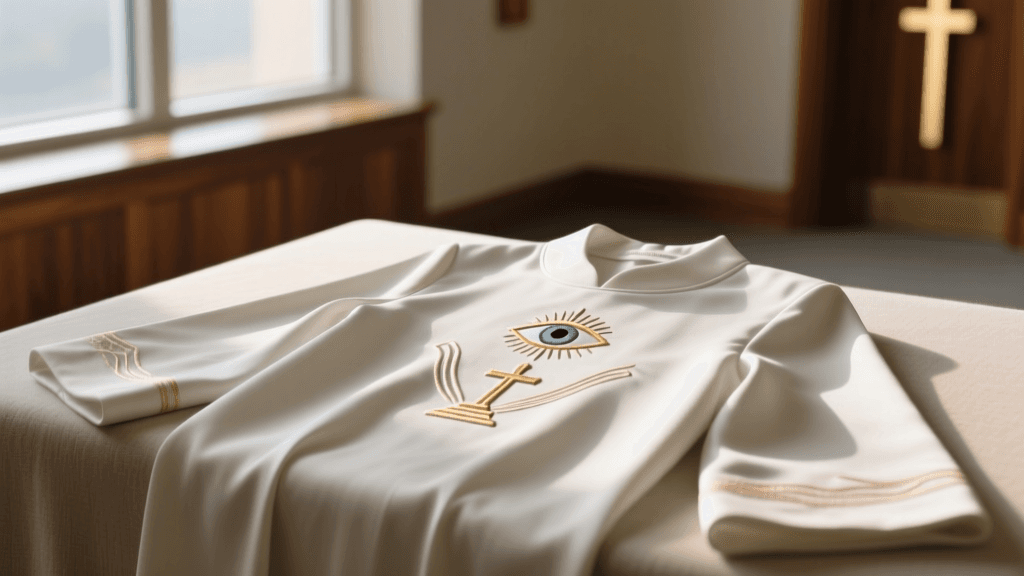
The Intersection of Faith and Textile Engineering
For members of The Church of Jesus Christ of Latter-day Saints, the temple garment represents a profound intersection of ancient religious covenants and daily, practical living. Far more than a simple undergarment, it serves as a constant, tangible reminder of sacred promises made in the temple. As we navigate the climate demands and fashion landscapes of 2026, the evolution of temple garments highlights a fascinating blend of deep spiritual reverence and cutting-edge textile engineering. This comprehensive guide explores the cultural significance, religious meaning, and the modern 2026 fabric innovations that allow millions of Latter-day Saints to honor their faith comfortably across the globe.
The Sacred Symbolism of the Temple Garment
To understand the cultural weight of the garment, one must first understand its religious purpose. According to the Church's General Handbook, garments are worn by adult members who have participated in the temple endowment ceremony. They serve as a reminder of the covenants made with God, acting as a form of spiritual armor that helps the wearer resist temptation and maintain modesty.
The garment features specific woven marks that hold deep symbolic meaning, pointing the wearer toward Jesus Christ and the blessings of the Atonement. While the exact nature of these symbols is considered sacred and is not discussed in casual or public settings, their presence transforms a basic textile into a holy vestment. Culturally, wearing the garment creates an unspoken, global bond among Latter-day Saints. Whether a member is navigating the bustling streets of New York City, enduring the freezing winters of Alberta, or working in the humid climates of Brazil, the garment serves as a unifying, private anchor to their faith.
2026 Fabric Innovations: Comfort Meets Covenant
Historically, garments were made from heavy, rigid cottons that resembled the union suits of the 19th and early 20th centuries. Today, Church Distribution channels have embraced advanced textile science to ensure that the sacred requirements of the garment do not compromise physical comfort in extreme environments. The 2026 lineup of temple garments reflects a massive leap forward in moisture management, sustainability, and stretch technology.
Members in 2026 can choose from a highly specialized range of fabrics, each engineered for specific climates and lifestyle needs. The shift toward eco-friendly modal blends and high-performance synthetic meshes has revolutionized how members experience daily wear, reducing chafing and heat exhaustion in tropical regions while maintaining the required modesty boundaries.
2026 Garment Fabric Comparison Chart
| Fabric Type (2026 Lineup) | Best Climate / Use Case | Breathability & Stretch | Approx. Price (USD) |
|---|---|---|---|
| 100% Classic Cotton | Temperate climates; sensitive skin | Moderate breathability; low stretch | $8.50 - $9.50 |
| Cotton-Modal Blend | Year-round daily wear; office settings | High breathability; excellent drape | $10.00 - $11.50 |
| Performance Mesh | Extreme heat, high humidity, athletics | Maximum airflow; high moisture-wicking | $12.00 - $13.50 |
| Stretch Microfiber | Cold climates (worn under thermals) | Form-fitting; retains body heat | $11.00 - $12.50 |
Modesty, Culture, and Modern Silhouettes
The religious mandate for modesty directly influences the outerwear choices of Latter-day Saints. The garment dictates a baseline for modesty: it must cover the shoulders, the midriff, and the upper thighs. In 2026, the Church offers an extensive array of silhouettes to accommodate modern fashion trends while strictly maintaining these sacred boundaries. For women, options include the classic crew neck, the versatile V-neck (ideal for modern blouse necklines), and cap-sleeve or Bermuda-length bottoms that prevent the garment from peeking out beneath contemporary skirts and dresses.
For men, the 2026 catalog includes deep V-necks designed to remain hidden beneath unbuttoned casual shirts, as well as longer inseam Bermuda bottoms that cater to the modern athletic build and prevent riding up during physical activity. This adaptability is crucial. It allows young professionals, athletes, and fashion-conscious members to participate fully in contemporary culture without compromising their religious commitments. The cultural significance here is profound: the garment is not meant to isolate members from society, but rather to allow them to engage with the world while carrying their spiritual commitments beneath their everyday attire.
Global Sizing and the 2026 Fit Guide
Because the garment is meant to fit snugly but comfortably—acting as a second skin rather than a restrictive layer—accurate sizing is essential. The 2026 sizing charts available through the official Church Distribution store have been updated to reflect a more inclusive, global range of body types, offering extended sizes and specialized maternity panels.
Actionable Measuring Tips for 2026
- Chest/Bust: Measure around the fullest part of the chest, keeping the tape measure level and snug but not tight.
- Waist: For women, measure the natural waistline. For men, measure where the trousers naturally sit.
- Hips/Inseam: When choosing between regular and Bermuda lengths, consider your outerwear. If you frequently wear knee-length skirts or shorts, the Bermuda inseam (which extends closer to the knee) is highly recommended to maintain the modesty line.
- Shrinkage Factor: While 2026 modal and performance fabrics are pre-shrunk, 100% cotton garments may experience slight shrinkage. If you are between sizes in cotton, sizing up is often the most comfortable choice.
Care, Maintenance, and Respectful Retirement
Treating the garment with respect extends to how it is laundered, repaired, and eventually retired. Culturally, members are taught to handle the garment with the same reverence they would afford any sacred item. In 2026, the advanced fabrics require specific care to maintain their moisture-wicking properties and elasticity.
Laundering: Performance meshes and modal blends should be washed in cold water with mild detergents. Bleach and fabric softeners must be strictly avoided, as they degrade the synthetic fibers and ruin the moisture-wicking capabilities. Tumble drying on low heat or air drying is recommended to preserve the elastic integrity of the 2026 textiles.
Repair and Retirement: Members are encouraged to mend small tears or replace elastic when possible. However, when a garment becomes too worn, thin, or damaged to be repaired, it must be retired respectfully. According to current Church guidelines, the sacred marks must be carefully cut out and destroyed (often by shredding or burning the specific fabric panels containing the symbols) to ensure they are never discarded in a way that could be treated with disrespect. The remaining, unmarked fabric can then be disposed of in the regular trash or repurposed as cleaning rags. This meticulous process of retirement underscores the deep religious meaning embedded in the textile; it is never treated as mere clothing, even at the end of its physical lifespan.
Conclusion
The LDS temple garment in 2026 stands as a remarkable testament to the harmony between ancient faith and modern innovation. By leveraging advanced textile engineering, the Church ensures that its members can honor their sacred covenants comfortably, regardless of the climate or lifestyle demands they face. Understanding the cultural significance, the strict modesty guidelines, and the proper care of these garments offers a unique window into the lived, daily experience of millions of Latter-day Saints around the world. It is a garment that speaks quietly, hidden beneath the surface, yet it shapes the moral and spiritual posture of the wearer every single day.