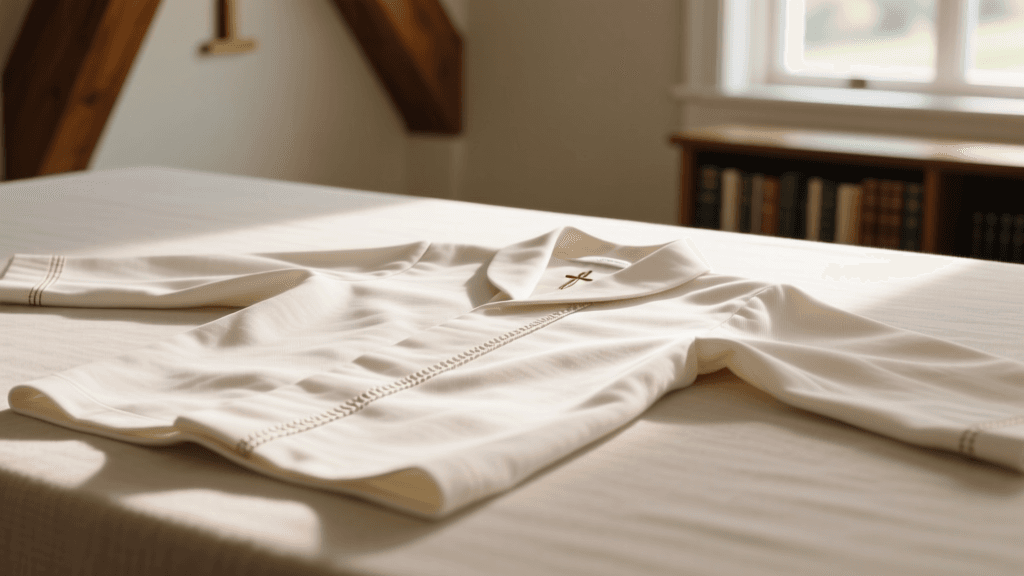
LDS Garment Styles & Materials: 2026 Modern Updates
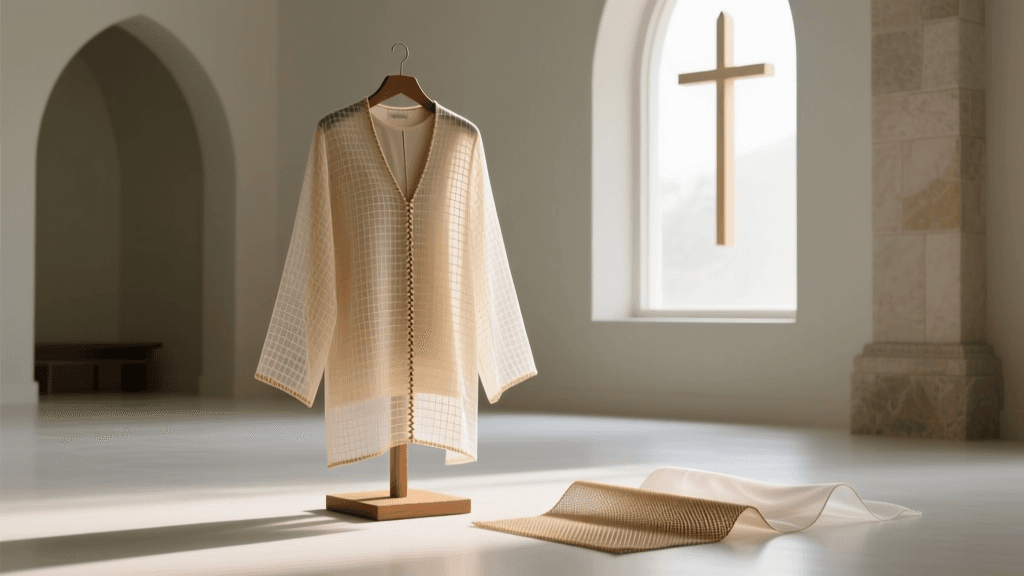
The Evolution of LDS Temple Garments in 2026
For members of The Church of Jesus Christ of Latter-day Saints, the temple garment is a sacred reminder of covenants made with God. Historically, these garments were crafted from heavy cotton or wool union suits. However, as we navigate 2026, the intersection of reverence and modern textile engineering has resulted in an unprecedented variety of LDS garment styles and materials. Today's endowed members can choose from advanced moisture-wicking meshes, sustainable bamboo blends, and ultra-soft microfibers, all while strictly adhering to the Church's modesty and design guidelines.
According to the Church's official teachings, the garment serves as a personal and private reminder of the covenants made in the temple, offering spiritual protection and encouraging modesty in dress and lifestyle True to the Faith: Temples. While the sacred markings and the fundamental coverage requirements remain unchanged, the 2026 fabric innovations address the diverse climates, active lifestyles, and sensory needs of a global membership.
Official Distribution vs. Approved Third-Party Makers
When purchasing garments in 2026, members generally have two avenues: the official Church Distribution Services and approved third-party retailers. The Church Store offers the standard lines, which have been significantly updated over the last few years to include more breathable options. Approved third-party makers, who must submit their designs and fabrics to Church headquarters for strict approval, often pioneer niche fabrics like specialized athletic compression or ultra-lightweight bamboo for sensitive skin.
Both avenues ensure that the sacred marks are placed exactly according to current temple instructions, and that the neckline, sleeve, and hem lengths meet the established modesty standards. The primary difference lies in the proprietary fabric blends and specialized cuts (such as maternity or specific athletic fits) that third-party vendors might offer to fill specific market needs.
Comprehensive 2026 Fabric Comparison Chart
Choosing the right material is highly dependent on your local climate, daily activity level, and skin sensitivity. Below is a detailed comparison of the primary fabric options available in 2026.
| Fabric Type | Typical Composition | Best Suited For | Breathability | Durability & Care |
|---|---|---|---|---|
| 100% Cotton | 100% Combed Cotton | Sensitive skin, traditionalists, cooler climates | High | Moderate; may shrink, requires gentle drying |
| Poly-Cotton Blend | 50% Polyester / 50% Cotton | Everyday wear, budget-conscious, mixed climates | Medium-High | High; resists shrinking and wrinkling |
| Performance Mesh | Polyester / Spandex Micro-Mesh | Hot/humid climates, summer wear, layering | Very High | Very High; quick-drying, lightweight |
| Bamboo Viscose | Bamboo Viscose / Cotton / Spandex | Eco-conscious members, sensory sensitivities | High | Moderate; requires cold wash, prone to pilling if overheated |
| Moisture-Wicking Athletic | Nylon / Elastane Performance Blend | Athletes, outdoor workers, high-sweat environments | Medium (Wicks sweat) | High; retains shape, resists odor |
Deep Dive into Modern Fabric Technologies
Bamboo and Eco-Friendly Blends
In 2026, sustainability and skin health are major priorities for many consumers, and LDS garment makers have responded. Bamboo viscose blends have surged in popularity due to their natural hypoallergenic properties, incredible softness, and temperature-regulating capabilities. For members living in tropical or highly humid regions, bamboo garments offer a cool-to-the-touch sensation that traditional cotton simply cannot match. Furthermore, bamboo fibers possess natural antimicrobial properties, which helps keep the garments fresh throughout long days of travel or temple service.
Ultra-Lightweight Mesh for Active Lifestyles
The introduction of advanced micro-mesh fabrics has been a game-changer for members living in equatorial climates or those who wear multiple layers for professional attire. The 2026 mesh iterations are remarkably sheer yet durable, providing the necessary coverage without adding bulk or thermal insulation. These garments are practically weightless, making them the preferred choice for wearing under lightweight summer dresses, thin linen shirts, or formal wear where visible panty lines or bulky hems would be a concern.
Moisture-Wicking Athletic Options
For members engaged in rigorous physical activity, construction work, or competitive sports, standard cotton garments can become heavy and uncomfortable when soaked in perspiration. Modern moisture-wicking garments utilize capillary action to pull sweat away from the skin to the exterior of the fabric, where it evaporates rapidly. These athletic cuts often feature flatlock seams to prevent chafing during repetitive movements, ensuring that the sacred garment remains a comfort rather than a distraction during physical exertion.
Maternity and Adaptive Garment Innovations
One of the most welcomed updates in recent years, which has fully matured in the 2026 market, is the expansion of maternity and adaptive garment options. Expectant mothers can now find garments featuring expandable abdominal mesh panels that grow with the body, as well as specialized nursing tops that allow for discreet breastfeeding access without compromising the modesty of the neckline or sleeve length.
Additionally, adaptive garments designed for members with limited mobility or those who use wheelchairs have become more accessible. These designs incorporate discreet magnetic closures or specialized velcro seams that allow caregivers or individuals to dress more easily, ensuring that the blessings and comfort of the garment are accessible to all endowed members regardless of physical limitations.
Style Variations: Tops and Bottoms in 2026
Beyond fabric, the cut and style of the garment have evolved to accommodate modern fashion trends while maintaining modesty standards. The Church and approved retailers offer a wide matrix of options.
- Women's Tops: Options now include the traditional Crew Neck, the versatile V-Neck, the modern Scoop Neck, and the feminine Sweetheart neckline. Sleeve lengths range from standard cap sleeves to slightly elongated versions designed to remain hidden under short-sleeved blouses.
- Women's Bottoms: The classic Brief remains popular, but the Hipster and Boyshort cuts have become the standard for everyday wear, preventing visible lines under modern trousers. For active wear or warmer months, Capri and Mid-Thigh lengths provide excellent anti-chafing benefits.
- Men's Tops: Men typically choose between the classic Crew Neck and the V-Neck, with the latter being essential for wearing under unbuttoned collared shirts or casual tees.
- Men's Bottoms: The traditional Boxer and Brief are now joined by the highly popular Mid-Thigh and Extended Boxer styles, which offer superior support and prevent riding up during athletic activities or long hours at a desk.
Purchasing, Care, and Maintenance Guidelines
To purchase garments in 2026, endowed members can log into their official Church account online or visit a local Distribution Center. Third-party garments can be purchased directly from approved vendor websites, though members must verify their endowed status during checkout to comply with Church policies regarding the sale of sacred items.
Proper care is essential to maximize the lifespan of modern technical fabrics. While 100% cotton can withstand warmer water, the 2026 bamboo, mesh, and athletic blends require specific care routines:
- Wash in Cold Water: High heat breaks down elastane and spandex fibers, causing athletic and mesh garments to lose their shape and elasticity.
- Avoid Chlorine Bleach: Bleach not only degrades modern synthetic fibers but can also damage or fade the sacred markings. Use oxygen-based brighteners if necessary.
- Tumble Dry Low or Line Dry: To preserve the integrity of moisture-wicking treatments and bamboo softness, air drying is highly recommended. If using a dryer, select the lowest heat setting.
- Retire Respectfully: When garments become worn, thin, or damaged, they should be respectfully retired. The standard practice is to cut out the sacred markings (which are then destroyed or disposed of reverently) and discard the remaining fabric, or repurpose the fabric for cleaning rags if the markings are completely removed.
Conclusion
The landscape of LDS temple garments in 2026 reflects a beautiful balance between eternal covenants and modern innovation. Whether you prioritize the eco-friendly softness of bamboo, the featherlight breathability of micro-mesh, or the rugged durability of moisture-wicking athletic blends, there is a garment style perfectly suited to your lifestyle. By understanding the unique properties of these modern materials, endowed members can ensure their garments remain a comfortable, constant, and reverent reminder of their sacred promises throughout their daily lives.