Kimono Travel Essentials 2026: Packing Guide & Top Spots
The 2026 Resurgence of Kimono Travel
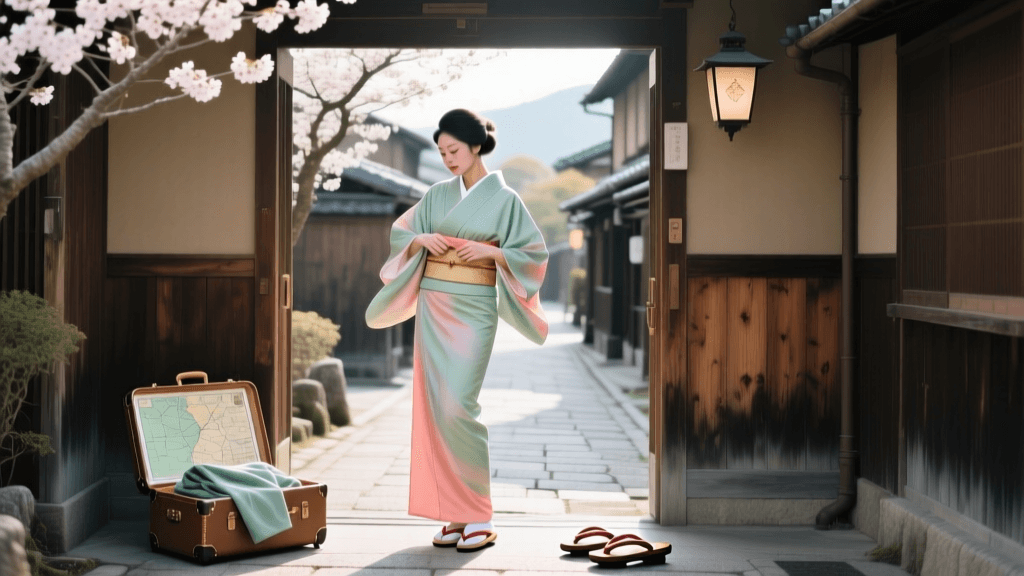
As global travelers increasingly seek meaningful, culturally immersive experiences in 2026, the traditional Japanese kimono has transcended its role as a mere souvenir photo opportunity. Today, wearing a kimono is about engaging with Japan's rich textile heritage, supporting local artisans, and participating in the 'slow travel' movement. Whether you are a dedicated textile collector planning to bring your own heirloom pieces or a first-time visitor looking to rent a vibrant silk komon, navigating Japan in traditional attire requires careful preparation.
In 2026, Japan's tourism infrastructure has evolved significantly to accommodate the booming interest in cultural dress. From advanced digital booking platforms for premium vintage rentals to new municipal crowd-control measures in historic districts, understanding the current landscape is essential for a seamless trip. This comprehensive guide covers exactly what to pack, how to care for delicate silks on the go, and the most breathtaking locations to wear your kimono this year.
To Pack or To Rent? A 2026 Cost & Convenience Analysis
One of the most common dilemmas for travelers is whether to pack their own kimono or rent one upon arrival. While bringing your own garment offers unparalleled authenticity and a perfect fit, it also demands meticulous packing and a deep understanding of dressing kits. Conversely, Japan's 2026 rental market is more sophisticated than ever, offering everything from budget-friendly polyester sets to museum-quality vintage silks.
| Category | Option | Estimated 2026 Cost | Pros | Cons |
|---|---|---|---|---|
| Footwear | Pack SOU・SOU Tabi | $45 USD | Perfect fit, hygienic, stylish | Takes up luggage space |
| Garment | Rent Standard Komon | 6,500 JPY (~$45) | No luggage, easy dressing | Generic patterns, synthetic fabrics |
| Garment | Rent Vintage Silk | 18,000 JPY (~$125) | Authentic, high-quality textiles | Fragile, strict return conditions |
| Care | Pack Travel Steamer | $60 USD | Wrinkle-free on the go | Adds weight to carry-on |
According to the Japan National Tourism Organization (JNTO), sustainable and culturally respectful travel is a major priority in 2026. Renting from local, family-operated shops in Kyoto directly supports the preservation of traditional dressing techniques and local economies, making it a highly recommended option for those who do not own their own garments.
The Ultimate Kimono Travel Packing Checklist
If you decide to bring your own kimono, or simply want to supplement your rental experience with personal accessories, your packing list must be curated for both garment preservation and travel efficiency. Here are the 2026 essentials for the kimono-clad traveler:
1. Split-Toe Tabi Socks
Never rely on rental shops for tabi socks; they are often not included or are of poor quality. Pack at least two pairs of high-quality, split-toe tabi. The Kyoto-based brand SOU・SOU offers modern, travel-friendly tabi with reinforced soles that provide excellent arch support for walking on cobblestone streets. Stick to crisp white for formal wear, or choose subtle indigo patterns for casual komon outings.
2. Portable Handheld Garment Steamer
Silk wrinkles notoriously in transit. A compact, dual-voltage handheld steamer is non-negotiable. The Panasonic NI-GSD090 is a favorite among 2026 travelers for its rapid heat-up time and delicate fabric settings. Avoid traditional ironing, as direct heat can scorch vintage silk and ruin intricate gold-leaf embroidery.
3. Silk-Safe Delicate Detergent
Accidents happen, especially when navigating street food stalls. Pack a travel-sized bottle of Soak Wash Scentless Delicate Detergent. This no-rinse formula is a lifesaver for spot-cleaning the hem of your kimono (the fukikae) or washing your tabi socks in a hotel sink without damaging the fibers.
4. Koshihimo (Waist Ties) and Datejime
While rental shops provide basic ties, bringing your own silk koshihimo and elastic datejime ensures a comfortable, secure fit that won't dig into your ribs during a full day of sightseeing. Modern elastic datejime with Velcro closures are highly recommended for their ease of use and adjustability.
5. Kimono Slip (Juban) and Collar (Han-eri)
The inner layers are crucial for hygiene and silhouette. Pack a lightweight, breathable cotton or synthetic juban. If you are traveling in the humid summer months, opt for a 'ro' (woven mesh) juban to maximize airflow and keep cool beneath the heavy outer layers.
Where to Wear: Navigating 2026 Scenic Routes
Choosing the right location is just as important as the garment itself. In 2026, popular tourist hubs have implemented new flow-control measures to protect historic infrastructure and improve the visitor experience. The Kyoto City Official Travel Guide highly recommends early morning or late afternoon visits to major cultural sites to avoid peak congestion and capture the best light for photography.
Higashiyama District, Kyoto
The iconic preserved streets of Ninenzaka and Sannenzaka remain the quintessential backdrop for kimono photography. However, in 2026, the local municipality has introduced 'quiet hours' in the early morning. Arriving at 7:30 AM not only allows you to beat the massive tour groups but also provides a serene, almost mystical atmosphere as the morning mist rolls off the tiled roofs. Pair your visit with a traditional matcha breakfast at a local kissaten (tea house) that opens early for kimono-clad guests.
Higashi Chaya District, Kanazawa
For a more relaxed, uncrowded alternative to Kyoto, Kanazawa is the premier destination for 2026. The Higashi Chaya geisha district offers stunning wooden teahouses and cobblestone alleys that look spectacular with a kimono. Kanazawa is also famous for its gold-leaf craftsmanship; many local studios now offer 'gold-leaf umbrella' rentals specifically designed to complement your kimono ensemble, providing both a stunning prop and protection from the unpredictable spring showers.
Kenrokuen Garden, Kanazawa
Recognized as one of Japan's top three landscape gardens, Kenrokuen offers sprawling, meticulously maintained grounds. The garden's design incorporates 'borrowed scenery,' making it an expansive canvas for showcasing the flowing sleeves (tamoto) of your kimono. In 2026, the garden has expanded its accessible pathways, making it easier to navigate while wearing restrictive wooden geta or zori sandals.
Seasonal Adaptations: Dressing for Japan’s 2026 Climate
Japan's distinct seasons dictate not just the color palette of your kimono, but the very fabric and layering techniques required for comfort. Dressing inappropriately for the season is considered a major faux pas in traditional Japanese fashion.
Spring and Autumn: The Awase Era
Spring (March to May) and Autumn (October to November) call for the 'awase' (lined) kimono. This is the most versatile and common type of silk kimono. In spring, opt for pastel hues featuring cherry blossoms or wisteria motifs. In autumn, transition to deep crimsons, burnt oranges, and maple leaf patterns. Always carry a lightweight silk haori (jacket) for brisk mornings and evenings.
Summer: Surviving the Humidity in Ro and Sha
Japan's summers are notoriously hot and humid. From June to August, the rules of modesty are relaxed in favor of breathability. You must wear a 'ro' or 'sha' kimono—sheer, loosely woven silks that allow the wind to pass through. These are worn with a sheer juban and a lightweight, unlined obi. For casual summer festivals, many travelers opt for a yukata (cotton summer kimono), which is much easier to pack, wash, and wear without the complex under-layers of formal silk.
Winter: Layering for Warmth
Winter in Kyoto and Kanazawa can be bitingly cold, and traditional silk offers zero insulation. The secret to winter kimono travel is modern layering. Wear thermal, moisture-wicking base layers (like Uniqlo's Heattech) beneath your juban. Add a velvet or wool haori over your kimono, and drape a luxurious silk shawl over your shoulders. In 2026, specialized kimono-friendly heat packs (kairo) that adhere to the inside of your juban rather than the delicate outer silk are widely available at Japanese convenience stores and are an absolute must-have for December and January travel.
Etiquette and Mindful Travel
Wearing a kimono in public spaces requires a mindful approach to movement and etiquette. Remember to walk with smaller, deliberate steps, keeping your knees close together. When sitting, always smooth the back of your kimono down first to prevent wrinkling, and sit shallowly on chairs to maintain the shape of your obi. When entering temples or traditional ryokan, be prepared to remove your zori sandals and step inside only in your tabi socks.
Ultimately, traveling with a kimono in 2026 is a deeply rewarding endeavor that bridges the gap between ancient craftsmanship and modern exploration. By packing smart, respecting local guidelines, and choosing your locations thoughtfully, you transform a simple vacation into a profound cultural dialogue, wrapped in the elegant folds of Japan's most iconic garment.