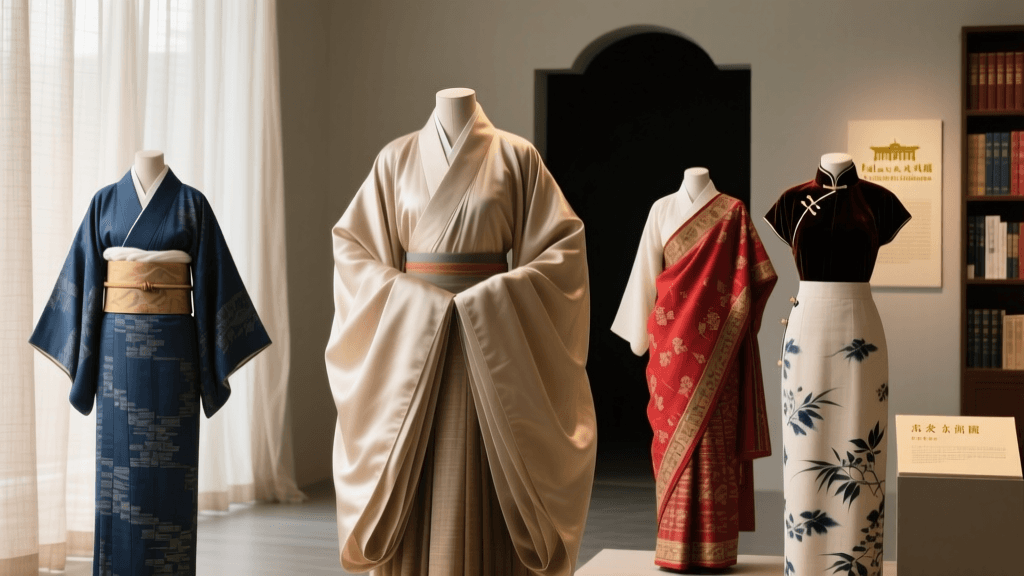
Kimono Silhouettes on Global Runways: 2026 Fashion Week Trends
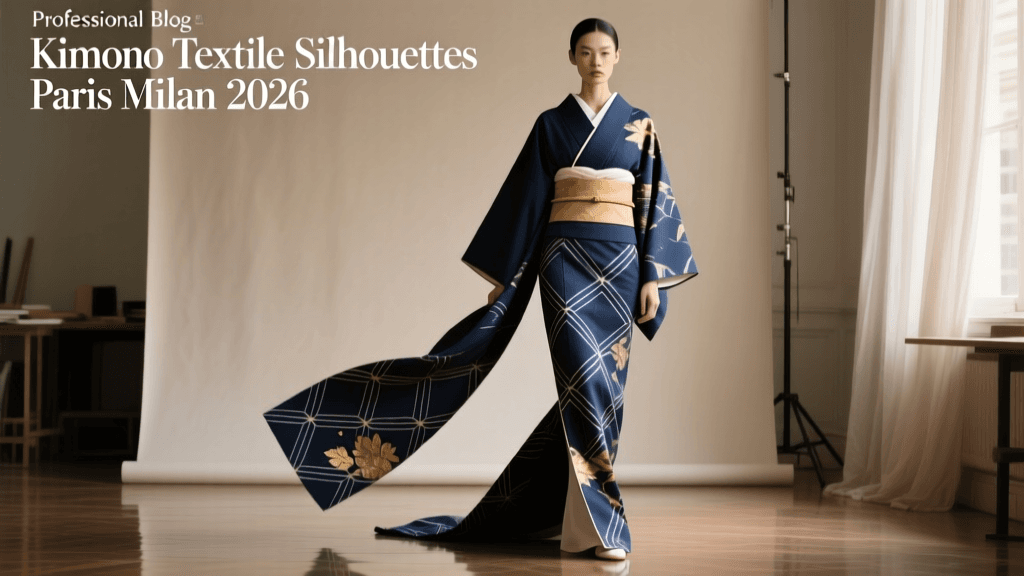
The Evolution of Kimono Influence in 2026
The global fashion landscape in 2026 has witnessed a profound maturation in how Eastern heritage garments are interpreted on Western runways. Moving far beyond the superficial orientalism and cultural appropriation that marred early 2000s and 2010s collections, the Spring/Summer and Fall/Winter 2026 shows in Paris and Milan have embraced a deeply respectful, structural, and collaborative approach to the Japanese kimono. Today’s top maisons are no longer merely slapping cherry blossom prints onto Western corsets; instead, they are deconstructing the very geometry, weaving techniques, and philosophical underpinnings of traditional Japanese dress.
This shift represents a monumental leap in cross-cultural fashion dialogue. Designers are now traveling to Kyoto, Kanazawa, and Tokyo to apprentice under master artisans, integrating centuries-old techniques into modern luxury. As documented by the Victoria and Albert Museum's seminal archive on kimono in global fashion, the garment has always possessed a fluid, dynamic relationship with international style. However, the 2026 runway season marks the first time that heritage preservation and zero-waste pattern cutting have become the primary drivers of kimono-inspired haute couture.
From Motif to Structure: A New Design Philosophy
Historically, European fashion houses treated the kimono as a costume or a source of exotic surface-level motifs. In 2026, the focus has shifted entirely to structure and materiality. The traditional kimono is essentially a masterclass in geometric, zero-waste design. Cut from a single bolt of fabric (the tanmono) measuring roughly 12 meters in length and 36 centimeters in width, the garment is constructed using straight lines and minimal cutting, ensuring that almost no fabric is wasted.
This inherent sustainability has made the kimono’s T-shaped silhouette a holy grail for 2026’s eco-conscious luxury houses. Designers like Stella McCartney and emerging avant-garde labels are utilizing continuous weaving technologies that mimic the tanmono bolt, creating wrap dresses and outerwear that require zero offcuts. The philosophy of Ma—the Japanese concept of negative space or the void between objects—is also heavily influencing 2026 tailoring. Rather than darting and tailoring fabric tightly to the body, designers are engineering garments that create architectural spaces around the wearer, allowing the fabric to drape, fold, and move with a life of its own.
Key Kimono Elements Dominating the 2026 Runways
Nishijin-ori and Yuzen Dyeing in Eveningwear
The textile hubs of Japan are experiencing a renaissance driven by international luxury demand. Nishijin-ori, the intricate, multi-layered brocade weaving technique native to Kyoto, has been featured prominently in Parisian eveningwear this year. However, the 2026 adaptation involves blending traditional metallic silk threads with innovative, lab-grown spider silk and recycled cupro to reduce the environmental impact while maintaining the fabric's legendary structural stiffness and luminous sheen.
Similarly, Kata-yuzen (stencil dyeing) and Tegaki-yuzen (hand-painted dyeing) are being utilized not just for floral patterns, but for abstract, contemporary art pieces on silk organza. European houses are commissioning Kanazawa dyeing ateliers to create bespoke, gradient-dyed textiles that mimic the fading of seasonal landscapes, a concept known as shun (the precise, fleeting moment of a season's peak).
Furisode Sleeve Architecture and T-Shaped Geometry
The dramatic, swinging sleeves of the furisode (the formal kimono worn by unmarried women) have been reimagined for 2026 ready-to-wear. Traditional furisode sleeves can weigh several kilograms, restricting movement. Modern runway adaptations utilize lightweight tech-organzas and hidden, flexible monofilament wiring to create voluminous, gravity-defying sleeves that mimic the drape of heavy silk without the physical burden. These sleeves are often designed as detachable elements, allowing a single garment to transition from a minimalist T-shaped tunic to a dramatic, ceremonial gown.
Obi-Inspired Corsetry and Kumihimo Caging
The obi, the wide sash used to secure the kimono, has historically been a symbol of status and wealth, often costing more than the kimono itself. On the 2026 runways, the structural rigidity of the Fukuro obi and Maru obi has been translated into avant-garde corsetry and waist-cinching outerwear. Designers are using molded leather, 3D-printed flexible boning, and stiffened raw denim to recreate the architectural box-like knots (such as the taiko musubi) at the small of the back, turning a traditional fastening method into a bold, sculptural statement.
Furthermore, Kumihimo—the traditional Japanese art of braiding silk cords—has moved from a hidden functional element to a primary design feature. Thick, hand-braided Kumihimo cords are being used as functional drawstrings, structural caging over slip dresses, and even as heavy, macramé-like fringe on the hems of 2026 winter coats.
Data Table: Traditional Garment vs. 2026 Runway Adaptation
| Traditional Element | 2026 Runway Adaptation | Material & Technique |
|---|---|---|
| Nishijin-ori Brocade | Structured Evening Coats | Metallic silk threads woven with recycled cupro warp |
| Furisode Sleeves | Detachable Opera Sleeves | Lightweight tech-organza with hidden monofilament framing |
| Maru Obi Sash | Architectural Corsetry | Molded vegan leather and 3D-printed flexible boning |
| Kumihimo Cords | Functional Caging & Fringe | Hand-braided peace silk and upcycled copper wire |
| T-Shaped Flat Cutting | Zero-Waste Wrap Dresses | Single-piece continuous weaving without offcuts |
Ethical Sourcing and Artisan Collaborations
As the demand for authentic Japanese techniques surges, the fashion industry is facing a critical challenge: the aging population of master artisans. According to data and preservation initiatives tracked by Japan's Agency for Cultural Affairs, many traditional weaving and dyeing villages are at risk of losing their intangible cultural properties as younger generations move to urban centers. In response, the most prestigious 2026 collections are not simply purchasing vintage textiles; they are establishing long-term, equitable partnerships with artisan cooperatives.
These collaborations ensure that master weavers and dyers are paid premium, living wages and are credited by name in runway show notes—a practice that was virtually nonexistent a decade ago. Luxury conglomerates are also funding apprenticeship programs in Kyoto and Niigata, ensuring that the physical looms and dyeing vats remain operational for future generations. This shift from extraction to investment is heavily documented in recent Vogue Business sustainability and artisan preservation reports, highlighting a new gold standard for cross-cultural fashion production.
Actionable Advice for Fashion Buyers and Stylists
For fashion professionals looking to integrate authentic kimono elements into their 2026 retail buys or editorial styling, a nuanced approach is essential. Here are specific, actionable strategies to ensure authenticity and respect:
- Verify the Provenance: When purchasing kimono-inspired luxury pieces, demand transparency regarding the textile's origin. Look for brands that explicitly name the weaving house or dyeing atelier in Kyoto, Kanazawa, or Yuki. Authentic Nishijin-ori will often come with a certificate of origin and the physical stamp of the weaving cooperative.
- Understand the Geometry: When styling T-shaped garments, avoid the temptation to artificially cinch or tailor the waist with hidden clips. The beauty of the 2026 kimono silhouette lies in its fluid, unstructured drape. Use authentic, modernized Kumihimo cords or subtle Obi-inspired leather belts to define the waist without destroying the garment's zero-waste geometric lines.
- Invest in Vintage Haori for Layering: For editorial shoots and personal styling, vintage silk haori (kimono jackets) remain one of the most versatile layering pieces available. In 2026, styling a heavy, vintage silk haori over a minimalist, monochromatic Western suit or a sleek slip dress creates a striking contrast of texture and era. Ensure the haori is stored flat, not hung, to prevent stress on the shoulder seams.
- Respect the Left-Over-Right Rule: When wrapping or styling any kimono-inspired wrap dress or jacket, always ensure the left panel crosses over the right panel. Crossing right-over-left is strictly reserved for dressing the deceased in Japanese funeral rites. While international runways sometimes play with this rule for avant-garde shock value, stylists should adhere to the traditional left-over-right convention to show cultural competence and respect.
Conclusion: A Lasting Sartorial Legacy
The 2026 global runway season has definitively proven that the kimono is not a relic of the past, nor is it a mere costume for Western appropriation. It is a living, breathing blueprint for the future of sustainable, architectural fashion. By embracing the zero-waste geometry of the T-shape, the breathtaking artistry of Nishijin-ori, and the structural genius of the obi, the global fashion industry is finally giving Japanese heritage the profound respect and collaborative platform it deserves. As we look toward the upcoming resort and pre-fall collections, the integration of these ancient techniques promises to continue pushing the boundaries of what luxury fashion can—and should—be.