Historical Kimono Imports & Trade Routes: 2026 Guide
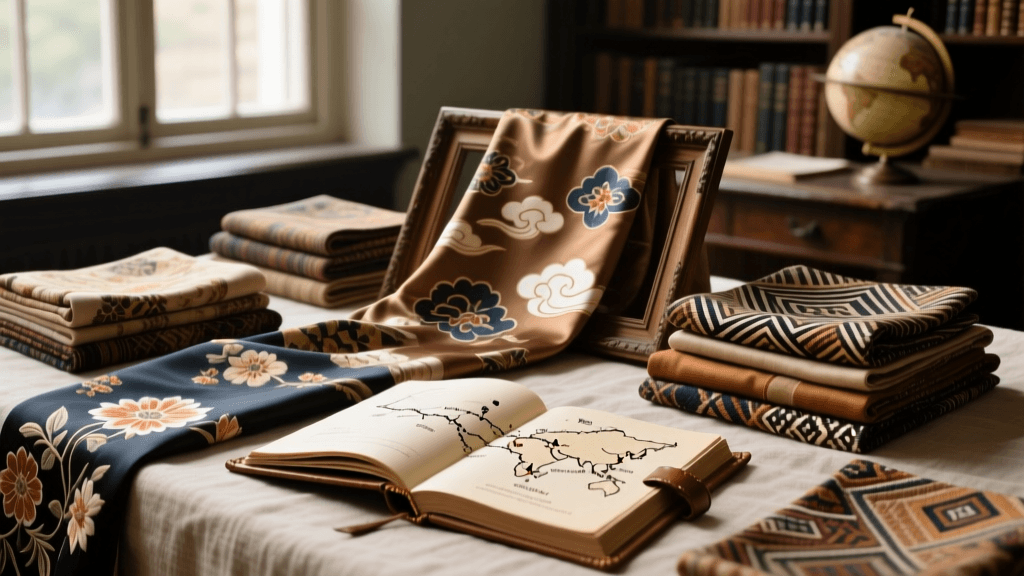
When we envision the traditional Japanese kimono, it is easy to imagine an isolated, purely indigenous art form born entirely from the Japanese archipelago. However, the truth is far more global and interconnected. The kimono is, in many ways, a canvas of international trade, reflecting centuries of cultural exchange along the Silk Road and maritime spice routes. For collectors, historians, and fashion enthusiasts in 2026, understanding the historical imports that shaped Japanese textile design is essential for authenticating vintage pieces, appreciating modern artisan revivals, and navigating the increasingly competitive antique garment market.
The Silk Road and Maritime Arteries: A Global Canvas
Japan’s textile history is deeply intertwined with its imports. As documented by The Metropolitan Museum of Art's Heilbrunn Timeline of Art History, the influx of foreign textiles during the Nara (710–794) and Heian (794–1185) periods fundamentally altered the Japanese aesthetic vocabulary. The imperial Shosoin repository in Nara houses 8th-century textiles that showcase direct imports from Persia, India, and Tang Dynasty China. These were not merely fabrics; they were diplomatic gifts and high-value trade goods that introduced new weaving technologies, dyeing chemistry, and motif structures to Japanese artisans.
Centuries later, during the Edo period (1603–1867), Japan’s policy of national seclusion (sakoku) limited but highly concentrated foreign trade through the artificial island of Dejima in Nagasaki. Here, Dutch and Chinese merchants introduced Indian chintz, European woolens, and Southeast Asian batiks. These imported textiles, known collectively as meibutsugire (famous fabrics), were fiercely coveted by the samurai elite and wealthy merchant classes, eventually trickling down to influence commoner kimono fashion through localized imitations.
Defining the Imported Aesthetics: Key Motifs and Textiles
To accurately identify trade-route influenced kimonos in today’s market, one must recognize the specific motifs and weaving styles that originated outside Japan. Below is a breakdown of the most prominent historical imports and their 2026 vintage market valuations.
| Motif / Textile Style | Historical Origin | Route of Import | 2026 Avg. Vintage Price (USD) |
|---|---|---|---|
| Sarasa (Chintz) | India / Southeast Asia | Maritime Trade (Dejima) | $450 - $1,200 |
| Karakusa (Arabesque) | Persia / China | Overland Silk Road | $300 - $800 |
| Shokko (Brocade) | Tang Dynasty China | Diplomatic Missions | $800 - $2,500 |
| Kochi (Batik influence) | Java / Southeast Asia | Maritime Spice Route | $350 - $950 |
Indian Sarasa and the Maritime Route
Sarasa refers to the Japanese adaptation of Indian chintz and printed cottons. Originally imported by Portuguese and later Dutch traders, these fabrics featured vibrant floral patterns, diagonal stripes, and geometric borders. Because imported cotton was exceptionally rare and expensive in early Edo Japan, sarasa was often cut into small squares and used for tsugihagi (patchwork) garments, or reserved for the linings of high-status kimonos and obi (sashes). In 2026, authentic Edo-period sarasa obi are highly prized by collectors, with pristine examples featuring original madder-root dyes commanding premium prices at Kyoto antique auctions.
Persian Karakusa and the Overland Caravans
The karakusa (foreign grass) motif, characterized by its scrolling, interlacing vines and stylized leaves, is perhaps the most ubiquitous example of Silk Road influence in Japanese design. Originating in the Hellenistic world and refined in Persia and the Islamic empires, the motif traveled through China before reaching Japan. While it became a staple in Japanese ceramics and lacquerware, its application in kimono textiles—particularly in Nishijin-ori brocades—represents a direct lineage to Central Asian carpet weaving and Tang Dynasty silk patterns.
Nishijin-ori: The Synthesis of Chinese Technology
The famed Nishijin weaving district in Kyoto owes its existence to imported technology. Following the Onin War in the 15th century, weavers returning from exile brought back advanced Chinese draw-loom techniques. By integrating these foreign mechanical advancements with indigenous Japanese silk, Nishijin artisans created the heavy, opulent brocades that define the highest tier of formal kimono fashion today. Modern Nishijin weavers in 2026 continue to utilize heritage Jacquard looms adapted from these early Sino-Japanese technological exchanges.
Navigating the 2026 Vintage Kimono Market
The market for historical and vintage kimonos has evolved significantly by 2026. Driven by a global resurgence in sustainable fashion and a deep appreciation for slow-craft textiles, international collectors are actively seeking pieces that tell a story of global trade. According to insights from The Victoria and Albert Museum's extensive kimono archives, the cross-cultural pollination evident in these garments makes them highly relevant to contemporary discussions on globalized fashion history.
Sourcing and Authentication in 2026
When sourcing trade-route influenced kimonos, provenance and physical inspection are paramount. Here is actionable advice for buyers in the current market:
- Inspect the Uragawa (Lining): Import-inspired motifs were often hidden in the lining of Edo-period kimonos due to strict sumptuary laws that forbade commoners from displaying overt luxury. A plain outer silk kimono may reveal a breathtaking, imported-inspired sarasa or karakusa pattern on the inside.
- Examine the Wata (Batting): Antique winter kimonos were padded with silk or cotton batting. The presence of raw, unspun imported cotton or mixed-fiber batting can help date a garment to the mid-to-late Edo period when maritime imports were heavily regulated but highly sought after.
- Verify the Dye Chemistry: Synthetic dyes (like aniline red) were introduced to Japan via European trade routes in the late 19th century (Meiji period). If a piece claiming to be an 18th-century Silk Road import features bright, unfading magentas or purples, it is likely a later reproduction. Authentic historical imports relied on organic madder, indigo, and weld.
2026 Pricing Tiers
Understanding current pricing is critical for collectors. In 2026, the exchange rate fluctuations have made Japanese domestic antique markets slightly more accessible to Western buyers, though premium pieces remain expensive.
- Entry-Level ($150 - $400): Late Meiji or Taisho era (early 20th century) kimonos featuring mass-produced, stenciled karakusa or sarasa patterns. Excellent for daily wear or study.
- Mid-Tier ($500 - $1,500): Edo-period obi sashes featuring authentic Nishijin brocades with Chinese-inspired shokko patterns, or hand-painted yuzen kimonos mimicking imported Indian chintz.
- Museum/Investment Grade ($2,500+): Pre-Edo or early Edo fragments, tsujigahana pieces incorporating imported metallic threads, or fully intact ceremonial garments with documented provenance linking them to historical trade families in Nagasaki or Kyoto.
Archival Preservation for the Modern Collector
Owning a piece of global textile history requires rigorous preservation, especially for antique organic dyes and imported metallic threads which are highly susceptible to environmental degradation. In 2026, collectors are moving beyond traditional cedar chests and integrating smart-home technology into their archival practices.
Climate Control and IoT Integration
Silk is a protein fiber that degrades rapidly in high humidity, while imported metallic threads (often made of gilt paper or silver-coated copper) tarnish or flake when exposed to fluctuating temperatures. Modern collectors are utilizing IoT-enabled micro-climate sensors placed directly inside archival storage boxes. These devices monitor relative humidity (ideally kept between 45% and 55%) and temperature (around 65°F or 18°C), sending alerts to a smartphone if the environment deviates from safe parameters.
Proper Folding and Acid-Free Materials
Never hang an antique kimono; the weight of the heavy imported brocades and layered linings will cause irreversible stress on the shoulder seams. Instead, use the traditional tatou (flat folding) method. Wrap the garment in unbleached, acid-free cotton muslin or specialized archival tissue paper. Avoid plastic garment bags, which trap off-gassing chemicals and moisture, accelerating the decay of both the Japanese silk and the foreign-inspired metallic elements.
Modern Artisans and the Neo-Vintage Revival
The influence of historical trade routes is not confined to the past. In 2026, a new generation of Japanese textile artists is actively reviving these historical import techniques. Artisans in Kyoto and Kanazawa are collaborating with international dye houses to recreate the exact chemical compositions of 17th-century Indian madder dyes and Persian weld yellows. These 'neo-vintage' kimonos offer collectors a chance to own garments that honor the Silk Road and maritime trade routes using pristine, newly woven silks, bridging the gap between historical reverence and modern wearability.
Conclusion
The kimono is far more than a symbol of isolated Japanese tradition; it is a living archive of global commerce, diplomatic exchange, and cross-cultural admiration. From the Persian arabesques of the Silk Road to the vibrant Indian chintz arriving at the shores of Nagasaki, historical imports have permanently enriched the Japanese textile vocabulary. For the 2026 collector, understanding these trade routes transforms the act of buying a vintage kimono from a simple fashion purchase into an act of historical preservation. Whether you are sourcing an Edo-period sarasa obi or investing in a modern artisan's tribute to Tang Dynasty brocades, you are participating in a global exchange that has been weaving cultures together for over a millennium.
For those planning to view these masterpieces in person, the Kyoto National Museum frequently rotates its priceless collection of Shosoin-style trade textiles and Edo-period imported fabrics, offering an invaluable, firsthand education for any serious textile enthusiast.