Qipao Editorial Styling: 2026 Global Fashion Media Trends
The Qipao’s Evolution in Western Fashion Editorials
The qipao, also widely known as the cheongsam, has long been a symbol of sartorial elegance, tracing its modern origins to the cosmopolitan hub of 1920s Shanghai. However, its representation in Western and global fashion media has historically been fraught with exoticization, cinematic stereotyping, and cultural misappropriation. As we navigate the Spring/Summer 2026 runway season and the accompanying high-fashion editorial spreads, a profound shift has occurred. Global fashion media—spearheaded by publications like Vogue, Harper’s Bazaar, and i-D Magazine—has finally moved away from reductive tropes, embracing the qipao as a dynamic, living garment that bridges heritage craftsmanship with avant-garde contemporary design.
In 2026, editorial boards are prioritizing authentic collaboration. It is now standard practice for top-tier fashion magazines to employ Asian cultural consultants and heritage historians when styling traditional garments. This ensures that the rich symbolism of the textile, the structural integrity of the silhouette, and the cultural significance of the garment are respected on the page. For fashion enthusiasts and consumers, understanding these 2026 media trends offers a masterclass in how to wear, style, and appreciate the qipao in a modern, globally conscious context.
The Shift from Exoticism to Authentic Collaboration
For decades, global fashion media frequently relegated the qipao to the realm of costume, often styling it with cliché props like paper parasols, exaggerated jade accessories, or bamboo motifs that reduced a complex cultural artifact to a two-dimensional stereotype. The 2026 editorial landscape has decisively rejected this approach. Today, the focus is on the garment’s architectural brilliance and its textile heritage.
Modern editorial stylists are treating the qipao with the same reverence typically reserved for European haute couture. By highlighting the intricate pankou (hand-knotted knot buttons), the precise geometry of the mandarin collar, and the complex bias-cutting techniques required to pattern-match silk brocade, fashion media is educating its readership. This shift is not just about aesthetics; it is about acknowledging the intangible cultural heritage embedded in every stitch. According to the Victoria and Albert Museum’s comprehensive guide on the Cheongsam, the garment's evolution reflects broader socio-political shifts in Chinese history, a narrative that 2026 fashion editorials are now actively exploring through long-form visual essays rather than superficial trend pieces.
2026 Editorial Trends: How Top Magazines are Styling the Qipao
If you are looking to draw inspiration from this year’s most striking fashion editorials, three distinct styling trends have emerged across global media platforms in 2026.
1. Deconstructed Silk Brocade
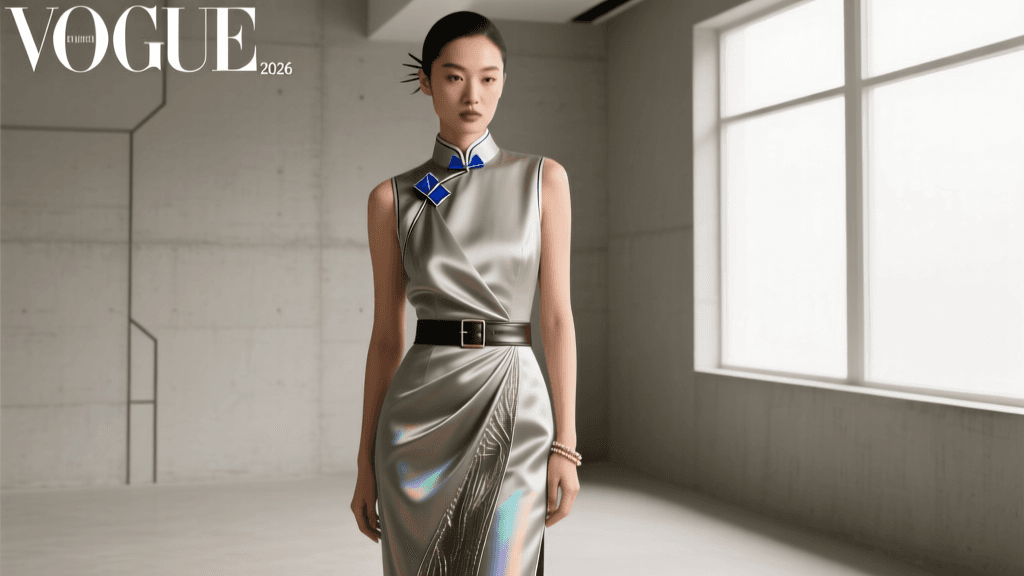
Leading fashion houses and editorial teams are deconstructing traditional heavy silk brocades to create fluid, modern silhouettes. Rather than the hyper-fitted, restrictive cuts popularized by 1990s cinema, 2026 editorials feature qipaos with dropped shoulders, asymmetrical hemlines, and exaggerated slit placements. Stylists are pairing these deconstructed pieces with minimalist, structured outerwear—such as oversized wool-blend blazers or architectural leather trenches—creating a striking contrast between heritage textiles and brutalist modern tailoring.
2. Sustainable Ramie and Hemp Revival
With the fashion industry’s intensified focus on sustainability in 2026, Harper’s Bazaar and Elle have spotlighted qipaos crafted from sustainable ramie and heritage hemp. These plant-based fibers, historically used in Chinese textile traditions before the mass adoption of silk and synthetics, offer a breathable, matte texture that photographs beautifully in natural light. Editorials are styling these eco-conscious qipaos with raw, unpolished accessories like carved wood bangles and unrefined stone jewelry, emphasizing an organic, grounded aesthetic.
3. Gender-Fluid and Oversized Silhouettes
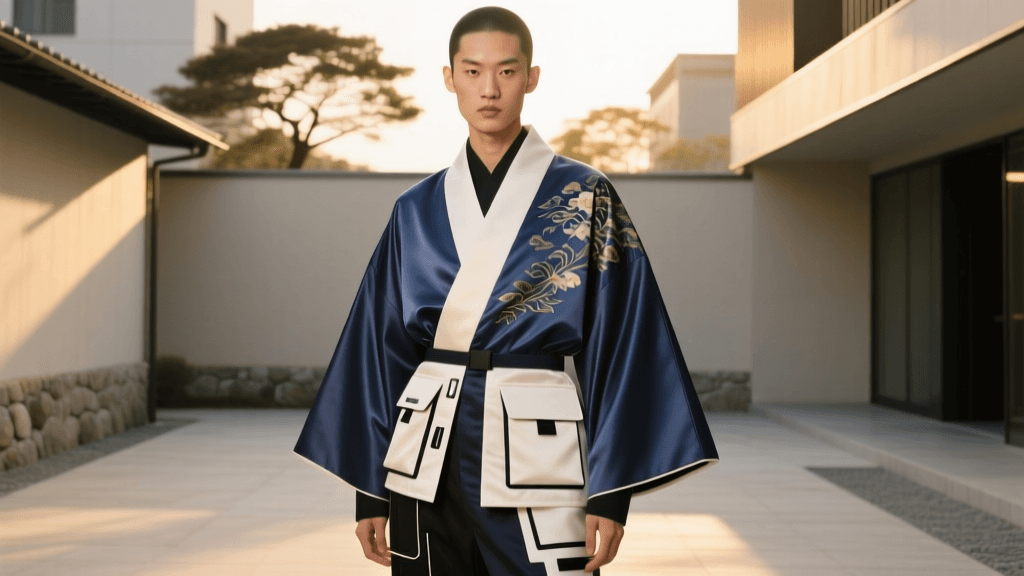
Perhaps the most groundbreaking trend in 2026 global fashion media is the styling of the qipao as a gender-fluid garment. Publications like i-D Magazine and Dazed are featuring models of all genders wearing elongated, oversized qipao coats (often referred to as changshan or long shirts) layered over wide-leg trousers. This styling approach dismantles the historically gendered and hyper-sexualized Western gaze, returning the garment to a space of dignified, universal elegance.
2026 Media Coverage Matrix: Asian Garments in Global Fashion
To understand how the qipao fits into the broader landscape of Asian traditional garments in global media, consider the following breakdown of 2026 editorial coverage across top-tier publications.
| Publication | Featured Garment | 2026 Styling Approach | Cultural Context Provided |
|---|---|---|---|
| Vogue | Qipao / Cheongsam | Deconstructed silk brocade with architectural outerwear | History of 1920s Shanghai modernity and female emancipation |
| Harper’s Bazaar | Hanbok | Voluminous organza skirts with minimalist knitwear | Joseon dynasty color theory (Obangsaek) and natural dyeing |
| i-D Magazine | Sari | Pre-draped metallic saris with cyberpunk streetwear elements | Evolution of regional draping styles and weaving communities |
| Dazed | Barong Tagalog | Sheer piña fabric layered over monochromatic turtlenecks | Indigenous Philippine weaving techniques and colonial history |
Sourcing and Tailoring: The 2026 Market Reality
Inspired by these editorial spreads, many readers are seeking to acquire their own qipaos. However, the 2026 market requires careful navigation to ensure ethical sourcing and authentic craftsmanship. Fast-fashion approximations often utilize synthetic polyesters and machine-stamped patterns that lack the structural integrity and cultural resonance of the genuine article.
Bespoke Tailoring Costs and Timelines: In 2026, commissioning a bespoke, hand-tailored qipao from a master artisan in Shanghai, Hong Kong, or specialized ateliers in New York and London typically ranges from $1,800 to $5,500. This price reflects the intensive labor involved; a true bespoke qipao requires a minimum of three to five fittings over a 6-week period. The tailor will meticulously map the client’s posture, shoulder slope, and ribcage expansion to ensure the garment moves flawlessly with the body.
Ready-to-Wear Alternatives: For those seeking editorial-quality pieces without the bespoke timeline, contemporary heritage brands like Shanghai Tang, Ms MIN, and Feng Chen Wang offer ready-to-wear collections ranging from $600 to $1,500. These brands successfully bridge traditional techniques with modern sizing and styling, making them frequent favorites among fashion editors.
How to Emulate Editorial Qipao Looks Respectfully
Translating high-fashion editorial concepts into wearable, respectful everyday styling requires an understanding of both proportion and context. Here is an actionable guide to achieving the 2026 editorial look:
- Prioritize Fabric Weight and Drape: Avoid flimsy, mass-market satins. Look for 19-momme silk charmeuse for a fluid, draped editorial look, or 30-momme silk brocade for structured, winter-ready garments. For summer, seek out high-grade ramie or linen blends.
- Master the Fit and Ease: The 2026 editorial fit favors comfort and movement over restriction. When ordering or tailoring, request a 2-inch ease around the ribcage and waist. The garment should skim the body, not compress it, allowing the bias cut to naturally follow your silhouette.
- Modernize the Hardware: While traditional hand-knotted pankou knots are beautiful, they can be difficult to fasten. Many 2026 designers integrate hidden magnetic closures or discreet zippers along the side seam, retaining the visual aesthetic of the knots along the collar and chest while offering modern functionality.
- Contextualize Your Accessories: Avoid cliché, costume-like accessories. Instead of pairing a qipao with novelty hair sticks or paper fans, style it with contemporary fine jewelry, minimalist leather footwear, or sleek, structured handbags. Let the garment be the focal point of cultural expression.
The Importance of Context and Craftsmanship
At the heart of the 2026 global fashion media narrative is a deep respect for the raw materials and the artisans who manipulate them. The creation of a traditional silk qipao is inextricably linked to centuries of sericulture. As recognized by the UNESCO Intangible Cultural Heritage list for Sericulture and Silk Craftsmanship, the processes of reeling, dyeing, and weaving silk are complex cultural practices that require immense skill and generational knowledge.
When global fashion media highlights these processes, they elevate the garment from a mere trend to a piece of wearable art. As consumers, engaging with the qipao means engaging with this history. It means asking retailers about the origin of their silk, supporting designers who collaborate directly with heritage weaving villages, and understanding that the qipao is not a costume to be worn for a themed party, but a sophisticated garment that commands the same respect as a tailored Savile Row suit or a Parisian couture gown.
Conclusion
The representation of the qipao in 2026 global fashion media marks a triumphant era of cultural appreciation, sartorial innovation, and historical respect. By moving beyond outdated stereotypes and embracing the garment’s architectural and textile brilliance, modern editorials have provided a blueprint for how traditional Asian garments can thrive in a contemporary global wardrobe. Whether you are investing in a bespoke commission or styling a contemporary ready-to-wear piece, the key lies in honoring the craftsmanship, understanding the history, and wearing the garment with authentic, unapologetic confidence.