Top 2026 Kimono & Hanbok Sewing Workshops Reviewed
The 2026 Resurgence of Traditional Garment Making
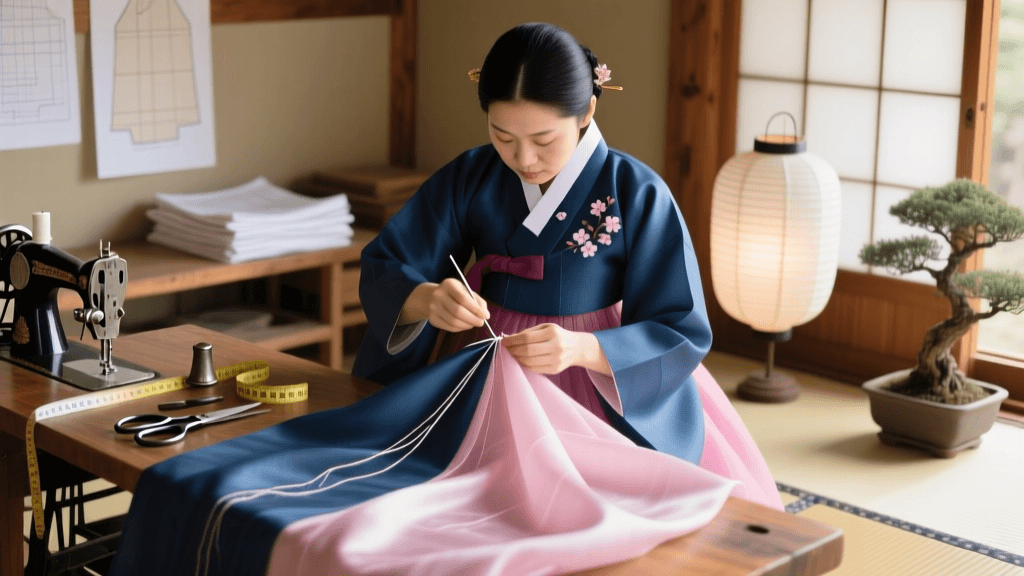
The landscape of traditional Asian fashion has experienced a monumental shift as we navigate through 2026. No longer confined to museum archives or ceremonial obligations, traditional garments like the Japanese kimono and the Korean hanbok are being actively deconstructed, studied, and recreated by a new generation of global sewists. This renaissance is largely driven by specialized workshops and seminars that offer immersive, hands-on learning experiences in traditional garment making. For enthusiasts and professional designers alike, mastering the intricate construction of East Asian dress provides not only a connection to cultural heritage but also a masterclass in zero-waste pattern drafting and sustainable sewing techniques.
According to recent cultural heritage reports highlighted by the Victoria and Albert Museum's Asian Collections, there has been a marked increase in public interest regarding the material culture and textile histories of East Asia. This institutional validation mirrors the grassroots demand for authentic, expert-led seminars. In 2026, learning to sew a hanbok or kimono is not merely about assembling fabric; it is about understanding the philosophy of the straight seam, the geometry of the loom, and the profound respect for the textile itself. Whether you are looking to draft a historical replica or integrate traditional elements into modern sustainable fashion, attending a specialized workshop is the most effective path to mastery.
Premier In-Person and Virtual Seminars for 2026
1. Bunka Fashion College: Kimono Construction Intensive (Tokyo)
Bunka Fashion College in Tokyo remains the gold standard for garment construction education globally. Their 2026 Kimono Construction Intensive is a rigorous, multi-week seminar designed for intermediate to advanced sewists. Priced at approximately ¥185,000 for the full module, this course dives deep into the anatomy of the kimono. Students learn the precise art of the okumi (front panel) attachment, the calculation of the eri (collar) curve, and the traditional hand-stitching techniques required for the miyatsukuchi (the side openings unique to women's kimono). As detailed on the Bunka Fashion College portal, the 2026 curriculum places a heavy emphasis on working with authentic Nishijin-ori brocades and silk crepes, teaching students how to manage the slippery, temperamental nature of high-end silk using traditional rice paste resist and specialized ironing methods.
2. Hanbok Advancement Center: Jeogori Masterclass (Seoul)
In Seoul, the Hanbok Advancement Center, in collaboration with the Korean Craft and Design Foundation, has launched a series of masterclasses focused on the Jeogori (traditional jacket) and Chima (wrap skirt). The 2026 Spring Seminar series costs around ₩950,000 and is highly sought after by international fashion students. The hallmark of the hanbok is its elegant, sweeping curves and voluminous silhouette, which stand in stark contrast to the linear geometry of the kimono. Workshop participants spend days mastering the Dongjeong (the crisp, white detachable collar) and the Git (the collar band), learning the secret padding techniques that give the Jeogori its signature rounded shoulder line. Furthermore, students are taught the traditional method of tying the Goreum (the long, flowing chest bow), ensuring the knot holds its structural integrity without the use of modern fasteners or hidden snaps.
3. Virtual Masterclasses: The Garment Atlas Online Atelier
For those unable to travel to Tokyo or Seoul, 2026 has seen a massive upgrade in virtual learning environments. The Garment Atlas Online Atelier now offers live-streamed, multi-camera workshops where master tailors guide students through the drafting and sewing of a basic Yukata (summer kimono) and a modernized, everyday Hanbok skirt. These virtual seminars, priced at $250 USD, include shipped material kits containing pre-shrunk ramie, silk marking chalk, and specialized thimbles, ensuring that remote students have the exact tactile experience of an in-person classroom. The virtual format allows for instant playback and digital pattern overlays, making complex geometric drafting significantly more accessible to beginners.
Comparing Construction Techniques: Kimono vs. Hanbok
When enrolling in a traditional garment workshop, it is vital to understand the fundamental differences in construction philosophy between Japanese and Korean traditional dress. While both garments historically utilize straight-loomed fabrics to minimize textile waste, their approach to shaping the human body diverges significantly.
| Feature | Japanese Kimono | Korean Hanbok |
|---|---|---|
| Primary Geometry | Straight lines, T-shape, linear drape | Curved collars, voluminous skirts, rounded shoulders |
| Collar Construction | Bachi-eri (folded collar attached to body) | Dongjeong (detachable white paper/fabric collar) |
| Fastening Method | Obi (wide, structured sash) | Goreum (long, flowing chest bow ties) |
| Standard Fabric | Silk crepe (Chirimen), Nishijin brocade | Myeongju silk, Ramie (Mosi), Cotton |
| Seam Finishing | Hidden running stitches, unlined or fully lined | Flat-felled seams, often unlined for summer wear |
Essential Tools for the 2026 Traditional Sewist
Modern sewing machines and synthetic threads have little place in a traditional East Asian garment workshop. To achieve the authentic drape and historical accuracy required in these seminars, students must familiarize themselves with specialized, traditional tools. Most 2026 workshops provide these in their material fees, but serious students should invest in their own kits:
- Hera (Spatula): A specialized bamboo or plastic tool used to crease fabric instead of marking it with chalk or ink. This is crucial for delicate silks where chemical markers might cause permanent staining.
- Kure Chalk (Silk Marking Chalk): Unlike standard tailor's chalk, Kure chalk is formulated to brush away cleanly from the microscopic fibers of silk crepe and ramie without leaving a waxy residue.
- Yubinuki (Japanese Thimble): A padded, ring-shaped thimble worn on the middle finger. It is essential for the pushing motion required in traditional Japanese running stitches (unui), allowing for incredibly straight and uniform stitch lengths.
- Silk Weights and Pins: Fine, glass-headed silk pins and weighted cushions are mandatory when cutting hanbok skirts or kimono panels to prevent the bias from stretching before the seams are basted.
- Traditional Iron (Kote): While modern steam irons are used for final pressing, workshops still teach the use of the traditional charcoal or heavy-brass kote for localized, dry-heat pressing of seams, which prevents water spots on raw silk.
Sourcing Authentic Textiles in 2026
One of the most valuable aspects of attending these seminars is gaining access to the 2026 textile supply chain. Authentic Myeongju silk from Korea and Tango Chirimen crepe from Japan are not readily available at standard fabric stores. Workshops often include guided excursions to specialized wholesale districts, such as Nippori Fabric Town in Tokyo or the Dongdaemun traditional textile markets in Seoul. Instructors teach students how to evaluate the 'hand' (drape and feel) of the fabric, how to identify genuine hand-woven ramie versus machine-spun blends, and how to properly pre-shrink natural fibers using traditional steam-blocking techniques before a single cut is made.
Expert Advice and Final Thoughts
Embarking on the journey of traditional Asian garment making requires a fundamental shift in how you view time and textiles. In a 2026 world dominated by fast fashion and automated production, the deliberate, painstaking process of hand-basting a kimono lining or padding a hanbok collar is a radical act of mindfulness. Experts advise prospective students to approach these workshops not merely as a technical class, but as a cultural immersion. Patience is your most important tool. The geometry of the straight seam may seem simple on paper, but achieving the perfect, fluid drape that characterizes both the kimono and the hanbok takes years of dedicated practice. By investing in a specialized workshop this year, you are not just learning to sew; you are becoming a custodian of a living, breathing textile heritage.