Kanchipuram vs Banarasi Silk Sarees: 2026 Fabric Guide
Introduction to South Asian Silk Heritage in 2026
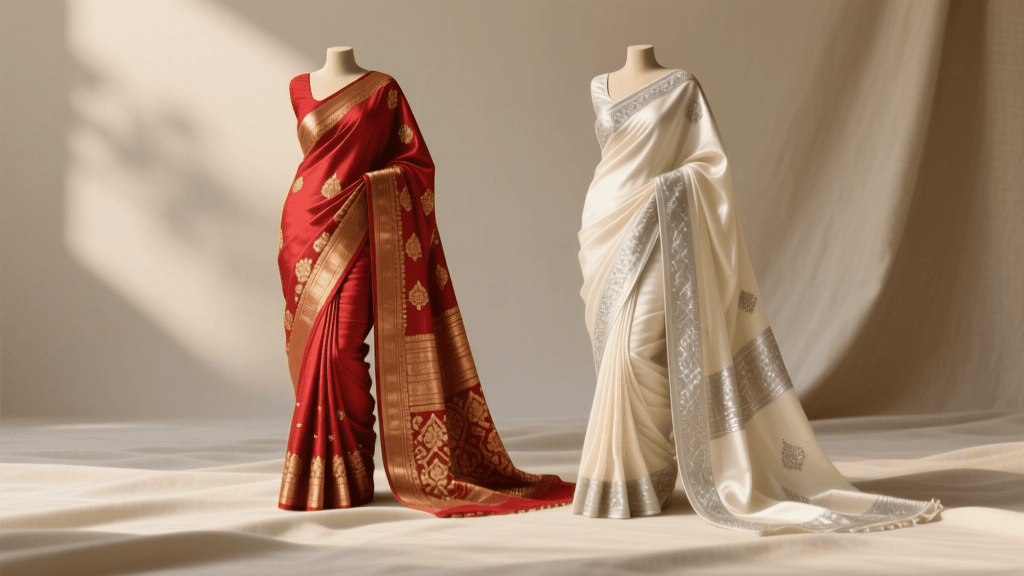
When selecting the perfect traditional garment for a wedding or major cultural milestone, the debate between Kanchipuram and Banarasi silk sarees remains at the forefront of South Asian fashion. As we move through the 2026 bridal and festive season, discerning buyers are prioritizing textile authenticity, heritage weaving techniques, and sustainable sourcing over mass-produced alternatives. Understanding the distinct fabric choices, silk weights, and zari (metallic thread) compositions of these two legendary textiles is essential for making an informed investment.
Both garments represent centuries of artisanal mastery, yet they offer vastly different aesthetics, draping qualities, and structural weights. According to the Victoria and Albert Museum's comprehensive archive on the sari, the evolution of these regional weaves highlights not just fashion, but the socio-economic history of the Indian subcontinent. In 2026, with the rise of conscious consumerism, knowing exactly what you are purchasing—from the ply of the silk to the purity of the gold thread—is more critical than ever.
Kanchipuram Silk: The Heavyweight Champion of Drape
Originating from the temple town of Kanchipuram in Tamil Nadu, Kanchipuram silk sarees are renowned for their rich texture, vibrant color blocking, and extraordinary durability. The base fabric is traditionally woven from pure mulberry silk sourced from Karnataka, while the zari is historically sourced from Surat, Gujarat.
The Korvai and Petni Techniques
What truly sets Kanchipuram silk apart in 2026 is the meticulous interlocking technique known as Korvai. In this method, the border and the body of the saree are woven separately and then interlocked together. This creates a bond so strong that even if the saree tears, the border will not detach. Similarly, the Petni technique is used to join the pallu (the loose end) to the body, often requiring a different color and intricate zigzag interlocking.
Fabric Weight and Structure
Kanchipuram sarees are notoriously heavy. A standard pure silk Kanchipuram saree in 2026 typically weighs between 600 and 900 grams, with heavily embellished bridal pieces exceeding a full kilogram. The silk threads are often twisted into three-ply (puris) structures, giving the fabric its signature thick, lustrous, and structured drape. This weight makes it ideal for pleating, as the fabric holds its shape impeccably throughout long wedding ceremonies.
Banarasi Silk: The Intricate Art of Brocade
Hailing from the ancient city of Varanasi (Banaras) in Uttar Pradesh, Banarasi silk sarees are celebrated for their opulent brocade work, Mughal-inspired motifs, and fluid drape. Unlike the color-blocked geometry of Kanchipuram weaves, Banarasi textiles are characterized by their all-over intricate patterns, including floral butis, creeping vines (bel), and architectural jali work.
Katan Silk and Kadwa Weaving
The most premium Banarasi sarees are woven using Katan silk, which consists of pure twisted silk threads that lend a soft, luxurious sheen. The hallmark of a high-end Banarasi is the Kadwa weaving technique. In Kadwa, the extra weft (the pattern thread) is woven so tightly that it does not leave loose threads floating on the back of the fabric. This makes the saree reversible, incredibly durable, and highly prized in the 2026 luxury market.
Fabric Weight and Drape
Banarasi silk is generally lighter and more fluid than Kanchipuram silk. A pure Katan Banarasi saree usually weighs between 400 and 700 grams. The fabric drapes beautifully, clinging softly to the body and creating a romantic, flowing silhouette that is highly sought after for receptions and evening events.
Head-to-Head Fabric Comparison Chart
To help you navigate the 2026 market, here is a structured comparison of the two textile giants:
| Feature | Kanchipuram Silk | Banarasi Silk (Katan) |
|---|---|---|
| Base Fabric | Thick Mulberry Silk (3-ply) | Soft Twisted Katan Silk (2-ply) |
| Weaving Technique | Korvai (Interlocking borders) | Kadwa (Extra weft brocade) |
| Average Weight | 600g - 900g+ | 400g - 700g |
| Drape Quality | Stiff, structured, holds pleats | Fluid, soft, flowing |
| 2026 Price Range | ₹18,000 - ₹1,50,000+ | ₹15,000 - ₹2,50,000+ |
| Best For | Day weddings, temple ceremonies | Evening receptions, festive galas |
Understanding Zari: Real Gold vs. Tested vs. Plastic
In 2026, the most critical factor in determining the value of either a Kanchipuram or Banarasi saree is the zari. Zari is the metallic thread used to create the shimmering patterns. However, not all zari is created equal, and market saturation has made authentication vital.
- Pure Zari: The traditional and most expensive option. It consists of a silk core wrapped in flattened silver wire, which is then plated in pure gold. Pure zari will not tarnish easily and retains a soft, rich yellow hue.
- Tested Zari: A modern, cost-effective alternative widely used in 2026. It features a silk or cotton core wrapped in silver-plated copper or synthetic threads. While it offers a brilliant shine, it lacks the heirloom value and longevity of pure zari.
- Plastic Zari: The lowest grade, often found in mass-produced, budget-friendly garments. It is highly prone to peeling and tarnishing within a single season.
For buyers investing in heirloom pieces, the Silk Mark Organisation of India provides essential certification. When shopping in 2026, always look for the Silk Mark tag, which guarantees the authenticity of the natural silk. Additionally, reputable weavers now provide specific hallmark certificates detailing the micron thickness of the gold plating on pure zari threads.
Modern 2026 Styling and Blouse Pairings
The way these traditional fabrics are styled has evolved significantly. In 2026, the trend is all about juxtaposing heavy heritage silk with contemporary, lightweight blouse fabrics.
Styling Kanchipuram Silk
Because Kanchipuram silk is heavily structured, modern brides are pairing it with blouses made from raw silk, velvet, or even structured organza. A popular 2026 trend is the use of contrast piping and minimalist embroidery on the blouse, allowing the bold Korvai borders of the saree to take center stage. For a modern silhouette, many opt for pre-stitched pleats and contemporary belt-styling to manage the heavy fabric weight.
Styling Banarasi Silk
The fluid nature of Katan Banarasi silk pairs beautifully with rich, textured blouses. In 2026, we are seeing a surge in Banarasi sarees paired with heavily embroidered zardozi blouses, or conversely, plain silk blouses with dramatic, oversized sleeve silhouettes. The lightweight drape of the Banarasi allows for experimental draping styles, such as the dhoti-drape or the cape-saree, making it a favorite for reception parties.
Care and Maintenance for 2026 Textile Investments
Whether you choose the structured grandeur of Kanchipuram or the fluid elegance of Banarasi, proper care is non-negotiable to preserve these textiles for future generations.
- Cleaning: Always opt for professional dry cleaning for the first three washes. Afterward, if the zari is tested or plastic, gentle hand washing with a pH-neutral shampoo is acceptable, but pure zari garments should strictly remain dry-clean only to prevent the gold plating from oxidizing.
- Storage: Never store silk sarees in plastic covers, as this traps moisture and leads to fungal growth. In 2026, textile conservators recommend wrapping the sarees in unbleached, acid-free muslin cotton. Store them in a cool, dark cedar wood chest, which naturally repels moths without the harsh chemical odors of traditional naphthalene balls.
- Folding: To prevent permanent crease marks that can eventually cause the silk fibers to snap, refold your sarees every three to four months. Alternatively, rolling the saree around acid-free cardboard tubes is the preferred museum-standard storage method for heavy bridal pieces.
Conclusion
Choosing between Kanchipuram and Banarasi silk ultimately comes down to personal aesthetic preference, the nature of the event, and your draping style. Kanchipuram offers a regal, structured presence that anchors traditional daytime ceremonies, while Banarasi provides a fluid, romantic elegance perfect for evening celebrations. By understanding the nuances of silk ply, weaving techniques, and zari purity, you can confidently navigate the 2026 market and invest in a garment that is not just a piece of clothing, but a wearable masterpiece of Asian heritage.