2026 Kimono Guide: Types, Styling Rules & Rental Costs
The Evolution of the Kimono in 2026
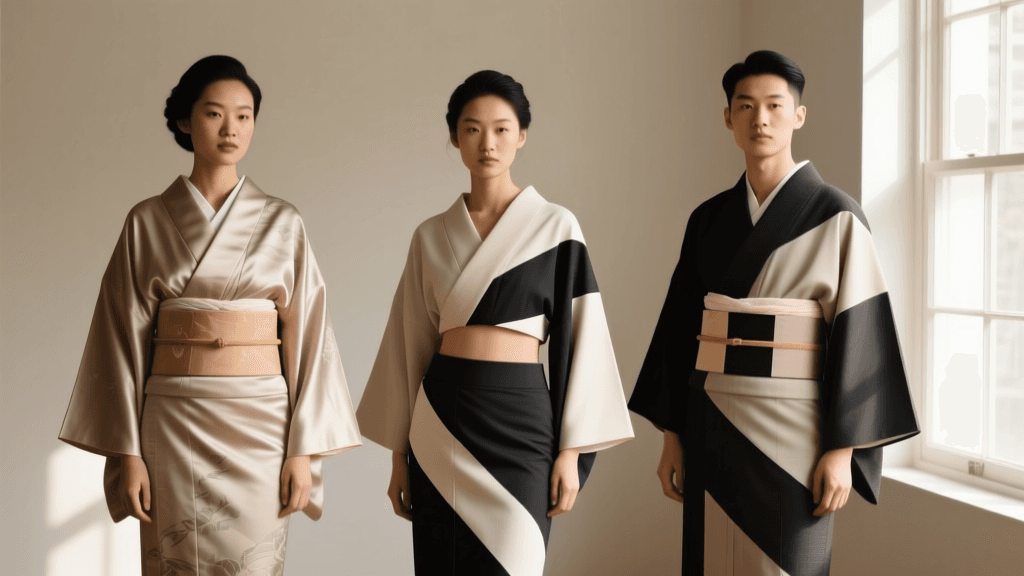
The Japanese kimono is far more than a historical artifact; it is a living, breathing garment that continues to evolve alongside contemporary fashion. As we navigate through 2026, the landscape of traditional Japanese clothing has beautifully merged centuries-old artisanal techniques with modern technological innovations. According to the Victoria and Albert Museum (V&A), the kimono's T-shaped silhouette has influenced global fashion for centuries, yet its domestic use in Japan is currently experiencing a vibrant renaissance driven by sustainable fashion movements and vintage upcycling.
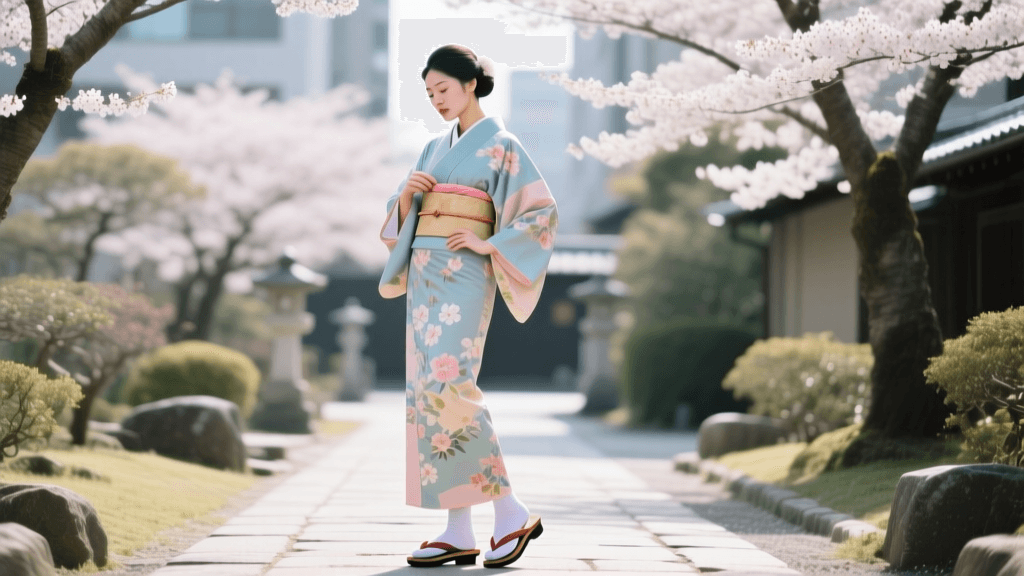
Whether you are attending a traditional tea ceremony in Kyoto, celebrating Coming of Age Day, or simply exploring the historic streets of Higashiyama, understanding the strict sartorial rules of the kimono is essential. This comprehensive 2026 guide breaks down the hierarchy of kimono types, essential accessories, modern textile innovations, and practical advice for renting or purchasing your own garments.
The Hierarchy of Formal Kimono Types
Japanese traditional fashion is governed by a strict hierarchy based on marital status, age, and the formality of the event. The formality is often indicated by the number of mon (family crests) dyed into the fabric, as well as the placement and style of the patterns.
| Kimono Type | Formality | Pattern Placement | Best For (2026 Events) |
|---|---|---|---|
| Kurotomesode | Highest (Married) | Below the waist only; 5 crests | Weddings (Mother of Bride/Groom) |
| Furisode | Highest (Unmarried) | All over; long swinging sleeves | Coming of Age Day, Wedding Guest |
| Irotomesode | High (Married) | Below waist; colored background | Weddings (Close Relatives) |
| Homongi | High (Both) | Flowing continuously across seams | Tea Ceremonies, Galas, Parties |
| Tsukesage | Medium-High | Isolated motifs below waist | Graduations, Dinner Parties |
| Komon | Casual | Repeating small pattern all over | Sightseeing, Casual Dining |
Actionable Styling Rule: Never wear a kimono that is more formal than the host of the event. If you are a guest at a wedding, avoid wearing a Furisode or Kurotomesode that might outshine the bride or the immediate family. A Homongi or Irotomesode (with 1 or 3 crests) is the safest and most respectful choice for guests in 2026.
Essential Accessories and Footwear
The kimono itself is only half of the ensemble. The accessories dictate the final formality and comfort of the outfit.
The Obi (Sash)
- Maru Obi: The most formal, heavily brocaded, and incredibly stiff. Rarely worn today outside of bridal Uchikake ensembles.
- Fukuro Obi: The standard for formal wear. Brocaded on one side, plain silk on the back. Essential for Furisode and Homongi.
- Nagoya Obi: Pre-folded and stitched at one end for easier tying. Perfect for Tsukesage and Komon. This is the most popular choice for tourists and modern practitioners due to its ease of use.
Footwear: Zori, Geta, and Tabi
Footwear rules are strictly tied to the formality of the kimono. Zori are flat, vinyl or tatami-surfaced sandals worn with formal and semi-formal kimono. Geta are elevated wooden sandals reserved for casual wear, particularly with Yukata (summer cotton kimono).
Crucial Sizing Advice for Tabi: The split-toe Tabi socks must fit impeccably. Wrinkles at the toe are considered highly inelegant. When purchasing or renting Tabi in 2026, always select a size that is 0.5 cm smaller than your actual foot length. The cotton blend will stretch slightly, ensuring a taut, smooth appearance across the bridge of your foot.
2026 Innovations: Washable Silk and Vintage Upcycling
The most significant shift in the Japanese traditional garment market this year is the mainstream adoption of Araeru Shiruku (washable silk). Historically, cleaning a silk kimono required Arai-hari—a meticulous process of un-stitching the garment, washing the fabric panels, and re-sewing them. In 2026, Kyoto-based textile innovators have perfected nano-coating technologies and specialized crepe-weave silks that can be gently hand-washed at home without losing their structural integrity or dye vibrancy.
Furthermore, the Japan National Tourism Organization (JNTO) notes a massive surge in sustainable travel experiences, which includes vintage kimono upcycling. Younger generations and international visitors are increasingly purchasing antique Haori (kimono jackets) from recycle shops in Tokyo's Shimokitazawa district, styling them over modern denim or tailored trousers. This blend of Taisho-era textiles with contemporary streetwear represents the cutting edge of Japanese fashion in 2026.
Renting vs. Buying: A 2026 Cost Breakdown
For international visitors and expats living in Japan, renting remains the most practical option for formal events, while buying vintage is ideal for casual wear and souvenirs.
Rental Costs (Full Day, Including Salon Dressing)
- Komon / Yukata (Casual Sightseeing): ¥5,000 – ¥8,000 ($35 – $55 USD)
- Homongi (Tea Ceremony / Dinner): ¥12,000 – ¥18,000 ($85 – $125 USD)
- Furisode (Coming of Age / Formal): ¥30,000 – ¥50,000 ($210 – $345 USD)
Note: Always book salon dressing (Kitsuke) at least 3 months in advance for January Coming of Age Day or peak autumn foliage seasons in November.
Purchasing Options
- Vintage / Recycle Shops: ¥3,000 – ¥15,000. Excellent for Komon and Haori. Check for stains on the collar and hem before purchasing.
- Custom-Tailored New Silk: ¥300,000 – ¥800,000+. A multi-month process involving selecting the silk bolt (tanmono), dyeing, and hand-stitching.
The Kitsuke (Dressing) Timeline and Etiquette
Putting on a formal kimono, known as Kitsuke, is a complex art form. If you are visiting a salon in 2026, expect the process to take between 45 to 60 minutes, with an additional 30 minutes for traditional Japanese hair styling.
Pro Tip for Salon Visits: Wear a low-collar, button-down shirt and leggings or bicycle shorts under your street clothes to the salon. This allows the dresser to easily apply the undergarments (juban and susoyoke) without you needing to fully undress in a small changing booth, preserving your hair and makeup.
When walking in a kimono, take smaller steps and keep your toes pointed slightly inward. This prevents the hem from flaring open and maintains the elegant, cylindrical silhouette that is the hallmark of traditional Japanese styling. For more localized event schedules and cultural etiquette, the Official Kyoto Travel Guide provides excellent seasonal updates on when and where to wear specific garment types in the historic capital.
Conclusion
Mastering the art of the kimono in 2026 requires a balance of respecting historical hierarchies and embracing modern conveniences like washable silks and vintage styling. Whether you are renting a vibrant Furisode for a winter celebration or wrapping yourself in a vintage Haori for a casual evening in Tokyo, the kimono remains a profound, wearable connection to Japan's rich cultural tapestry.