Hanfu Milestone Ceremonies 2026: Coming of Age & Graduation Guide
The Resurgence of Formal Hanfu in 2026
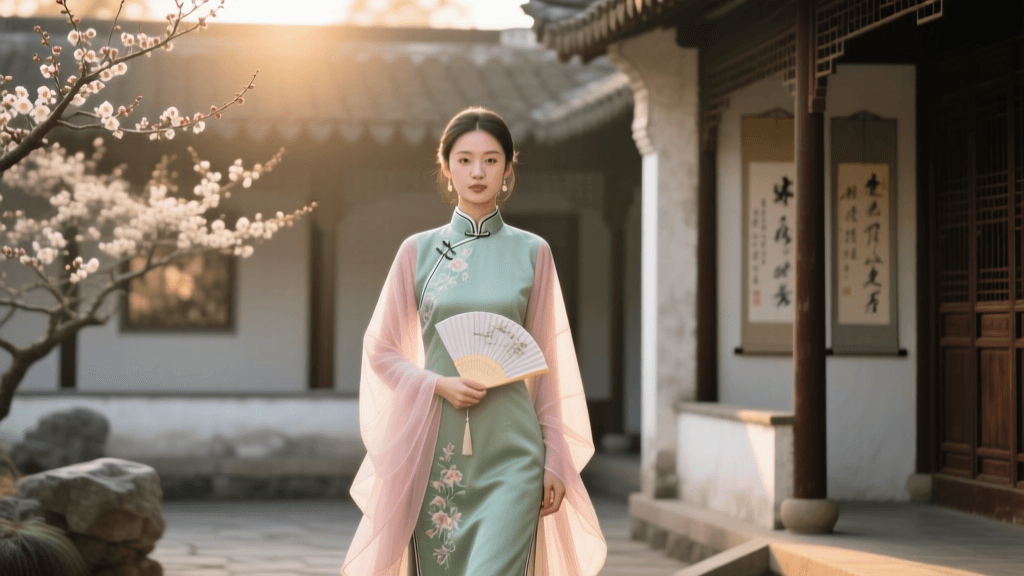
As we navigate through 2026, the Hanfu movement has matured far beyond casual streetwear and social media trends. Today, traditional Chinese garments are increasingly being adopted for significant life milestones, serving as a profound reconnection with cultural heritage. From coming-of-age ceremonies to university graduations and traditional weddings, Hanfu has become the definitive sartorial choice for young adults seeking to honor their ancestry while marking pivotal transitions in their lives. According to cultural historians and global observers, the modern Hanfu movement has evolved from a niche subculture into a mainstream expression of cultural identity, as noted by BBC Travel.
This comprehensive guide explores the intricate styling, budgeting, and etiquette required for wearing Hanfu during major life milestones in 2026. Whether you are preparing for a traditional capping ceremony, walking across the university stage, or planning an ancestral wedding, understanding the historical context and modern applications of these garments is essential.
The Coming-of-Age Rites: Ji Li and Guan Li
The transition from childhood to adulthood has long been marked by elaborate rites in Chinese culture. For women, the Ji Li (Hair Pinning Ceremony) traditionally takes place at age 15 or 20, while men undergo the Guan Li (Capping Ceremony) at age 20. In 2026, cultural revival societies and university student unions across Asia are hosting large-scale, historically accurate Ji Li and Guan Li ceremonies, requiring specific, layered garments that symbolize maturity and societal responsibility.
The Three Additions (San Jia) of the Ji Li
The core of the female coming-of-age rite involves the "Three Additions," where the initiate changes into progressively more formal attire, symbolizing her growing responsibilities.
- First Addition (Caiyi): A simple, unlined robe typically made of cotton or lightweight linen, representing the innocence and purity of childhood. In 2026, soft pastel colors like pale celadon or lotus pink are highly favored for this stage.
- Second Addition (Quju or Shenyi): A more formal, layered robe with intricate embroidery. This garment signifies the young woman's readiness to take on familial and societal duties. Deep blues and rich burgundies are common choices.
- Third Addition (Daishou and Formal Headdress): The final change involves a grand formal gown, often a Ming Dynasty-style Aoqun or a Tang Dynasty Qixiong Ruqun, paired with an elaborate hairpin (Ji) or coronet. This marks her official entry into adulthood.
For the male Guan Li, the initiate similarly changes headgear three times, progressing from a simple cloth cap to a formal scholar's cap, and finally to a ceremonial court cap, paired with corresponding robes like the Xuan Duan or Shenyi.
Hanfu for University Graduations: The 2026 Campus Standard
One of the most visible shifts in 2026 is the widespread adoption of Hanfu as official university graduation attire. Moving away from Western-style black caps and gowns, thousands of graduates are now donning the Lanshan (scholar robe) or the Yuanlingpao (round-collar robe) to receive their diplomas. This trend reflects a desire to indigenize academic achievements and celebrate the historical lineage of Chinese scholarship.
When selecting a graduation Hanfu, historical accuracy and comfort for long ceremonies are paramount. The Ming Dynasty scholar aesthetic remains the most popular choice due to its dignified silhouette and structured tailoring.
| Garment Style | Dynasty Origin | Key Features for Graduations | 2026 Average Cost (Bespoke) |
|---|---|---|---|
| Ming Dynasty Lanshan | Ming (1368–1644) | Black or dark blue scholar robe, wide sleeves, worn with a Rujin scholar cap. Highly structured, formal. | $180 - $350 USD |
| Tang Dynasty Yuanlingpao | Tang (618–907) | Round-collar robe, often in crimson or deep purple, fastened with a leather belt and Putou headwear. More relaxed drape. | $150 - $280 USD |
| Song Dynasty Shenyi | Song (960–1279) | Cross-collared, wide-sleeved deep robe with a distinctive black trim. Elegant, minimalist, and highly intellectual in tone. | $120 - $250 USD |
Traditional Weddings: Honoring Ancestral Unions
Weddings represent the ultimate life milestone, and in 2026, the demand for historically accurate traditional Chinese wedding Hanfu has reached an all-time high. Couples are increasingly opting for the Fengguan Xiapei (Phoenix Crown and Rosary) style of the Ming Dynasty or the solemn Juebian Xuan Duan of the Zhou Dynasty, bypassing the heavily modified, stage-like "Qungua" of the Qing era in favor of deeper historical roots.
The Ming Dynasty bridal ensemble is characterized by its opulent embroidery, featuring motifs of phoenixes, peonies, and dragons woven in gold and silver threads. The bride wears a highly structured jacket and a pleated mamianqun (horse-face skirt), adorned with a cloud-shaped collar (Yunjian). The groom typically wears a crimson or dark blue round-collar robe with a rank badge (Buzi) and a black gauze cap. Sourcing these garments requires significant lead time; bespoke Ming wedding sets in 2026 often require three to six months of embroidery work by master artisans in Suzhou or Hangzhou.
Ancestral Veneration: Qingming and Zhongyuan Rites
Life milestones also include the solemn remembrance of those who have passed. During the Qingming Festival (Tomb-Sweeping Day) and the Zhongyuan Festival (Ghost Festival), wearing appropriate Hanfu is a mark of deep respect. In 2026, etiquette dictates that garments worn for ancestral rites should be understated, modest, and devoid of overly bright colors or flashy embroidery.
Men and women typically opt for Song Dynasty or Ming Dynasty everyday attire in muted tones such as slate gray, navy blue, or soft ivory. The focus is on neatness, proper layering, and a dignified demeanor. Accessories are kept to a minimum, favoring simple wooden or jade hairpins over ornate metalwork. This subdued approach to dressing honors the Confucian principles of filial piety and reverence for one's lineage.
2026 Budgeting and Sourcing Guide
Investing in milestone Hanfu requires careful financial planning. The market in 2026 offers a wide spectrum of options, from mass-produced entry-level sets to museum-grade bespoke commissions. When selecting authentic silks like Xiangyunsha or Song Brocade for your milestone garments, it is essential to understand the heritage of these textiles. The intricate techniques behind these fabrics are recognized globally, with sericulture and silk craftsmanship officially inscribed by UNESCO as Intangible Cultural Heritage.
| Sourcing Method | Best For | Price Range (USD) | Lead Time |
|---|---|---|---|
| Specialized Taobao Boutiques | Graduations, Coming-of-Age | $80 - $250 | 2 - 4 weeks |
| International Hanfu Retailers | Everyday Rites, Ancestral Veneration | $100 - $300 | 1 - 2 weeks |
| Bespoke Artisan Commissions | Weddings, Formal Ji Li / Guan Li | $800 - $5,000+ | 3 - 6 months |
| High-End Rental Studios | One-off Ceremonies, Photoshoots | $150 - $400 (Rental Fee) | Immediate |
Hair, Makeup, and Rite Etiquette
A milestone Hanfu ensemble is incomplete without historically grounded hair and makeup. For the Ji Li, the hair is traditionally styled into a high bun (Ji) secured with a jade, gold, or wooden hairpin. In 2026, modern brides and initiates often use structural hairpieces made from synthetic or ethically sourced human hair to achieve the voluminous silhouettes of the Tang and Ming dynasties without damaging their natural hair.
Makeup for formal rites leans towards classical elegance. The Huadian (forehead floral applique) and Dianchun (lip rouge) are popular for weddings and coming-of-age ceremonies. However, the heavy, theatrical makeup of the past has been replaced by a softer, more refined aesthetic that complements the rich textures of the silk garments. For those looking to study historical silhouettes and cosmetic trends before commissioning bespoke pieces or styling their hair, the Metropolitan Museum of Art provides extensive archives on Chinese silk weaving, historical garment construction, and portraiture.
Etiquette during these ceremonies is just as important as the clothing. Participants are expected to understand the basic Confucian greeting gestures, such as the Yi Li (bowing with hands clasped) and the Wanfu Li (a specific curtsy for women). Mastering these physical movements ensures that the garments are worn not just as costumes, but as living extensions of cultural philosophy.
Conclusion
The integration of Hanfu into life milestones in 2026 represents a beautiful synthesis of historical reverence and modern identity. Whether you are pinning your hair for the first time in a Ji Li, accepting a university degree in a Ming scholar's robe, or exchanging vows beneath a phoenix crown, these garments carry the weight of thousands of years of history. By investing in quality textiles, understanding the specific etiquette of each rite, and honoring the artisans who craft these pieces, you ensure that your life's most significant moments are marked with unparalleled grace and cultural depth.