Authentic Maya Huipils 2026: Backstrap Weaving & Sourcing Guide
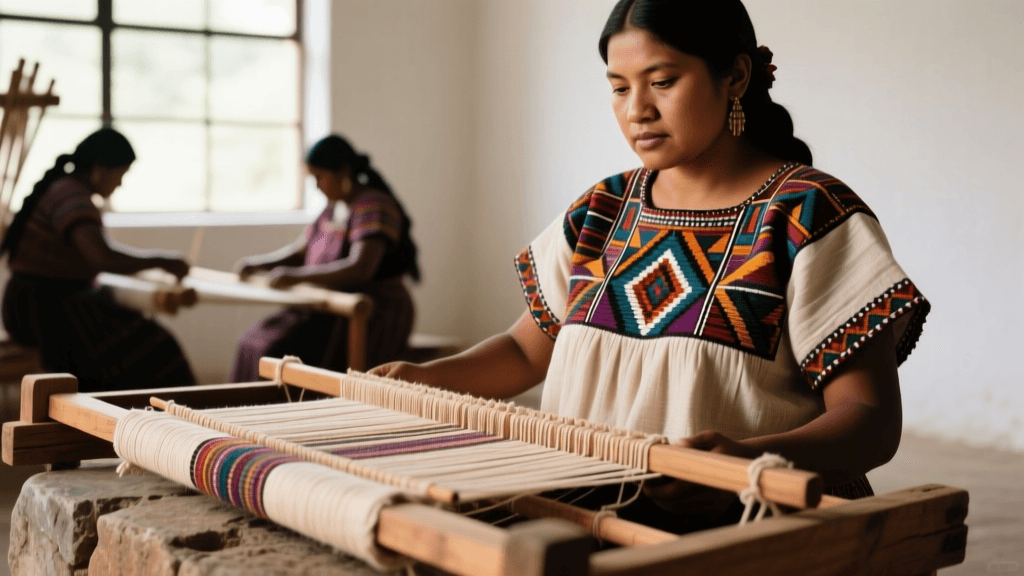
The traditional Maya huipil is far more than a simple garment; it is a woven manuscript of Mesoamerican history, cosmology, and Indigenous identity. As the global fashion industry pivots heavily toward sustainable, slow-fashion alternatives in 2026, the demand for authentic, handwoven Latin American textiles has surged. However, this rising popularity brings a wave of mass-produced imitations that threaten the livelihoods of Indigenous artisans. For collectors, cultural enthusiasts, and ethical fashion advocates, understanding the intricate art of Maya backstrap weaving is essential.
The Cultural Canvas: More Than Just Clothing
In Guatemala, the traditional dress is collectively known as traje. The huipil (a loose-fitting tunic) and the corte (a wrap-around skirt) form the foundation of a woman's traditional attire. What makes the huipil truly remarkable is its hyper-local specificity. There are over 300 distinct municipalities in Guatemala, and historically, each village developed its own unique palette, motif, and weaving technique. A knowledgeable observer can often identify a weaver's hometown, and sometimes even her marital status or social role, simply by examining the geometric patterns and color combinations of her huipil.
In 2026, while many younger Indigenous women blend modern Western clothing with traditional pieces for daily urban life, the huipil remains a profound symbol of cultural resistance and pride. Ceremonial huipils, often featuring elaborate collars and dense brocade work, are still strictly reserved for religious festivals, weddings, and community leadership events.
The Mechanics of the Backstrap Loom
The soul of the huipil lies in its creation on the backstrap loom, a pre-Columbian technology that has survived for millennia. Unlike the rigid, floor-standing pedal looms introduced by the Spanish, the backstrap loom is intimately connected to the weaver's body. One end of the loom is tied to a fixed object, such as a tree or a wooden post, while the other end is secured around the weaver's lower back via a woven strap (the backstrap).
The weaver controls the tension of the warp threads entirely through the movement of her body. Leaning back increases the tension; leaning forward releases it. This physical connection allows for an unparalleled level of precision and artistry, enabling the weaver to create complex brocade patterns directly into the weave of the fabric. Because the width of the loom is limited by the reach of the weaver's arms, huipils are typically woven in two or three separate panels and then meticulously joined together using intricate randa (decorative stitching).
Natural Dyes in 2026: The Revival of Ancestral Colors
A major trend defining the Latin American textile market in 2026 is the aggressive revival of natural, plant-based dyes. Towns like San Juan La Laguna have become global epicenters for this movement. Artisans here are eschewing the harsh, synthetic aniline dyes of the late 20th century in favor of ancestral recipes.
- Cochineal: Harvested from insects that live on native prickly pear cacti, cochineal yields brilliant crimsons, purples, and pinks. The addition of citrus juice or ash alters the pH, shifting the color spectrum dramatically.
- Indigo (Añil): Cultivated locally, the indigo plant is fermented to produce deep, colorfast blues that are highly prized in contemporary sustainable fashion markets.
- Sacatinta and Marigold: Used to achieve rich blacks and vibrant yellows, respectively, without the environmental runoff associated with synthetic alternatives.
- Coyuche Cotton: Rather than dyeing, many weavers are returning to coyuche, a native strain of cotton that naturally grows in beautiful shades of tan and brown, requiring zero dye at all.
Decoding the Motifs: Brocade vs. Embroidery
When examining a high-quality huipil, it is crucial to understand the difference between brocade and embroidery. True traditional weaving utilizes brocade, a technique where the decorative pattern is woven directly into the fabric on the loom using a supplemental weft thread. The design is integral to the structure of the cloth. Embroidery, conversely, is stitched onto a pre-woven, plain fabric after it has been removed from the loom. While embroidery is beautiful and utilized in certain regions, the most highly valued and time-consuming Maya textiles feature intricate, double-sided brocade that looks nearly identical on both the inside and the outside of the garment.
Common motifs include the kot (double-headed eagle), representing the dualities of the universe; the quetzal bird, symbolizing liberty and the heavens; and diamond shapes, which depict the sun's path across the sky and the four cardinal directions.
Authenticity in 2026: Handwoven vs. Maquila
The proliferation of machine-made textiles, often produced in overseas maquilas and marketed as 'boho-chic' or 'Latin-inspired,' poses a significant challenge to Indigenous weavers. In 2026, knowing how to differentiate an authentic, handwoven huipil from a factory-made replica is a vital skill for ethical consumers.
| Feature | Authentic Handwoven Huipil | Machine-Made (Maquila) Replica |
|---|---|---|
| Weave Tension | Slight, natural variations; visible human touch | Perfectly uniform, rigid tension |
| Pattern Integration | Brocade is woven into the fabric; reversible | Printed on, or machine-embroidered on top |
| Material | Hand-spun cotton, coyuche, silk, or high-grade mercerized cotton | Mass-produced polyester blends or cheap acrylics |
| Production Time | 2 to 6 months of daily weaving | Under 2 hours per unit |
| 2026 Avg. Price | $150 - $850+ (depending on complexity) | $15 - $40 (wholesale to fast-fashion retail) |
To verify authenticity, examine the reverse side of the textile. If the colorful motifs are messy, full of loose threads, or completely absent on the back, it is likely machine-embroidered or printed. A master weaver's brocade will be clean and deliberate on both sides.
Ethical Sourcing and Fair Trade Cooperatives
Purchasing a huipil is an investment in Indigenous intellectual property and economic sovereignty. The most ethical way to source these garments in 2026 is directly from women-led cooperatives or certified fair-trade organizations that guarantee living wages and community reinvestment. Organizations like Trama Textiles have spent decades building networks across the Guatemalan Western Highlands, ensuring that over 400 Indigenous women receive direct, equitable compensation for their art, bypassing exploitative middlemen.
Furthermore, supporting initiatives documented by advocacy groups like Cultural Survival helps protect Indigenous textile designs from corporate plagiarism. In recent years, international frameworks have strengthened, allowing Maya communities to legally challenge foreign fashion houses that steal their ancestral patterns. By purchasing through Fair Trade Federation members, consumers ensure their money actively funds education, healthcare, and the preservation of the backstrap weaving tradition for the next generation.
Preservation and Garment Care
An authentic, handwoven huipil is an heirloom piece that requires specialized care to maintain its structural integrity and color vibrancy. Because many modern weavers have returned to natural dyes, harsh chemical detergents must be strictly avoided.
- Washing: Hand wash the garment in cold water using a pH-neutral, eco-friendly soap. Never use bleach or fabric softeners, as these will break down the natural cotton fibers and strip natural dyes like cochineal.
- Drying: Never wring or twist the fabric, as this can warp the tension of the backstrap weave. Gently press the water out by rolling the huipil in a clean, dry towel. Lay it flat to dry in a shaded, well-ventilated area. Direct sunlight will rapidly fade both natural and synthetic dyes.
- Storage: Store the huipil flat or loosely rolled in acid-free tissue paper. Hanging a heavy, three-panel brocade huipil on a wire or wooden hanger for extended periods will cause the shoulders to stretch and the intricate joinery (randa) to weaken under the garment's own weight.
By understanding the profound history, the physical labor of the backstrap loom, and the vital importance of ethical sourcing, collectors and fashion enthusiasts can appreciate the Maya huipil not just as a beautiful garment, but as a living, breathing testament to Indigenous resilience in 2026 and beyond.