Crafting Jingle Dress Regalia in 2026: Materials & Guide
Introduction to the Jingle Dress
As we enter the 2026 powwow season, the Jingle Dress remains one of the most visually stunning and spiritually significant forms of Native American regalia. Originating from the Ojibwe (Chippewa) people of the Great Lakes region in the early 20th century, the Jingle Dress is widely recognized as a healing dress. Today, it is a staple at powwows across North America, celebrated for its distinctive sound—a rhythmic, metallic shushing that mimics the sound of rain on a tin roof—and its intricate, vibrant construction. For Indigenous artisans, seamstresses, and dancers looking to create or upgrade their regalia this year, understanding the precise materials, modern sourcing techniques, and traditional construction methods is essential.
History and Spiritual Significance
Before cutting fabric or rolling cones, it is vital to understand the medicine carried by the Jingle Dress. According to oral histories, the dress was revealed in a dream to an Ojibwe medicine man seeking a way to heal his gravely ill daughter. The dream provided specific instructions on how to make the dress, the materials to use, and the dance steps required. When the daughter danced in the completed garment, she was healed. Today, the Jingle Dress dance is a prayer for healing, and the dancer is considered a conduit for that medicine. The Smithsonian National Museum of the American Indian notes that the powwow remains a vital space for cultural continuity, where the spiritual weight of regalia like the Jingle Dress is honored alongside its artistic evolution.
Sourcing Materials in 2026
Creating a Jingle Dress requires specific textiles and hardware. In 2026, the supply chain for Indigenous crafting materials has stabilized, but prices for high-quality textiles have shifted due to global cotton and polyester market fluctuations. Sourcing from Indigenous-owned businesses and specialized powwow suppliers is highly recommended to ensure authenticity and support the community.
The Metal Cones (Jingles)
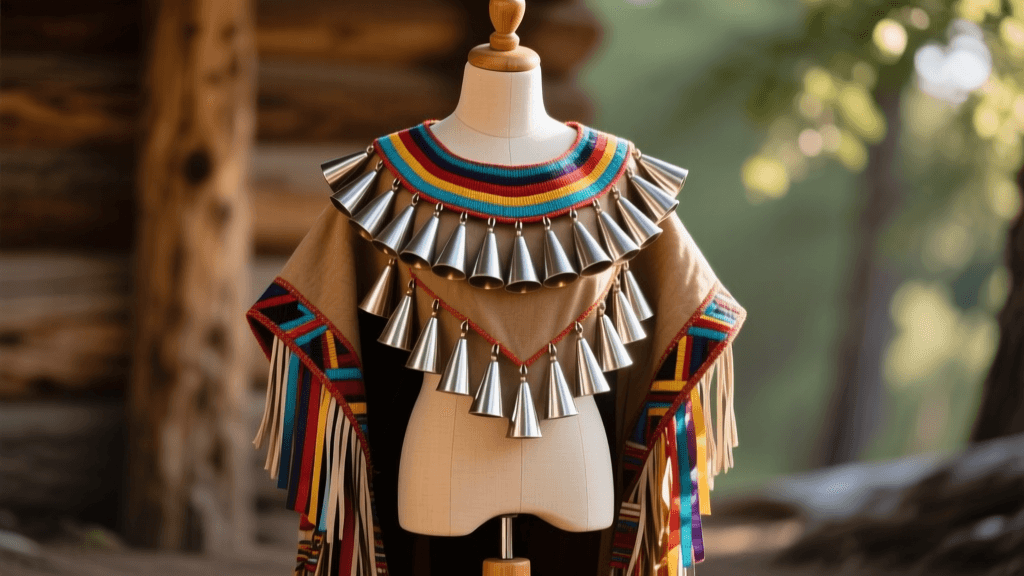
The 'jingles' are the heart of the regalia. Traditionally made from rolled snuff can lids, modern jingles are typically stamped from lightweight aluminum or tin. For a standard adult dress, you will need between 300 and 700 cones, depending on the size of the cones and the density of the design. In 2026, stamped aluminum cones are preferred over hand-rolled tin for their uniformity and lighter weight, which reduces dancer fatigue. They are usually sold by the gross (144 pieces) through specialized Native American trading posts and online regalia suppliers.
Fabric and Ribbonwork
The base fabric is traditionally a heavy cotton broadcloth or a high-quality poly-cotton blend that drapes well but can support the weight of hundreds of metal cones without tearing. Satin and taffeta are sometimes used for accent panels. Ribbonwork appliqué, utilizing double-fold satin ribbons, is used to create the geometric or floral patterns that frame the jingles. When sourcing ribbons in 2026, look for colorfast, washable satin to ensure the regalia survives the rigors of travel and outdoor powwow grounds.
Construction and Measurements
Constructing a Jingle Dress requires advanced sewing skills, particularly in reinforcing seams and managing heavy fabrics. The dress generally consists of a fitted bodice and a straight or slightly flared skirt.
Bodice and Skirt Dimensions
The bodice should be tailored to fit snugly but allow for full range of motion in the shoulders and arms. Many modern makers incorporate a dropped waist or a peplum to provide a structured transition to the skirt. The skirt must be measured carefully: it should fall just below the knee or mid-calf, ensuring it does not drag on the ground or interfere with the dancer's intricate footwork. A standard skirt circumference at the hem is between 60 and 80 inches, allowing for the necessary sway during the dance.
Attaching the Jingles: Spacing and Technique
The placement of the jingles is both an aesthetic and acoustic choice. They are typically arranged in U-shapes, V-shapes, zig-zags, or sweeping curves across the bodice and skirt.
- Spacing: Jingles are generally spaced 2 to 3 inches apart. If they are too close, they will tangle and muffle the sound; if too far apart, the dress will lack its signature acoustic fullness.
- Attachment: Each cone is attached using a sturdy cotton twill tape, grosgrain ribbon, or elastic cord. The cord is threaded through the top of the cone, knotted securely, and then sewn directly into the dress fabric or onto the ribbon appliqué.
- Reinforcement: Because the combined weight of the cones can exceed 10 pounds, it is critical to sew the attachment cords into the structural seams or apply a heavy-duty interfacing to the back of the fabric to prevent tearing.
2026 Cost Breakdown and Sourcing Table
Budgeting for a handmade Jingle Dress is a significant undertaking. The table below outlines the estimated material costs for an adult-sized dress based on 2026 market averages from North American Indigenous suppliers.
| Material | Quantity Needed | Estimated 2026 Cost (USD) | Sourcing Notes |
|---|---|---|---|
| Heavy Cotton Broadcloth | 6 - 8 yards | $90 - $140 | Choose 60-inch width for fewer seams. |
| Stamped Aluminum Cones | 4 - 5 Gross (approx. 600) | $120 - $180 | Buy in bulk from specialized powwow vendors. |
| Satin Ribbon (Appliqué) | 30 - 50 yards | $60 - $110 | 3/8-inch or 1/2-inch width, colorfast. |
| Attachment Cord/Tape | 2 - 3 spools | $25 - $40 | Heavy-duty cotton twill or elastic. |
| Interfacing & Thread | Various | $30 - $50 | Upholstery thread recommended for cones. |
| Total Estimated Materials | $325 - $520 | Excludes labor, beadwork, and accessories. |
Powwow Dance Styles and Etiquette
The Jingle Dress dance is highly regulated by tradition and powwow etiquette. The dance style is characterized by a 'snake' or zig-zag pattern across the arena. The dancer's footwork is precise and close to the ground; traditionally, the dancer should never cross her feet and must keep at least one foot on the earth at all times to maintain a connection with the ground and the healing medicine. The upper body remains relatively still and upright, allowing the dress to do the work, creating a cascading wave of sound and motion.
Etiquette surrounding the Jingle Dress is paramount. The National Endowment for the Arts frequently highlights the deep cultural respect afforded to Native American heritage fellows and traditional artists, a respect that extends to the powwow grounds. Spectators and fellow dancers must never touch a dancer's regalia without explicit permission. The Jingle Dress is not merely a costume; it is a sacred garment. If a jingle falls off during a dance, it is often treated with specific ceremonial protocols, and the dancer may stop to ensure the medicine is not broken.
Conclusion
Crafting a Jingle Dress in 2026 is a profound commitment to Indigenous artistry, history, and spiritual practice. From sourcing the right broadcloth and aluminum cones to meticulously spacing the jingles for the perfect acoustic resonance, every stitch carries intention. Whether you are a seasoned regalia maker or an emerging artisan stepping into the powwow circle, honoring the origins of the dress while utilizing modern, durable materials ensures that the healing song of the jingles will continue to resonate across the Americas for generations to come.