Geta & Zori Craft: Traditional Japanese Footwear Trends 2026
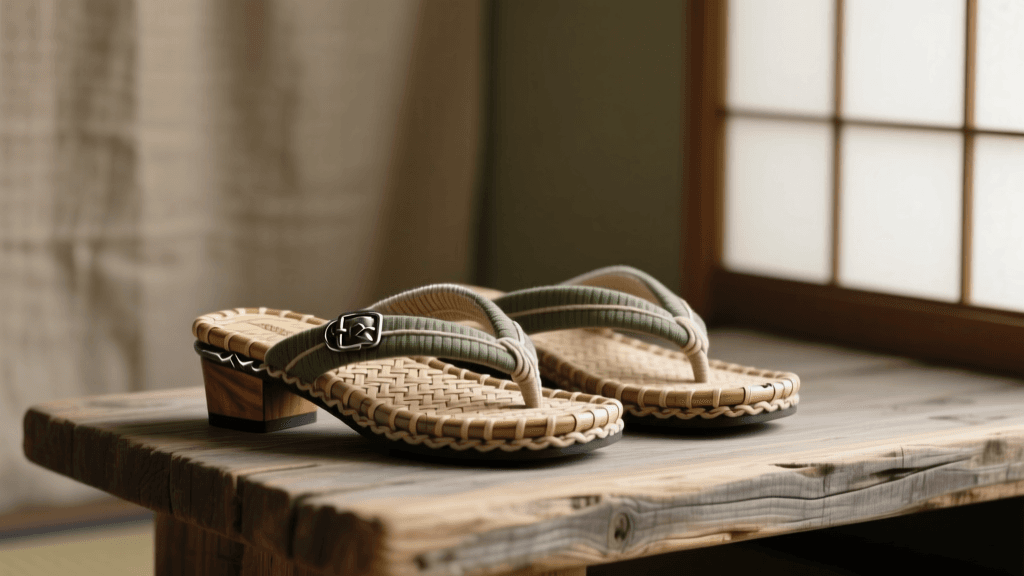
The rhythmic clack of wooden soles against stone pathways is a sound deeply woven into the sensory tapestry of Japan. As we navigate the fashion landscape of 2026, traditional Japanese footwear—specifically geta and zori—is experiencing a profound renaissance. No longer relegated solely to summer festivals or formal tea ceremonies, these meticulously crafted pieces are being embraced by a new generation of global consumers and local artisans who value sustainability, bespoke craftsmanship, and cultural preservation. At The Garment Atlas, we explore how the ancient craft of Japanese footwear is evolving in 2026, blending centuries-old woodworking techniques with modern ecological sensibilities.
The Anatomy of Traditional Japanese Footwear
To truly appreciate the craftsmanship behind these garments, one must first understand their structural anatomy. While both geta and zori serve as traditional sandals, their construction and intended uses differ significantly.
- Dai (Base): The main body of the footwear. In geta, this is a carved block of wood. In zori, it is a flat, often oval-shaped platform made from woven straw, cloth, lacquered wood, or modern synthetic materials.
- Ha (Teeth): Exclusive to geta, these are the wooden supports beneath the dai that elevate the foot. Traditional geta feature two teeth, though specialized styles like the tengu-geta feature a single, central tooth.
- Hanao (Thongs/Straps): The V-shaped straps that secure the footwear to the foot, passing between the first and second toes. The craftsmanship of the hanao is a specialized art form, often utilizing braided cotton, silk, or upcycled kimono fabrics.
- Mae-tsubo (Front Knob): The central knot or anchor point where the three straps of the hanao converge at the front of the dai.
According to historical archives at The Metropolitan Museum of Art, the elevation provided by the wooden teeth of geta was originally a practical necessity, keeping expensive silk kimonos from dragging through the mud and unpaved streets of Edo-period Japan. Today, that elevation serves as a striking stylistic and ergonomic choice.
The 2026 Shift: Sustainable Materials in Footwear Craft
The year 2026 marks a pivotal moment in the preservation of Japanese artisan crafts, driven by a consumer demand for ecological responsibility. The Japan National Tourism Organization has highlighted a massive surge in heritage craft tourism, with visitors specifically seeking out sustainable, locally sourced goods. Footwear artisans in Kurume (Fukuoka Prefecture) and Kyoto have responded with remarkable innovation.
Reclaimed and FSC-Certified Woods
Traditionally, kiri (paulownia) wood is the gold standard for geta due to its lightweight nature, natural moisture resistance, and beautiful pale grain. However, with increased scrutiny on deforestation, 2026's top bespoke workshops are exclusively utilizing FSC-certified paulownia or reclaimed hinoki (Japanese cypress) from decommissioned ryokan (traditional inns) and temples. Hinoki offers a distinct, soothing aromatic profile and superior durability, though it is slightly heavier than paulownia.
Upcycled Hanao and Bio-Resins
The hanao straps are undergoing a vibrant transformation. Artisans are partnering with local kimono recyclers to salvage high-grade silk and brocade from damaged garments, weaving them into new, one-of-a-kind straps. Furthermore, to protect the wooden bases without relying on toxic polyurethane varnishes, modern craftsmen are applying advanced, plant-based bio-resins derived from cashew nut shell liquid. This provides a waterproof, scuff-resistant finish that allows the natural grain of the wood to breathe.
'In 2026, our clients do not just want a beautiful sandal; they want a story of regeneration. When we carve a dai from a 100-year-old reclaimed cedar beam, we are transferring the memory of the forest directly to the wearer's foot.' — Master Artisan Kenjiro Sato, Kyoto Footwear Guild.
Geta vs. Zori vs. Setta: A 2026 Buyer’s Comparison Chart
Choosing the right traditional footwear depends heavily on the occasion, the outfit, and the desired comfort level. Below is a comprehensive comparison chart reflecting the market and crafting standards of 2026.
| Feature | Geta (Wooden Clog) | Zori (Flat Sandal) | Setta (Leather-soled Zori) |
|---|---|---|---|
| Base Material | Solid Wood (Kiri, Hinoki) | Woven Straw, Vinyl, Brocade | Woven Straw/Vinyl with Leather Sole |
| Primary Occasion | Yukata, Summer Festivals, Casual | Formal Kimono, Tea Ceremonies | Men's Hakama, Semi-Formal, Everyday |
| Sound Profile | Resonant 'Clack' (Karan-koron) | Silent / Soft Rustle | Muted, Heavy Thud |
| 2026 Bespoke Price | ¥18,000 - ¥45,000 | ¥25,000 - ¥80,000+ | ¥22,000 - ¥55,000 |
| Weight | Moderate to Heavy | Very Light | Moderate |
Note: Prices reflect custom-fitted, artisan-crafted pieces purchased directly from workshops or specialized boutiques in 2026, excluding mass-produced tourist souvenirs.
Mastering the Art of Walking in Geta
Purchasing a bespoke pair of geta is only half the experience; learning to walk in them is a physical discipline that engages the core and alters one's posture. Many first-time wearers in 2026 struggle because they attempt to walk in geta exactly as they do in Western sneakers. This results in an awkward, double-clacking sound and rapid fatigue.
The Biomechanics of the Geta Stride
- Posture Alignment: Stand tall with your shoulders relaxed and your pelvis slightly tucked. Elevating the heel naturally shifts your center of gravity forward.
- The Hip Lift: Do not bend your knee to lift the geta. Instead, engage your hip flexors and lift the entire leg straight from the hip. The geta should remain parallel to the ground as it rises.
- The Slide and Strike: Step forward and allow the front tooth (ha) to strike the ground first, followed immediately by the back tooth. When executed correctly, this produces a single, sharp, and highly satisfying 'clack' rather than a clumsy 'clack-clack'.
- Pacing: Shorten your stride. Traditional Japanese garments, particularly the restrictive hemlines of kimono and yukata, necessitate a smaller, more deliberate gait.
Sourcing and Caring for Your Bespoke Pair
If you are looking to invest in authentic Japanese footwear in 2026, bypass the airport souvenir shops. Seek out specialized districts such as the Tsukiji outer market area in Tokyo, which still hosts a few legacy footwear shops, or plan a trip to Kurume City in Fukuoka, historically renowned as the geta capital of Japan. For high-end formal zori, the Nishijin district in Kyoto remains the undisputed epicenter of textile and footwear luxury.
Essential Maintenance Protocols
Wooden footwear requires care to withstand varying global climates, especially if you are taking your geta back to a humid or exceptionally dry environment.
- Hydration and Oiling: Once every six months, apply a light coat of kurumi (walnut) oil or pure tung oil to the unfinished wooden bases. This prevents the wood from cracking in dry, centrally heated homes during winter.
- Hanao Replacement: The straps are the first component to show wear. A skilled cobbler or the original artisan can re-thread and replace the hanao without damaging the wooden dai. Expect to replace them every 2 to 4 years depending on usage frequency.
- Moisture Management: If your geta are caught in the rain, wipe them down immediately with a dry microfiber cloth and let them air-dry in a well-ventilated, shaded area. Never place them near a direct heat source, as rapid drying will warp the paulownia wood and cause the teeth to split.
Conclusion: Stepping into the Future of Heritage
The landscape of traditional Japanese footwear in 2026 is a testament to the resilience of heritage crafts. By adapting to modern ecological standards and embracing bespoke, made-to-order business models, artisans are ensuring that the art of geta and zori crafting survives and thrives. Whether you are pairing a lightweight paulownia geta with a breathable linen yukata for a summer evening, or stepping into a pair of brocade zori for a formal occasion, you are participating in a living, breathing tradition that connects the earth to the wearer with every deliberate step.