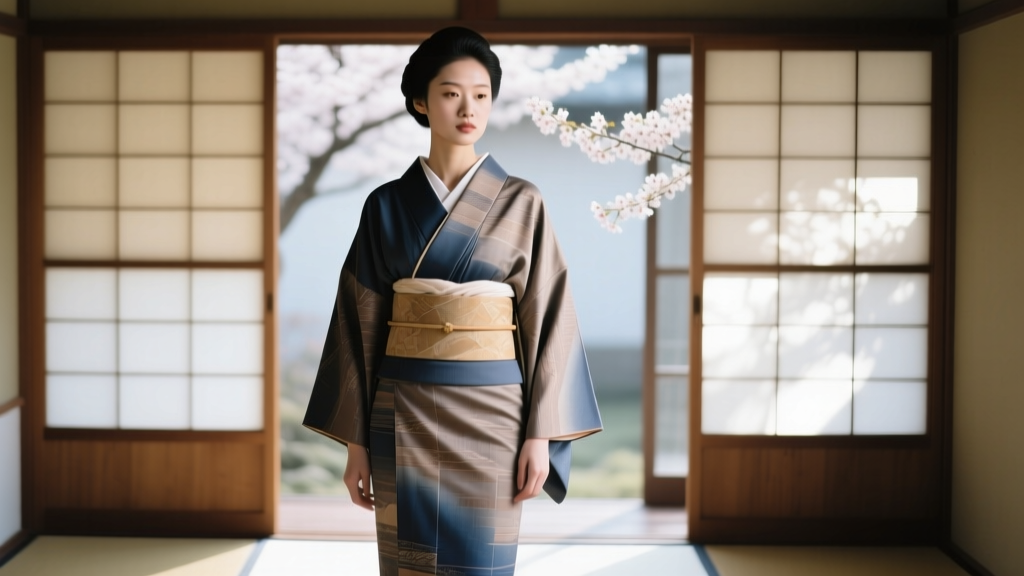
Traditional Chinese Dress Names & Modern Styling Tips

When global audiences search for the name of the traditional Chinese dress, they are most often picturing the iconic, form-fitting silhouette of the Qipao (Cheongsam). However, China’s sartorial history spans over three millennia, encompassing a rich ecosystem of garments that vary drastically by dynasty, region, and ethnic group. To truly appreciate and wear Chinese cultural garments today, one must look beyond a single label and understand the distinct names, constructions, and styling potentials of the Qipao, Hanfu, and Tangzhuang.
This comprehensive styling guide decodes the true names of traditional Chinese dresses, providing actionable advice on how to integrate these historic garments into a modern, respectful, and fashion-forward wardrobe.
Decoding the Name of the Traditional Chinese Dress
There is no single 'traditional Chinese dress.' Instead, the terminology shifts based on historical context and ethnic lineage. The three primary categories recognized in contemporary fashion and cultural revival movements include:
- Qipao (旗袍) / Cheongsam: The modernized, tailored dress that emerged in 1920s Shanghai, blending Manchu heritage with Western darting and bias cuts.
- Hanfu (汉服):strong> The historical clothing of the Han Chinese, spanning from the Huangdi era to the late Ming Dynasty, characterized by cross-collars, wide sleeves, and sash-tied waists.
- Tangzhuang (唐装): A modern festive jacket adapted from the Qing Dynasty Magua (horse jacket), popularized globally in the early 2000s.
The Qipao (Cheongsam): Tailoring and Contemporary Styling
Often mistakenly assumed to be the sole answer to the query 'what is the name of the traditional Chinese dress,' the Qipao is actually a relatively modern invention. Originating in the 1920s as a symbol of female emancipation in Shanghai, it evolved from the loose, A-line robes of Manchu women into the figure-hugging silhouette we recognize today.
Fabric and Construction Details
Authentic Qipao construction is a masterclass in tailoring. Key elements include the shui xiu (though more common in opera, modern Qipao utilize tailored set-in sleeves), the high mandarin collar, and the intricate pankou (frog closures). The side slits, known as kai cha, were introduced to allow for movement and reveal a glimpse of the leg.
For premium, investment-grade garments, look for Xiangyunsha (Gambiered Canton Gauze). This国家级 (national-level) intangible cultural heritage fabric is dyed with river mud and薯莨 (薯莨 juice), resulting in a breathable, rustling silk that is naturally water-resistant and cooling. According to the Victoria and Albert Museum's archives on Chinese dress, the integration of Western tailoring techniques in the 1930s allowed the Qipao to celebrate the natural curves of the body, a radical departure from previous dynastic modesty.
Modern Wardrobe Integration
You do not need a formal gala to wear a Qipao. Modern styling relies on juxtaposition and layering:
- The Daily A-Line: Opt for an A-line Qipao in breathable cotton or linen blends ($50–$120 USD) rather than skin-tight silk. Pair it with white leather sneakers and a cropped denim jacket for a contemporary streetwear look.
- Winter Layering: Wear a sleeveless, midi-length wool-blend Qipao over a fitted black turtleneck and opaque tights. Finish with knee-high leather boots.
- Office Appropriate: Choose a Qipao with a modest hemline (just below the knee) and lower side slits. A subtle jacquard or muted Song brocade fabric elevates the garment for professional environments.
Hanfu (汉服): Reviving Ancient Silhouettes for Daily Wear
The Hanfu movement has exploded over the last decade, with millions of young Chinese people reclaiming their ancestral dress. Hanfu is not a single dress but a vast system of garments. The most iconic silhouette for women is the Ruqun (襦裙), consisting of a top (ru) and a wrap-around skirt (qun).
The Mamianqun: A Streetwear Staple
If there is one Hanfu piece that has seamlessly crossed over into mainstream global fashion, it is the Mamianqun (马面裙), or 'horse-face skirt.' Originating in the Ming Dynasty, this skirt features two flat, unpleated panels at the front and back, with heavily pleated sides. The flat panels often feature intricate zhuanghua (woven gold or silver threads) depicting auspicious motifs like dragons, phoenixes, or peonies.
Styling the Mamian Skirt for the Modern Office
The Mamianqun is surprisingly versatile. Because the waistband is traditionally tied with sashes, many modern brands now offer versions with hidden elastic or hook-and-eye closures for convenience ($80–$300 USD for high-quality woven polyester or silk blends).
- The Contrast Top: Tuck a crisp, white button-down Oxford shirt or a fitted ribbed knit sweater into the high waist of a dark, woven Mamianqun. The flat front panel acts like a sleek pencil skirt, while the pleats offer dramatic movement.
- The Song Dynasty Beizi: Layer a Beizi (a long, open-front coat with side slits) over a simple camisole and wide-leg trousers. This creates an elegant, elongated silhouette perfect for evening events or gallery openings.
The Tang Suit (Tangzhuang): Festive Outerwear Reimagined
Despite its name, the Tangzhuang (唐装) has little to do with the Tang Dynasty. It is a modern hybrid born from the Qing Dynasty Magua, featuring a structured collar and pankou buttons down the center front. It gained massive international visibility during the 2001 APEC summit in Shanghai when world leaders wore them for a group photo.
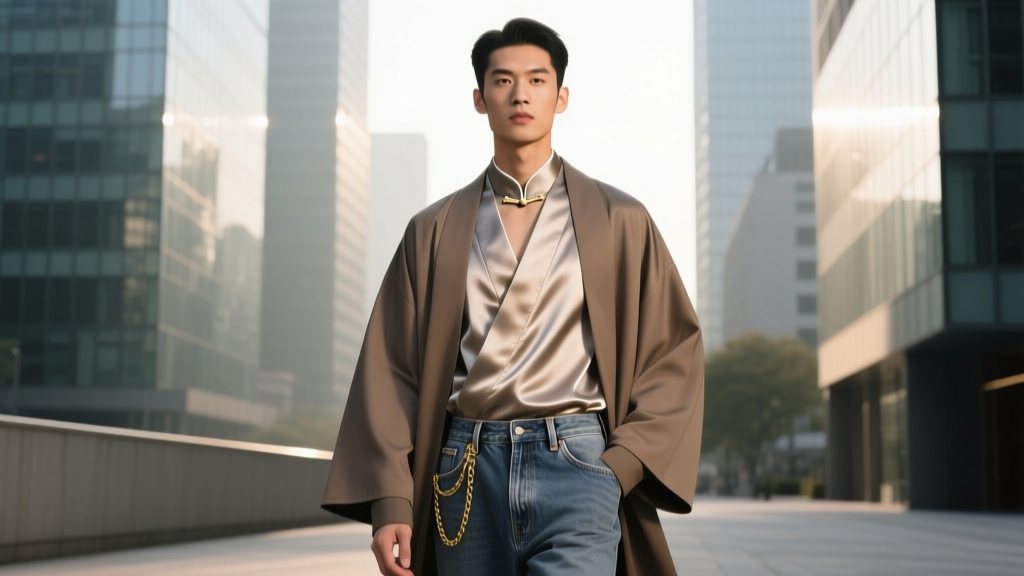
Modern Styling Tip: Move away from the shiny, mass-produced synthetic brocades often sold in tourist shops. Instead, seek out Tangzhuang jackets crafted from matte linen, raw silk, or heavy cotton ($150–$400 USD). Wear them unbuttoned over a plain white t-shirt and dark denim, treating them as a cultural alternative to the Western blazer or bomber jacket.
Quick Reference: Garment Names, Occasions, and Price Ranges
| Garment Name | Native Term | Era of Origin | Key Construction | Modern Styling Tip | Price Range (USD) |
|---|---|---|---|---|---|
| Qipao / Cheongsam | 旗袍 | 1920s Shanghai | Mandarin collar, side slits, frog closures | Layer with denim or turtlenecks for daily wear | $80 - $3,000+ |
| Hanfu (Ruqun) | 汉服 (襦裙) | Han to Ming Dynasties | Cross-collar, wide sleeves, sash tie | Pair Beizi coats with modern trousers | $100 - $600 |
| Mamianqun | 马面裙 | Ming Dynasty | Flat front/back panels, pleated sides | Wear as a statement skirt with a crisp blouse | $80 - $400 |
| Tang Suit | 唐装 | Modern (Qing roots) | Center-front buttons, structured collar | Wear as a casual bomber-style jacket | $150 - $500 |
Cultural Protocols and Respectful Wearing
When integrating these garments into your wardrobe, understanding cultural protocols is paramount to avoid unintentional disrespect.
The Golden Rule: Jiaoling Youren
For Hanfu and traditional cross-collar garments, the left lapel must always cross over the right lapel. This rule, known as jiaoling youren (交领右衽), is a foundational aspect of Han cultural identity. As noted by historians at the Metropolitan Museum of Art's Heilbrunn Timeline, the right-over-left configuration was historically reserved exclusively for the deceased or 'barbarian' tribes. Always double-check your collar alignment before stepping out.
Color Symbolism
While modern fashion has relaxed many color taboos, it is wise to understand traditional associations. Pure, unadorned white and unhemmed fabrics are traditionally associated with mourning and funerals. Conversely, vibrant reds symbolize joy, luck, and matrimony. When styling a Qipao or Hanfu for a joyous occasion or a professional setting, opt for jewel tones, pastels, or intricate patterns rather than stark, funeral-associated whites.
Authoritative Resources for Further Study
To deepen your understanding of Chinese textile history and authentic construction, we recommend consulting the following institutions:
- The China National Silk Museum: Located in Hangzhou, this institution offers unparalleled insights into the evolution of silk weaving, Song brocade, and traditional dyeing techniques like Xiangyunsha. Visit their digital archives at the China National Silk Museum.
- The Victoria and Albert Museum (V&A): The V&A houses an extensive collection of Qing dynasty robes and early 20th-century Qipao, providing excellent visual references for historical embroidery and tailoring.
- Academic Texts: For those interested in the socio-political evolution of the Qipao, explore academic publications on 1930s Shanghai modernity and the 'New Woman' movement.
Understanding the true name of the traditional Chinese dress is just the beginning. By respecting the construction, history, and cultural protocols of the Qipao, Hanfu, and Tangzhuang, you can style these magnificent garments with confidence, bridging the gap between ancient heritage and contemporary elegance.