Traditional Chinese Clothing for Women: 2026 Care Guide

The Living Wardrobe: Caring for Traditional Chinese Garments
The global renaissance of traditional Chinese clothing women embrace—ranging from the flowing silhouettes of Hanfu to the tailored elegance of the Qipao—has transformed historical dress into a living, breathing aspect of modern fashion. However, owning these garments comes with a profound responsibility. Unlike fast fashion, authentic traditional Chinese garments are constructed from delicate protein fibers, complex brocades, and natural dyes that require specialized maintenance. Whether you are investing in a bespoke silk Cheongsam or a hand-pleated Mamianqun, understanding the intersection of textile conservation and cultural respect is essential.
This comprehensive care guide draws upon museum-grade conservation standards to help you protect your investment, honor the artisans who crafted your garments, and ensure your pieces remain vibrant for generations.
The Fabric Foundation: Understanding Silk, Ramie, and Brocade
Before applying water or heat, you must identify the fiber composition. Traditional Chinese clothing women wear for festivals and daily life typically relies on three primary textile categories:
- Mulberry Silk (Sangcan Si): The backbone of high-end Hanfu and Qipao. It is a protein fiber that is highly sensitive to alkaline substances, UV light, and high heat.
- Xiangyunsha (Gambiered Canton Silk): A highly prized, heritage fabric dyed with the juice of the Dioscorea cirrhosa plant and coated in iron-rich river mud. It features a distinctive crackled glaze and requires highly specific, non-alkaline care.
- Song and Shu Brocades (Song Jin / Shu Jin): Heavy, multi-layered jacquard weaves often incorporating metallic threads. These are structurally rigid and prone to snagging.
- Ramie and Linen (Xia Bu): Plant-based cellulose fibers used for summer Ruqun (blouse and skirt sets). These are more durable and can withstand gentle machine washing, though they wrinkle easily.
Washing Protocols: Hand-Care vs. Professional Conservation
According to textile conservation guidelines from the Victoria and Albert Museum, protein fibers like silk degrade rapidly when exposed to standard biological laundry detergents, which contain enzymes designed to break down proteins. Always use a pH-neutral (pH 5.5 to 6.5) detergent specifically formulated for silk and wool.
The Mamianqun (Horse-Face Skirt) Pleat Preservation
The Mamianqun is a staple of the Ming-dynasty inspired Hanfu revival. Its defining feature is the intricate, heat-set or stitch-bound knife pleats flanking a flat front and back panel. Never submerge and wring a Mamianqun. The agitation will permanently distort the pleat structure. Instead, use a 'dip and press' method: submerge the skirt in cool water (below 30°C / 86°F) with silk detergent for no more than three minutes. Gently press the water through the fabric without twisting. Rinse in cool water with a splash of white vinegar to restore the silk's natural luster and remove detergent residue.
Qipao and Cheongsam Spot-Cleaning Techniques
Fully lined, tailored Qipao garments often feature internal padding, stiffening collars, and delicate Pankou (knotted silk buttons). Submerging a structured Qipao can cause the inner interfacing to buckle. For minor stains, use a microfiber cloth dampened with distilled water and a drop of neutral detergent to gently dab the area. Avoid rubbing, which will cause the silk fibers to 'fuzz' or pill. If the garment is heavily soiled, it must be taken to a dry cleaner who specializes in heritage textiles and understands the fragility of metallic embroidery threads.
Drying and Ironing: Heat Management for Delicate Fibers
Direct sunlight is the enemy of natural dyes. The Metropolitan Museum of Art notes that historical Asian textiles are highly susceptible to photodegradation, which causes irreversible fading and fiber embrittlement. Always dry your garments flat on a clean, white cotton towel in a shaded, well-ventilated area. Never use wire hangers, as they will leave permanent rust marks and distort the shoulder seams of an Aoqun (jacket and skirt set).
When ironing, heat management is critical:
- Temperature: Set your iron to the 'Silk' or 'Low' setting (maximum 110°C / 230°F).
- Barrier Method: Always place a clean, unbleached cotton pressing cloth between the iron and the garment. Direct contact will scorch the silk and leave a permanent yellow shine.
- Pankou Protection: When ironing a Qipao, carefully iron around the knotted Pankou buttons. Pressing them directly will flatten their three-dimensional structure and ruin the artisan's knotting work.
- Pleat Resetting: For Mamianqun pleats, lay the skirt flat, align the pleats with your fingers, pin them lightly to an ironing board cover, and hover a steam iron an inch above the fabric. The steam will reset the pleats without crushing the silk weave.
Archival Storage Solutions for the Modern Hanfu Wardrobe
Proper storage is where the longevity of traditional Chinese clothing women collect is truly determined. The Getty Conservation Institute emphasizes the importance of climate control and archival materials in textile preservation.
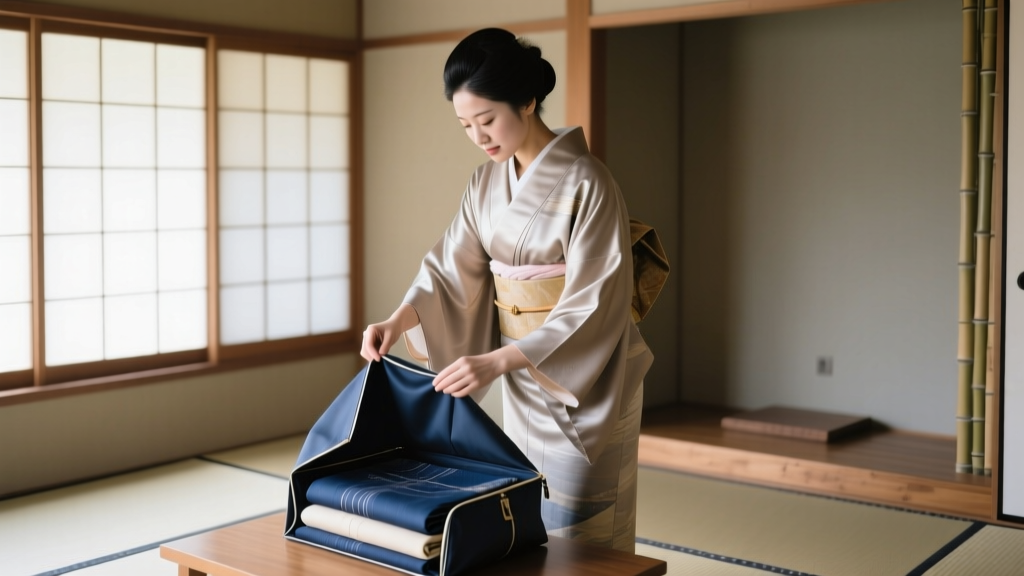
- Acid-Free Tissue: Fold your Hanfu garments using unbuffered, acid-free tissue paper to cushion the folds. Sharp creases left in silk for months will eventually cause the fibers to snap along the fold lines.
- Moth Prevention: Avoid chemical mothballs (naphthalene or paradichlorobenzene), as their off-gassing reacts with silk proteins and metallic threads, causing discoloration and corrosion. Instead, use natural alternatives like camphor wood blocks, dried lavender sachets, or cedar rings, ensuring they do not directly touch the fabric.
- Hanging vs. Boxing: Lightweight summer Ruqun and Yukata-style robes can be hung on wide, padded velvet hangers. However, heavy winter Aoqun jackets, Xiangyunsha coats, and heavily embroidered Qipao should be stored flat in archival cotton storage boxes to prevent gravitational stress on the shoulder seams.
Care Matrix: Fabric, Maintenance, and Market Value
Understanding the financial and material value of your garments helps dictate the level of care required. Below is a comprehensive matrix detailing the intersection of fabric, maintenance protocols, and current market pricing for authentic pieces.
| Garment Type | Primary Fabric | Wash Method | Storage Protocol | Price Range (USD) |
|---|---|---|---|---|
| Mamianqun (Horse-Face Skirt) | Polyester-blend Brocade | Gentle Machine (Cold) | Hanging (Padded) | $40 - $90 |
| Mamianqun (Heritage) | 100% Mulberry Silk / Song Brocade | Spot Clean / Dry Clean Only | Flat Box with Acid-Free Tissue | $150 - $450 |
| Summer Ruqun (Blouse/Skirt) | Ramie / Linen (Xia Bu) | Hand Wash (pH Neutral) | Hanging (Wooden/Velvet) | $60 - $150 |
| Xiangyunsha Coat | Gambiered Canton Silk | Hand Wash (Strict pH 5.5) | Flat Box (No Chemical Mothballs) | $250 - $800+ |
| Bespoke Qipao / Cheongsam | Heavy Silk Crepe / Shu Brocade | Professional Dry Clean Only | Hanging (Padded) in Breathable Bag | $500 - $2,500+ |
Conclusion: Honoring the Artisans Through Care
Maintaining traditional Chinese clothing is not merely a chore; it is an act of cultural preservation. The weavers, dyers, and tailors who create these garments utilize techniques that have been passed down for centuries. By adopting museum-grade care protocols—respecting the pH sensitivity of silk, protecting the structural integrity of pleats, and utilizing archival storage—you ensure that the vibrant legacy of Asian textile arts continues to thrive in the modern wardrobe.