Modern Styling Guide to Traditional Chinese Fashion

The Xinzhongshi Movement: Blending Eras
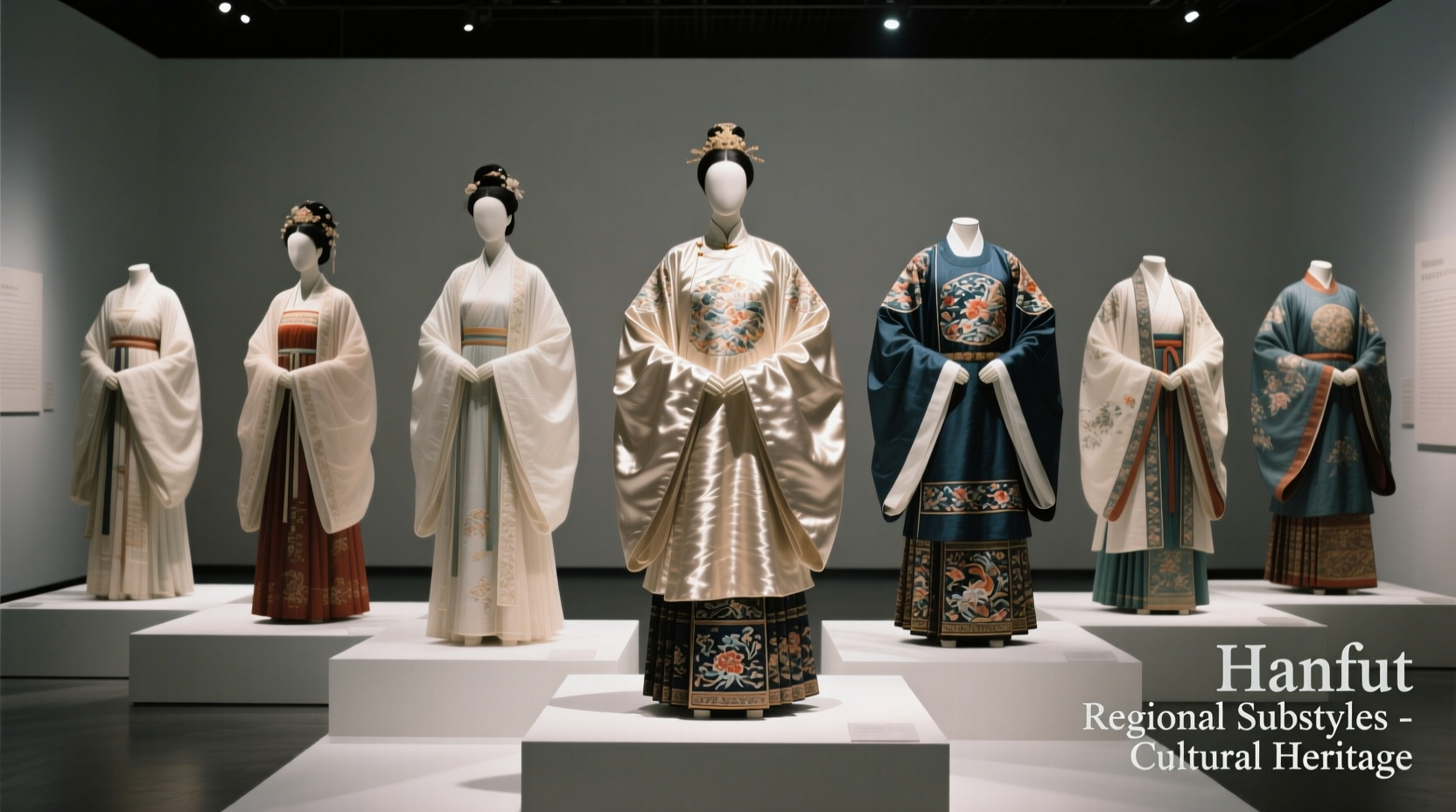
The contemporary revival of traditional Chinese fashion is not about wearing historical costumes; it is about integrating centuries of sartorial wisdom into modern life. This movement, widely known in China as Xinzhongshi (New Chinese Style), focuses on extracting the structural elegance of historical garments and pairing them with contemporary streetwear and minimalist tailoring. Rather than adopting a full, head-to-toe historical silhouette—which can feel theatrical or impractical for daily commutes—modern stylists isolate key elements like the standing collar (Liling), the horse-face skirt (Mamianqun), or the open-front jacket (Beizi) and anchor them with modern basics.
The key to mastering Xinzhongshi is contrast. A Song Dynasty-inspired silk Beizi, characterized by its straight, open-front silhouette and side slits, layers beautifully over a fine-gauge merino wool turtleneck and tailored wide-leg trousers. This approach respects the garment's original architectural lines while adapting its function for climate control and urban mobility. According to textile archives at the China National Silk Museum, the Song era favored understated elegance and monochromatic palettes, making these specific historical pieces exceptionally easy to integrate into a modern capsule wardrobe.
Integrating the Mamianqun into Daily Wardrobes
Perhaps no garment has bridged the gap between historical dress and modern fashion as successfully as the Mamianqun (horse-face skirt). Originating in the Song Dynasty and reaching its zenith during the Ming Dynasty, this skirt is a masterclass in structural engineering. It features two flat, unpleated front and back panels (guangmian) flanked by heavily pleated side panels (zhe). The overlapping wrap construction allows for incredible freedom of movement while maintaining a rigid, dignified silhouette when standing still.
Styling the Mamianqun
- The Office Appropriate Look: Pair a solid-colored, matte-finish Mamianqun with a crisp, oversized white button-down shirt. Tuck the shirt in to highlight the skirt's structured waistband. Opt for skirts woven from cotton-polyester jacquard blends (typically priced between $40–$80 USD), which hold their pleats well and resist wrinkling during travel.
- Evening Elegance: For formal events, select a Mamianqun crafted from Zhuanghua brocade or heavy silk satin. The flat front panels often feature intricate woven motifs like coiling dragons, phoenixes, or floral medallions. Because the skirt is visually commanding, keep the upper half minimalist—a simple black silk camisole or a fitted cashmere sweater.
- Proportional Balance: Because the skirt is voluminous and heavily pleated at the sides, avoid bulky, oversized sweaters that obscure the waistline. Cropped jackets or belts worn over long tunics help define the silhouette.
Rethinking the Qipao for Contemporary Events
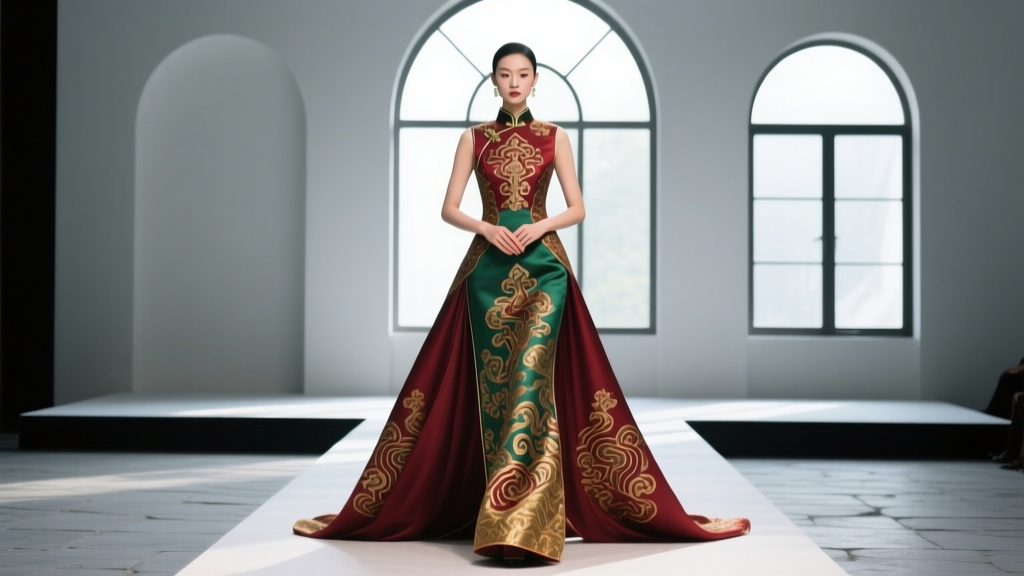
When Western audiences think of traditional Chinese fashion, the Qipao (or Cheongsam) is often the first garment that comes to mind. However, the hyper-fitted, high-slit iteration popularized by 1930s Shanghai calendar posters is only one chapter in the garment's evolution. Modern styling favors a return to the 1920s silhouette or the Ming-dynasty Ao (lined jacket), which offers a more relaxed, forgiving fit that prioritizes the drape of the fabric over body-constriction.
For contemporary wear, look for Qipaos crafted from 16mm to 19mm silk crepe de chine or matte linen blends. These fabrics offer a fluid drape that moves gracefully without clinging. The Metropolitan Museum of Art's textile archives showcase numerous early 20th-century Qipaos that feature lower, more relaxed collars and geometric Art Deco-inspired Pan Kou (knotted frog buttons). When styling a modern Qipao, avoid matching it with overly ornate jewelry. Instead, let the Pan Kou serve as the primary decorative element, and pair the dress with structured leather handbags and minimalist drop earrings.
Layering Techniques and the Sacred Collar Protocol
When incorporating Hanfu elements like the Aoqun (jacket and skirt set) into modern wear, understanding cultural protocols is non-negotiable. The most critical rule in Han Chinese dress is Jiaoling Youren (交领右衽)—the intersecting collar where the left side of the garment crosses over the chest and is secured under the right arm.
Cultural Protocol Alert: The 'Right over Left' lapel configuration (Zuoren) is strictly reserved for dressing the deceased in traditional Chinese funerary rites. Wearing a garment with the right lapel over the left in daily life is considered highly inauspicious and culturally disrespectful. Always ensure your wrap tops and jackets cross left-over-right.
For modern layering, a Ming-style Pijian (sleeveless or short-sleeved vest) with a standing collar can be worn over a modern long-sleeve turtleneck or a simple linen blouse. This provides the visual framing of historical dress while utilizing modern, easy-care base layers. The Victoria and Albert Museum's Chinese collections highlight how Ming dynasty layering relied heavily on contrasting textures—such as a matte cotton inner layer beneath a lustrous silk vest—a technique that translates perfectly to modern autumn and winter styling.
Sourcing Authentic Pieces: Price Guide and Artisan Cooperatives
The market for traditional Chinese fashion is vast, ranging from fast-fashion costume replicas to museum-grade artisan pieces. Investing in quality construction ensures the garments drape correctly and last for years. Below is a sourcing matrix for modern buyers.
| Garment Type | Historical Era | Modern Styling Application | Avg. Price (USD) | Fabric Focus |
|---|---|---|---|---|
| Mamianqun | Ming Dynasty | Office wear, evening events | $40 - $150 | Jacquard weaves, wool blends |
| Song Beizi | Song Dynasty | Light outerwear, spring layering | $60 - $200 | Raw silk, linen, chiffon |
| Bespoke Qipao | 1920s-1940s | Formal events, galas, weddings | $400 - $2,000+ | Heavy silk crepe, velvet |
| Xiangyunsha Set | Qing Dynasty/Republic | Luxury summer wear, resort styling | $500 - $1,500 | Gambiered Canton Gauze (Mud Silk) |
Note on Xiangyunsha: Also known as Gambiered Canton Gauze, this UNESCO-recognized intangible cultural heritage fabric is dyed using the juice of the Dioscorea cirrhosa tuber and coated in iron-rich river mud from the Pearl River Delta. It features a dual-toned finish (black on one side, rich brown on the other) and a distinct, crisp rustling sound. It requires specialized dry cleaning and should be styled with minimalist accessories to let the textile's organic texture shine.
Footwear and Accessory Harmonization
The most common pitfall when styling traditional Chinese fashion for modern wear is selecting footwear that pushes the outfit into 'costume' territory. Avoid theatrical, embroidered cloth shoes unless you are attending a specific cultural festival. Instead, harmonize the historical silhouette with structured, contemporary footwear.
- For the Mamianqun: Leather Mary Janes, pointed-toe loafers, or sleek Chelsea boots provide a grounded, architectural base that balances the skirt's volume. If the skirt is calf-length, a low-block heel elongates the leg without compromising the historical hemline.
- For the Qipao: Strappy minimalist sandals in nude or metallic tones work beautifully for summer. In cooler months, pair a midi-length Qipao with knee-high suede boots, allowing just a sliver of the skirt's side slit to peek through.
- Hair Accessories (Zan): If you choose to wear a hairpin, opt for matte metals, carved wood, or celluloid. Avoid cheap, shiny plastics or overly large theatrical phoenix crowns. A single, elegantly carved wooden Zan securing a modern low chignon bridges the gap between historical reverence and contemporary chic.
By treating traditional Chinese fashion as a living, breathing design vocabulary rather than a static museum exhibit, you can create a wardrobe that is deeply rooted in cultural heritage while remaining entirely relevant to the rhythms of modern life.