Exploring the Different Types of Hanfu: Regional Substyles
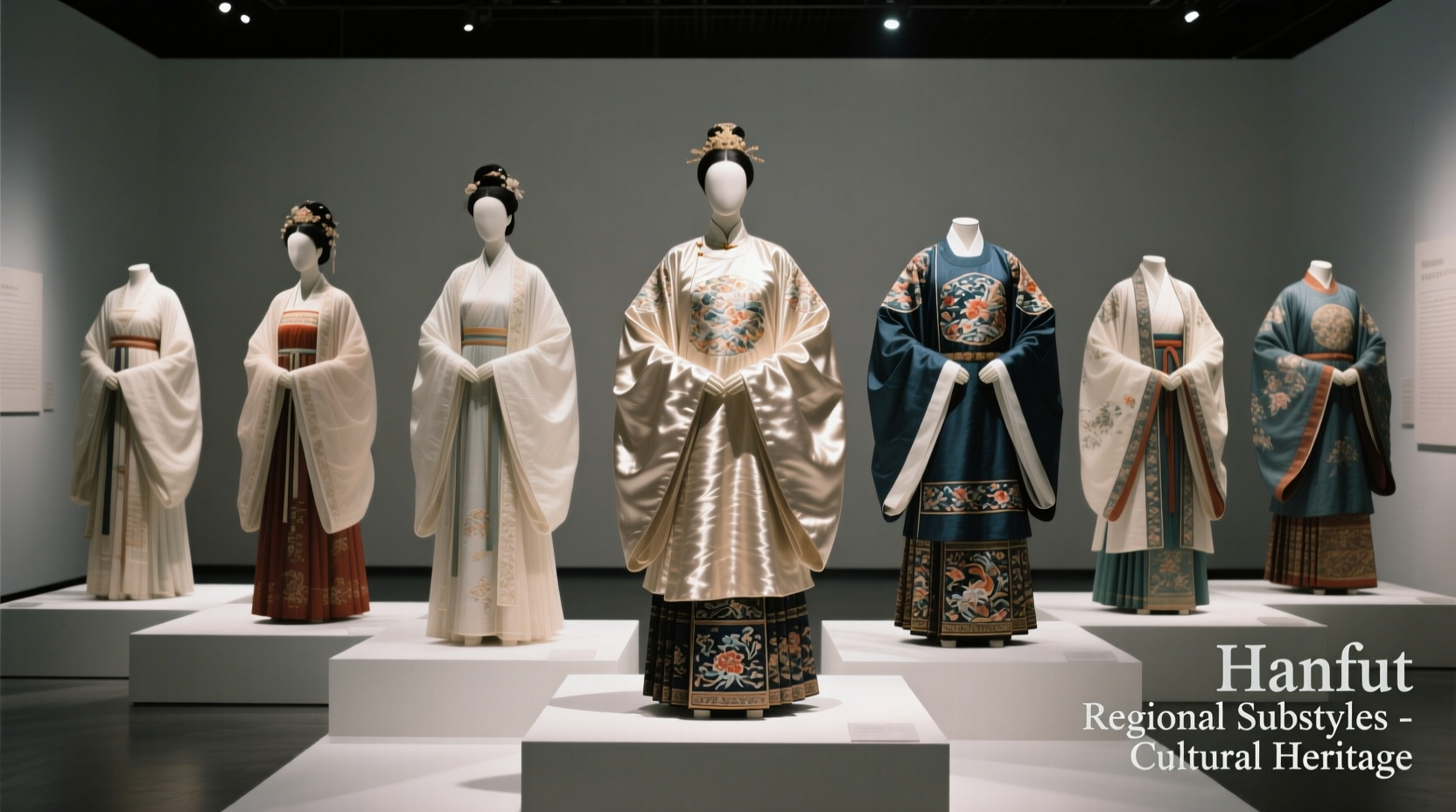
When enthusiasts, historians, and artisans discuss the traditional clothing of the Han Chinese, they are rarely referring to a single, monolithic garment. Instead, the term encompasses a vast, evolving ecosystem of textiles, silhouettes, and weaving techniques shaped by geography, climate, and dynastic shifts. Understanding the different types of hanfu requires looking beyond basic historical era labels and examining the profound regional variations and substyles that define this living tradition. From the heavy, wind-blocking pleats of the Northern plains to the sheer, gambiered silks of the Lingnan south, regional geography has always dictated the Hanfu wardrobe.
The Geography of Hanfu: How Climate Shaped Silhouettes
The traditional Han Chinese heartland spans diverse climatic zones, primarily divided by the Yangtze River. This geographic divide birthed two distinct aesthetic and functional substyles within the broader Hanfu tradition. In the North, particularly around the historical capitals of Chang'an, Luoyang, and Beijing, winters are harsh and winds are biting. Consequently, Northern Hanfu substyles—most notably those popularized during the Ming Dynasty (1368–1644)—prioritize structural layering, padded linings, and heavy, tightly woven fabrics like Yun brocade and wool-blended damasks.
Conversely, the Jiangnan region (South of the Yangtze River) and the deep South (Lingnan) feature humid, subtropical climates. Here, the Ruqun (jacket and skirt) and sheer silk robes of the Tang and Song dynasties flourished. Southern artisans developed specialized weaving and dyeing techniques to create breathable, moisture-wicking garments that maintained elegance without causing heat exhaustion. According to the China National Silk Museum, the divergence in regional sericulture (silk farming) directly influenced these silhouettes, with Southern silks favoring lightweight gauzes and Northern textiles favoring thick, patterned satins.
Structural Forms: A Guide to the Core Silhouettes
Before diving into regional textiles, it is essential to understand the foundational structures that make up the different types of hanfu. While regional climates dictate the fabric weight and layering, the core architectural rules of Hanfu remain consistent across China.
| Garment Form | Primary Characteristics | Regional / Climatic Association |
|---|---|---|
| Shenyi (深衣) | A full-body, one-piece robe where the upper jacket and lower skirt are sewn together. Features wide sleeves and a continuous hem. | Central Plains; historically favored by scholars and officials for formal rites. |
| Ruqun (襦裙) | A short, cross-collared jacket (ru) tucked into a high-waisted or low-waisted pleated skirt (qun). | Southern / Jiangnan; warmer climates favoring lightweight, breathable silks. |
| Mamianqun (马面裙) | The 'horse-face' skirt featuring two flat, overlapping front/back panels flanked by tightly knife-pleated side panels. | Northern / Ming Dynasty; the heavy pleats and overlapping panels provided excellent wind resistance. |
| Yuanlingpao (圆领袍) | A round-collared robe, often fastened with a leather or jade belt. Sleeves can be narrow or wide. | Northwestern borders; heavily influenced by equestrian cultures and adapted for travel and riding. |
Regional Textile Hubs and Their Signature Substyles
The true diversity of Hanfu substyles is best observed through regional textile production. Historically, specific provinces became renowned for distinct weaving and dyeing methods, creating localized Hanfu substyles that are highly sought after by modern collectors and practitioners.
Lingnan (Guangdong): The Xiangyunsha Substyle
One of the most unique and highly prized regional substyles originates from the Pearl River Delta in Guangdong province. Xiangyunsha (Gambiered Canton Gauze) is a highly specialized silk that undergoes a grueling, 30-step dyeing process. The silk is repeatedly soaked in the juice of the Dioscorea cirrhosa (Shuliang) yam, then coated in iron-rich river mud and baked in the sun. The chemical reaction between the yam's tannins and the mud's iron creates a dark, rustling, water-resistant fabric that feels like soft leather or rustling leaves. Historically worn by wealthy Southern merchants, Xiangyunsha Hanfu is incredibly breathable, making it the ultimate luxury substyle for humid Southern summers.
Jiangnan (Suzhou & Hangzhou): Song Dynasty Minimalism
The Jiangnan region is the undisputed capital of Chinese silk, home to the legendary Su Embroidery and Hangzhou's sheer gauzes. The Hanfu substyle associated with this region draws heavily from the Song Dynasty (960–1279) aesthetic: minimalist, understated, and focused on the drape of the fabric rather than ostentatious patterns. Garments like the Beizi (a long, open-front overcoat) are crafted from ultra-thin, translucent silks like Luo (gauze) and Sha. The Palace Museum in Beijing houses numerous Song-era artifacts that highlight the Jiangnan preference for subtle, monochromatic elegance and intricate, tone-on-tone weaving.
Sichuan: Shu Brocade and Tang Dynasty Vibrancy
In the Southwest, the Sichuan basin has produced Shu Jin (Shu Brocade) for over two millennia. Known for its vibrant colors, complex geometric patterns, and heavy, durable weave, Shu Brocade is the foundation of the opulent Tang Dynasty (618–907) Hanfu substyle. Garments made from Shu Brocade are stiff, structured, and visually commanding, often featuring wide, floor-sweeping sleeves and elaborate floral motifs woven with metallic threads.
Modern Sourcing: Price Ranges and Artisan Cooperatives
For those looking to purchase authentic Hanfu that respects these regional traditions, understanding the modern manufacturing landscape is crucial. The market is generally divided into mass-produced commercial hubs and artisan-led cooperatives.
- Mass Production (Cao County, Shandong): Cao County produces over 70% of the world's commercial Hanfu. These garments are largely machine-made using synthetic blends like polyester-chiffon. A standard Cao County Mamianqun or Ruqun set costs between 150–300 RMB ($20–$45 USD). While affordable and accessible, they lack the regional textile authenticity of historical substyles.
- Mid-Tier Artisans (Hangzhou & Nanjing): Brands focusing on historical accuracy utilize genuine mulberry silk, regional damasks, and accurate pattern drafting based on archaeological findings. Expect to pay 800–2,500 RMB ($110–$350 USD) for a complete, high-quality set featuring authentic Su embroidery or Nanjing Yun brocade.
- Heritage Textiles (Lingnan Xiangyunsha): Authentic, intangible-heritage-certified Xiangyunsha is rare and expensive due to the manual labor and specific river mud required. A genuine Xiangyunsha Hanfu robe or skirt from a Guangdong artisan cooperative commands 3,000–8,000 RMB ($420–$1,100 USD) and is considered an investment piece.
Cultural Protocols and Wearing Etiquette
Regardless of the regional substyle or fabric chosen, all Hanfu adheres to strict cultural protocols. The most critical rule is Jiaoling Youren (交领右衽)—the cross-collar must always wrap with the left side over the right side, securing on the wearer's right waist. In traditional Han cosmology, the left represents Yang (life, light, the living) and the right represents Yin. Reversing this to Zuoren (left lapel over right) is historically reserved exclusively for dressing the deceased for burial, or was historically used to describe the clothing of nomadic border tribes. Wearing a Hanfu reversed is considered highly inauspicious and deeply disrespectful to the culture.
Furthermore, when styling regional substyles, practitioners must respect the historical context of the garments. Pairing a heavy, winter-weight Northern Ming brocade Mamianqun with a sheer, Southern Song gauze top creates a jarring historical and functional dissonance. By understanding the deep regional roots of the different types of hanfu, modern wearers can curate outfits that are not only visually stunning but geographically and historically harmonious.