The Qipao Skirt: Varieties, History & Modern Styling

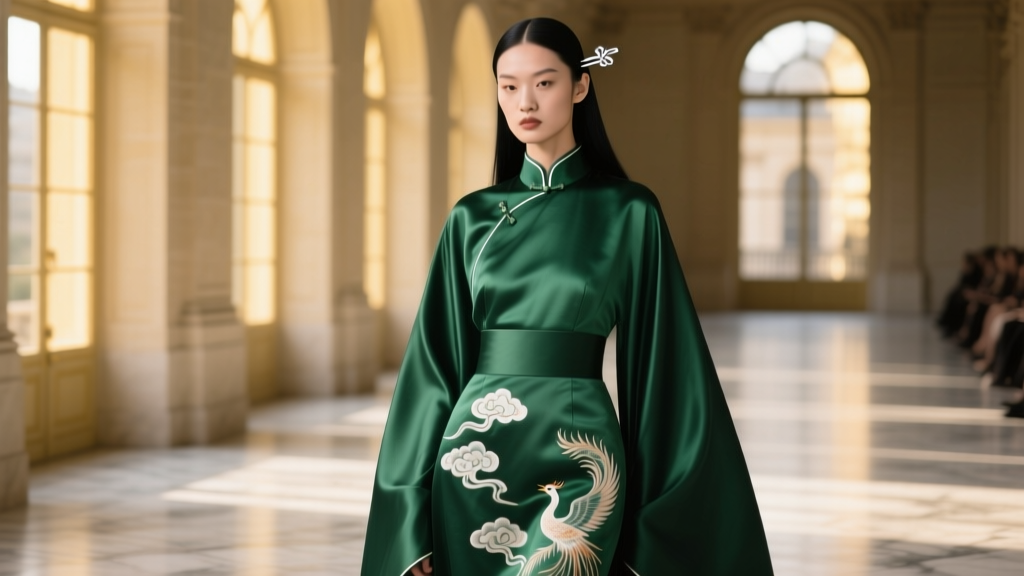
When discussing traditional Chinese clothing, the qipao (旗袍) is globally recognized as an elegant, form-fitting, one-piece dress. However, the contemporary search for a qipao skirt reveals a fascinating intersection of historical revival and modern sartorial innovation. In the context of the Xin Zhongshi (New Chinese Style) movement, the qipao skirt refers to separates that borrow the iconic design elements of the traditional cheongsam—such as the mandarin collar, pankou (knotted buttons), and kai cha (side slits)—and apply them to standalone skirts or two-piece sets. This guide explores the historical roots, structural varieties, and cultural protocols of the qipao skirt, offering a comprehensive comparison for collectors, historians, and modern wearers.
The Anatomy of the Qipao: Dress vs. Skirt Separates
To understand the qipao skirt, one must first address a common sartorial misconception. Historically, the qipao (or cheongsam in Cantonese) evolved from the loose-fitting, one-piece changpao (long robe) worn by Manchu women during the Qing Dynasty (1644–1911). By the 1920s and 1930s in Shanghai, it had been tailored into the sleek, one-piece silhouette we recognize today. Therefore, a traditional qipao is inherently a dress.
However, the concept of a 'qipao skirt' is rooted in the ao qun (jacket and skirt) tradition. Before the one-piece qipao dominated Shanghai fashion, educated women and feminists of the May Fourth Movement era often wore a short, tailored jacket (ao) paired with a long, pleated or A-line skirt (qun). Today, modern designers and artisans are reviving this two-piece aesthetic, creating skirts that feature the heavy brocades, side slits, and asymmetrical lapels characteristic of the Republic-era qipao, allowing for greater versatility in modern wardrobes.
Evolution of the Two-Piece: From Ao Qun to Xin Zhongshi
The transition from the historical ao qun to the modern qipao skirt is deeply tied to the Xin Zhongshi (New Chinese Style) movement. This contemporary fashion phenomenon seeks to integrate traditional Chinese garment construction into daily, practical wear. While a full-length silk qipao dress may feel restrictive or overly formal for a modern office environment, a qipao-inspired pencil or A-line skirt offers the same cultural resonance with greater mobility. According to archives highlighted by the Metropolitan Museum of Art, the adaptability of Chinese silhouettes has always been a hallmark of its fashion evolution, and the modern qipao skirt is the latest iteration of this fluid tradition.
Varieties of the Modern Qipao Skirt
The modern qipao skirt is not a monolith. Designers manipulate the foundational elements of the cheongsam to create various silhouettes. Below is a comparison of the most prominent varieties available in today's market.
| Silhouette | Key Design Features | Best Occasion | Average Price Range (USD) |
|---|---|---|---|
| Pencil with Kai Cha | Form-fitting, high side slits, asymmetric faux-wrap closure with pankou. | Evening events, galas, formal dinners. | $120 - $450 |
| A-Line Brocade | Flared cut, stiff Song brocade fabric, subtle side slits, hidden zipper. | Office wear, cultural festivals, daytime teas. | $80 - $250 |
| Pleated Qun FusionAccordion pleats, mandarin-collar-inspired waistband, lightweight silk. | Casual outings, summer travel, art exhibitions. | $60 - $180 | |
| Mamian (Horse-Face) Hybrid | Ming dynasty pleat structure combined with Republic-era qipao motifs and piping. | Weddings, Lunar New Year, Hanfu/Qipao crossover events. | $150 - $500+ |
The Pencil Silhouette with Kai Cha (Side Slits)
The most direct translation of the qipao into a skirt is the pencil silhouette featuring the iconic kai cha (side slits). In a traditional one-piece qipao, the slits allow for walking and reveal a subtle flash of the leg, a design element that was considered daringly modern in 1930s Shanghai. In a standalone pencil skirt, the kai cha is structurally necessary for mobility. Artisans often reinforce the apex of the slit with a subtle floral embroidery or a reinforced pankou knot to prevent the fabric from tearing under tension.
A-Line and Pleated Adaptations
For those seeking modesty and comfort, the A-line qipao skirt utilizes heavy Jacquard weaves or Song brocade. These skirts often forgo the high slit in favor of a gentle flare, retaining the qipao aesthetic through the use of the asymmetrical front flap (reminiscent of the daqian or large front panel of traditional robes) secured by decorative knotted buttons. The Victoria and Albert Museum notes that the structural integrity of Chinese brocades makes them ideal for skirts that require volume without the need for synthetic crinolines.
Mamian (Horse-Face) Qipao Fusions
A recent and highly celebrated innovation is the fusion of the Ming Dynasty Mamian qun (horse-face skirt) with qipao aesthetics. The Mamian skirt features flat front and back panels with deep, structured pleats on the sides. Modern designers are applying the characteristic contrast piping (xiang bian) and floral pankou of the 1930s qipao to the waistbands and flat panels of the Mamian skirt, creating a garment that honors two distinct golden eras of Chinese textile history.
Fabric Composition and Artisan Techniques
The value of an authentic qipao skirt lies heavily in its fabric and the artisanal techniques used to construct it. Mass-market skirts often rely on polyester blends and machine-stamped buttons, but true cultural garments utilize heritage textiles.
- Xiangyunsha (Cantonese Mud-Dyed Silk): One of the most prized fabrics for high-end qipao separates. As documented by the China National Silk Museum, this silk is dyed using the juice of the Dioscorea cirrhosa tuber and coated with iron-rich mud from the Pearl River Delta. The result is a dark, lustrous, water-resistant fabric with a distinct, subtle crackling sound when worn. A genuine Xiangyunsha qipao skirt typically starts at $400 USD and can exceed $1,500 USD for bespoke pieces.
- Hand-Knotted Pankou: The knotted buttons are the soul of the qipao. Authentic pankou are made by wrapping silk strips around a copper wire core, allowing them to be bent into intricate shapes like plum blossoms, swallows, or butterflies. A master artisan may spend up to four hours crafting a single, complex floral pankou set.
- Contrast Piping (Xiang Bian): The edging of the skirt's panels requires meticulous hand-stitching. Traditional tailors use a technique called gun bian (rolling the edge) to ensure the piping lies perfectly flat against the curve of the hip or the edge of the slit, a skill that takes years to master.
Sourcing and Price Guide: Where to Buy Authentic Pieces
When sourcing a qipao skirt, buyers must navigate between fast-fashion interpretations and genuine artisanal tailoring. Here is a framework for purchasing:
- Mass-Market / E-Commerce ($30 - $80 USD): Often made from synthetic crepe or poly-blend brocade. The pankou are usually glued or machine-sewn. While accessible, these lack the structural longevity and cultural authenticity of tailored pieces.
- Mid-Tier Boutiques & Independent Designers ($150 - $400 USD): Found on platforms specializing in Xin Zhongshi fashion or via independent designers in Shanghai and Hangzhou. These skirts feature genuine mulberry silk, real shell buttons, and hand-finished slits.
- Bespoke Tailors ($800 - $2,500+ USD): For an investment piece, visiting the legendary tailoring streets of Shanghai, such as Changle Road or Maoming South Road, is essential. Here, master tailors (shifu) will take over 20 distinct body measurements to draft a custom pattern, ensuring the skirt's kai cha falls at the exact correct angle for your specific gait and posture.
Cultural Protocols and Styling Frameworks
Wearing a qipao skirt requires an understanding of its cultural weight. Historically, the adoption of the qipao and its related separates by women in the 1920s was a profound feminist statement, symbolizing a rejection of restrictive patriarchal dress codes and an embrace of modern education and autonomy. Therefore, it is vital to avoid styling the garment in ways that lean into hyper-sexualized, exoticized 'costume' tropes.
Styling Recommendations:
- Tops: Pair a high-waisted qipao pencil skirt with a fine-gauge merino wool turtleneck, a structured silk blouse, or a tailored Mao-collar jacket. This balances the ornate nature of the skirt with modern minimalism.
- Footwear: Avoid theatrical platform shoes. Opt for elegant leather loafers, low-block heels, or traditional embroidered cloth shoes (bu xie) for a grounded, respectful silhouette.
- Accessories: Complement the skirt with subtle heritage jewelry, such as a white Hetian jade pendant or a simple gold hairpin. Avoid overly theatrical fans or paper parasols unless participating in a specific cultural performance or historical reenactment.
By understanding the deep textile history, the structural nuances of the kai cha, and the artisanal mastery behind the pankou, wearers can embrace the qipao skirt not merely as a fashion trend, but as a living, evolving piece of Asian cultural heritage.