The Qipao: A Historical and Cultural Guide to China's Iconic Dress
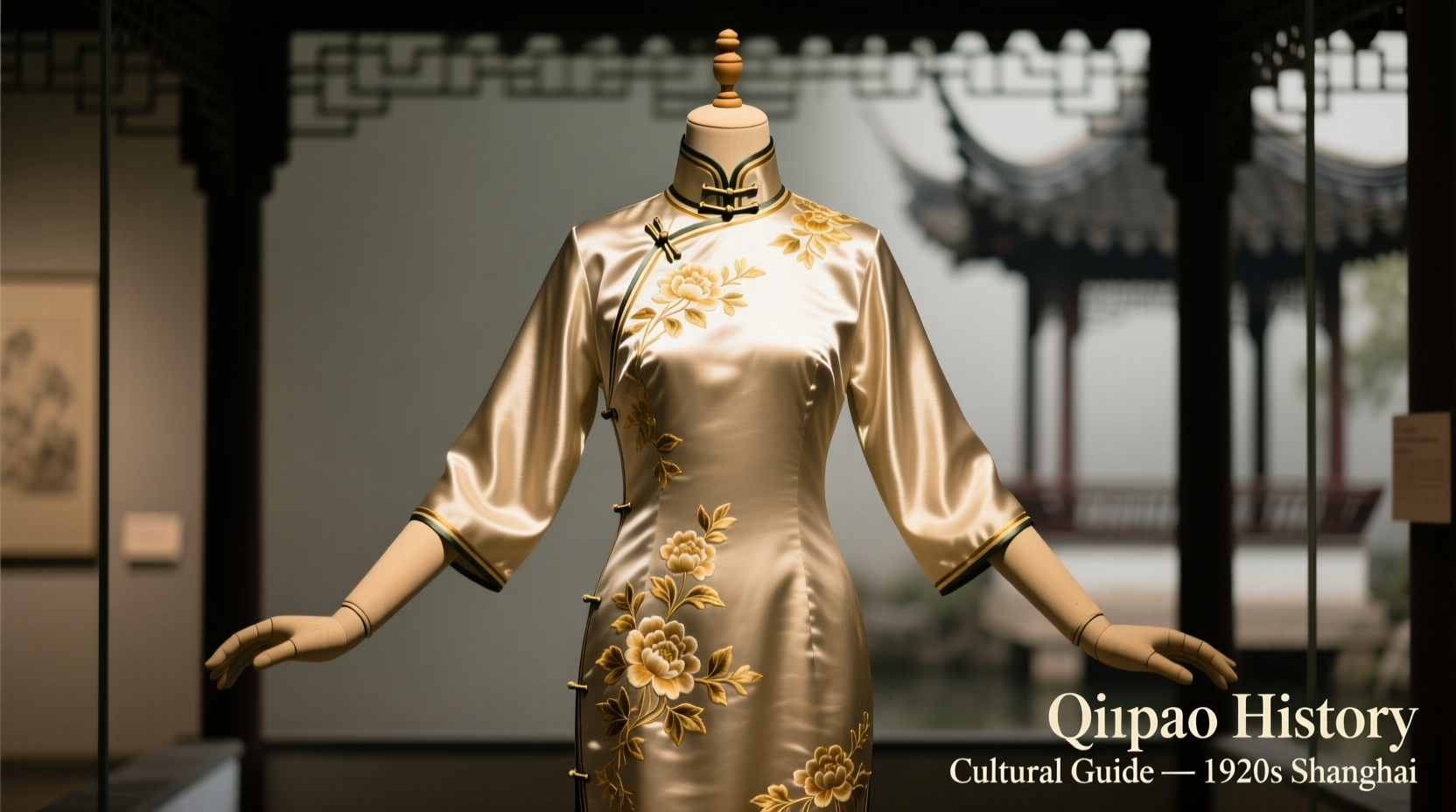
The qipao (旗袍), also widely recognized in the West by its Cantonese name, cheongsam, is far more than a sartorial stereotype or a static relic of the past. It is a living archive of China’s turbulent 20th-century history, reflecting shifting gender roles, cross-cultural exchanges, and the evolution of modern Chinese identity. As a cornerstone of Asian traditional garments, the qipao represents a masterful synthesis of indigenous Manchu tailoring and Western sartorial engineering.
This comprehensive guide explores the historical trajectory, structural anatomy, and cultural nuances of the qipao, offering deep insights for historians, textile collectors, and cultural enthusiasts alike.
Origins: From Manchu Equestrian Robes to Republican Rebellion
The roots of the qipao trace back to the Qing Dynasty (1644–1912). The Manchu rulers, who originated from the northeastern regions of Asia, wore a one-piece, loose-fitting garment known as the changpao (long robe). Designed for equestrian mobility and the harsh northern climate, the early changpao featured a straight, tubular silhouette, dropped shoulders, and high side slits to accommodate horseback riding.
During the early Republic of China era (post-1912), the garment underwent a radical ideological transformation. In the 1920s, amidst the intellectual fervor of the May Fourth Movement, female university students in Beijing and Shanghai adopted a simplified, unadorned version of the male changpao. By wearing a garment traditionally reserved for men and scholars, these young women made a profound visual statement demanding gender equality, educational access, and social liberation.
The Shanghai Era: Tailoring the Modern Silhouette
The 1930s and 1940s are universally recognized as the Golden Age of the qipao. Shanghai, then a booming cosmopolitan hub known as the 'Paris of the East,' became the epicenter of sartorial innovation. It was here that the garment transitioned from a flat, two-dimensional robe into a form-fitting, three-dimensional dress.
Haipai vs. Jingpai: A Tale of Two Cities
To truly understand qipao construction, one must distinguish between its two primary regional philosophies:
- Haipai (Shanghai Style): Characterized by Western tailoring techniques. Haipai tailors introduced bust and waist darts, set-in sleeves, and bias cutting. The result was a garment that celebrated the natural curves of the female body, utilizing lighter silks, geometric Art Deco prints, and daringly high side slits.
- Jingpai (Beijing Style): Rooted in traditional conservatism. Jingpai garments retained the flat, straight-line cutting of the Qing dynasty. They prioritized dignity, cultural heritage, and modesty, often utilizing heavier brocades, intricate embroidery, and a more relaxed, tubular fit that concealed the body's contours.
Anatomy and Construction of the Traditional Qipao
The creation of a bespoke qipao requires immense technical skill, relying on precise measurements and specialized hand-sewing techniques. The anatomy of the garment is defined by several non-negotiable structural elements:
- Qiling (Mandarin Collar): A stiffened, standing collar that frames the face and enforces an upright, elegant posture. Historically, the height of the collar fluctuated with fashion, reaching extreme heights of up to three inches in the late 1930s.
- Dajin (Overlapping Front Panel): The asymmetrical closure that sweeps from the center of the collar across the chest and down the side. This design is a direct descendant of traditional Hanfu and Manchu robe closures.
- Pankou (Frog Fasteners): Hand-knotted silk thread buttons that secure the dajin. Master artisans spend hours crafting complex floral or geometric pankou knots, which serve as both functional closures and intricate jewelry-like embellishments.
- Kaicha (Side Slits): Originally engineered for equestrian mobility, the side slits in the modern qipao provide essential freedom of movement for the narrow skirt. In contemporary tailoring, the height of the slit is carefully calibrated to balance mobility with modesty.
- Hand-Rolled Hems: In haute couture qipao tailoring, the edges are finished using a painstaking hand-rolling technique, creating a nearly invisible, fluid edge that machine stitching cannot replicate.
Textiles, Motifs, and Artisan Techniques
The choice of fabric in a qipao is deeply tied to regional climate, social status, and symbolic intent. While modern interpretations frequently use lace, velvet, or synthetic blends, traditionalists rely on heritage textiles.
| Textile Name | Region of Origin | Characteristics and Cultural Significance |
|---|---|---|
| Xiangyunsha (Mud Silk) | Guangdong | Dyed with the juice of the Dioscorea cirrhosa plant and coated in iron-rich river mud. It is water-resistant, rustles softly when worn, and is highly prized for its ecological, artisanal production. |
| Song Brocade (Song Jin) | Suzhou | A heavy, intricately woven silk featuring complex geometric and floral patterns. Traditionally reserved for formal winter qipao and ceremonial wear. |
| Xiang Embroidery | Hunan | One of China's four major embroidery styles, known for its realistic shading and double-sided stitching, often depicting tigers, koi, or peonies on silk crepe. |
| Hangluo (Hangzhou Luo) | Hangzhou | A lightweight, open-weave silk gauze ideal for summer qipao, offering breathability while maintaining structural stiffness. |
Motifs embroidered onto these fabrics are never purely decorative; they are deeply symbolic. The peony represents wealth and honor, the plum blossom signifies resilience in the face of adversity, and the crane denotes longevity and high social standing.
Modern Sourcing, Pricing, and Etiquette
Acquiring an authentic qipao today requires navigating a market saturated with mass-produced costumes versus genuine artisanal garments. Understanding the pricing tiers is essential for collectors and buyers seeking cultural authenticity.
- Mass-Market / Off-the-Rack ($40 – $150 USD): Typically made from polyester blends or low-grade silk. These garments lack traditional tailoring (darts and pankou are often machine-stitched or faux) and are suitable for casual wear or themed events, but hold little cultural or archival value.
- Mid-Tier Custom ($300 – $800 USD): Offered by reputable boutiques in cities like Shanghai, Hong Kong, and Taipei. These include genuine silk fabrics, proper Western darting combined with traditional closures, and custom fitting. Brands like Shanghai Tang (in their mid-tier lines) or established local tailors operate in this space.
- Haute Couture / Master Artisan ($1,500 – $5,000+ USD): The pinnacle of qipao craftsmanship. These garments are cut by master tailors who may have trained for decades. They feature heritage textiles like authentic Xiangyunsha, entirely hand-knotted pankou, hand-rolled hems, and bespoke embroidery. These are investment pieces and wearable art.
Cultural Etiquette and Wearing Protocols
When wearing a qipao, particularly in formal or cross-cultural settings, understanding etiquette is paramount. The qipao is inherently formal; wearing it requires attention to undergarments (seamless lines are essential due to the bias cut), posture, and footwear. Historically, the qipao was paired with high heels or traditional embroidered silk shoes. Today, it is considered a garment of respect, frequently worn by diplomats, brides (often in red, symbolizing luck and prosperity), and cultural ambassadors.
“The qipao is not merely a dress; it is the architectural manifestation of the modern Chinese woman’s dual identity—rooted in the deep traditions of the East, yet actively participating in the global modernity of the West.”
— Dr. Valerie Steele, Fashion Historian and Director of The Museum at FIT
Archival References and Cultural Institutions
For those seeking to study original 1930s and 1940s qipao garments, textile construction, and historical photography, the following cultural institutions maintain world-class archives:
- The Metropolitan Museum of Art (Costume Institute) – Houses an extensive collection of mid-century cheongsam, showcasing the transition of Shanghai tailoring.
- Victoria and Albert Museum (Asia Collections) – Features meticulously preserved examples of Qing dynasty changpao and Republican-era qipao, highlighting textile conservation.
- Shanghai History Museum – Provides unparalleled context on the Haipai movement, featuring original tailoring tools, pattern drafts, and garments from Shanghai’s golden age.
By understanding the profound history, intricate construction, and regional variations of the qipao, we move beyond superficial fashion tropes and honor the garment as a vital, evolving pillar of Asian cultural heritage.