Indonesian Ikat: Sumba and Flores Traditions

Understanding Indonesian Ikat
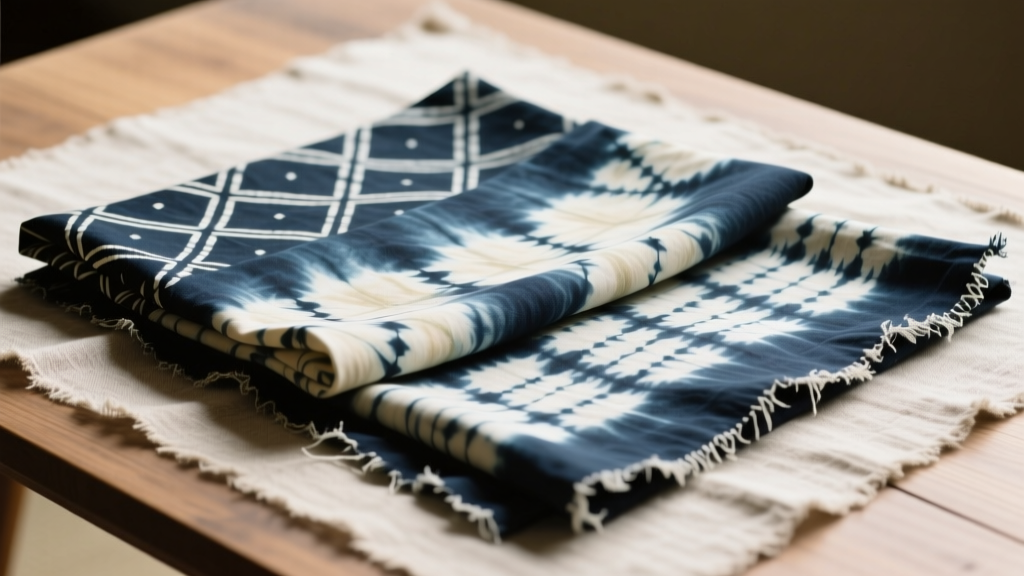
Ikat is a dyeing technique where threads are tie-dyed before weaving to create patterns. Indonesia produces some of the world's finest ikat textiles, with the islands of Sumba and Flores in eastern Indonesia creating particularly remarkable examples.
Sumbanese Hinggi
The hinggi is a large ikat textile made by Sumbanese men for ceremonial use. These bold cloths feature animals (horses, roosters, deer, dragons), human figures, and ancestral symbols in deep indigo and rust-red colors. Each panel tells stories of clan history and spiritual beliefs.
Flores Ikat Traditions
Flores produces diverse ikat styles across its length. The Lio people create intricate warp ikat with geometric patterns. Sikka ikat features distinctive diamond and zigzag motifs. Ngadha textiles use a unique combination of warp ikat and supplementary weft techniques.
The Dyeing Process
- Indigo: From the indigofera plant, requiring weeks of fermentation for deep blue
- Morinda red: From the roots of the morinda tree, requiring oil mordant treatment
- Yellow: From turmeric and other local plants
Cultural Functions
Ikat textiles serve as bridewealth (marriage exchange), funeral shrouds, ceremonial gifts, and status markers. The most sacred designs may only be woven by women of specific clans, and certain patterns are forbidden to commoners.