New Hanfu Styles in 2026: Regional Variations & Substyles
The Evolution of the Hanfu Yundong: Beyond Historical Replicas
The global resurgence of traditional Chinese clothing, known as the Hanfu Yundong (Hanfu movement), has transitioned significantly over the past decade. What began in the early 2000s as a niche pursuit of strict historical accuracy has blossomed into a dynamic, living fashion ecosystem. As we navigate 2026, the market for new hanfu styles is no longer defined by monolithic, generic reproductions. Instead, it is driven by a deep appreciation for regional variations, localized textile heritage, and era-specific substyles that cater to contemporary aesthetics while honoring ancient tailoring philosophies.
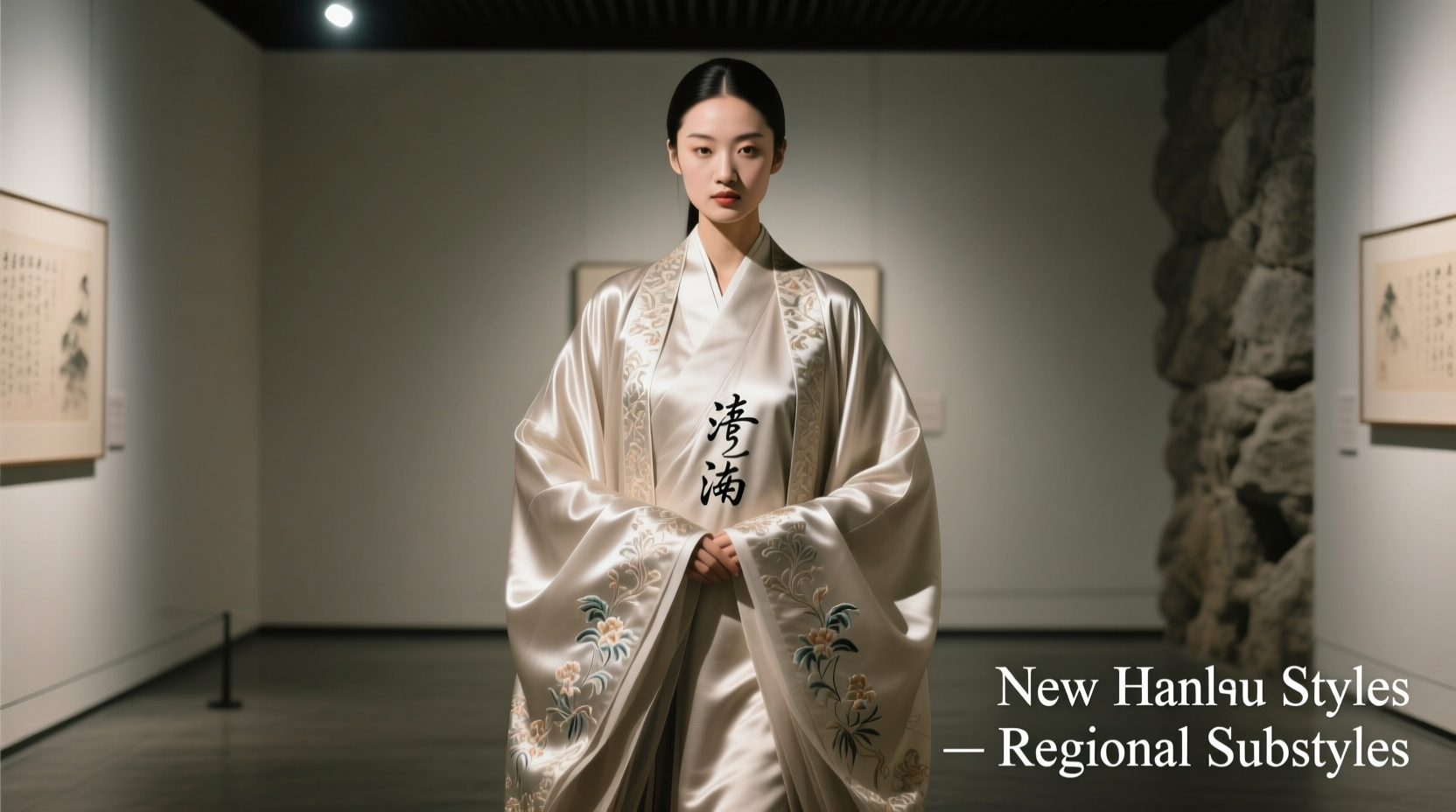
Today’s designers and artisan cooperatives are moving away from mass-produced, synthetic costumes. They are returning to the roots of Chinese sartorial geography, drawing inspiration from the distinct cultural hubs of Chengdu, Hangzhou, and Xi’an. Understanding these regional variations is essential for collectors, cultural enthusiasts, and anyone looking to integrate traditional Asian garments into a modern wardrobe with authenticity and respect.
The Geography of Modern Hanfu: Three Regional Hubs
The production and stylistic direction of new hanfu styles are heavily influenced by China’s historical textile centers. Each region champions a different dynastic aesthetic and weaving tradition, resulting in distinct substyles that dominate the current market.
Chengdu: Shu Brocade and the Wei-Jin Ethos
Chengdu, the capital of Sichuan province, is historically renowned for Shujin (Shu brocade), one of China’s most prestigious weaving traditions dating back over two millennia. In the contemporary hanfu market, Chengdu-based designers frequently draw upon the Wei-Jin and Northern & Southern Dynasties (220–589 CE) for inspiration. This substyle is characterized by an ethereal, unstructured silhouette, wide flowing sleeves, and a philosophical emphasis on natural harmony. Garments from this region often feature intricate, multi-colored brocade motifs of bamboo, clouds, and mythical beasts, appealing to those who favor a romantic, scholarly aesthetic.
Hangzhou: Song Dynasty Minimalism and Refined Elegance
Hangzhou’s identity is inextricably linked to the Song Dynasty (960–1279 CE), an era celebrated for its intellectual refinement and understated elegance. New hanfu styles emerging from the Hangzhou region prioritize slender silhouettes, muted color palettes, and exceptional fabric drape. The quintessential garment here is the Beizi, a long, parallel-collar overcoat worn open over a blouse and skirt. According to the China National Silk Museum, Song-era textiles favored subtle, tone-on-tone damask weaves and delicate pearl or floral motifs over ostentatious gold threading. Hangzhou artisans today utilize high-grade mulberry silk and innovative crepe weaves to replicate this sophisticated minimalism.
Xi’an: Tang Dynasty Opulence and the Silk Road Influence
As the ancient starting point of the Silk Road and the capital of the Tang Dynasty (618–907 CE), Xi’an champions a substyle defined by bold opulence, vibrant color-blocking, and cosmopolitan influences. The Qixiong ruqun (chest-high skirt) and the Yuanlingpao (round-collar robe) are staples of the Xi’an aesthetic. Designers in this region frequently incorporate Central Asian motifs, heavy gold-thread embroidery, and rich jewel tones like vermilion, lapis lazuli, and malachite green. This regional style is highly favored for festive occasions, cultural festivals, and formal photography due to its striking visual impact.
Deconstructing the Substyles: A Comparative Guide
To navigate the diverse landscape of new hanfu styles, it is crucial to understand the structural differences between the primary dynastic substyles. The following table outlines the key garments, tailoring features, and current market pricing for authentic pieces.
| Dynastic Substyle | Key Garment | Defining Tailoring Feature | Regional Hub | Authentic Price Range (USD) |
|---|---|---|---|---|
| Song (Minimalist) | Beizi & Baizhequn | Parallel collar, slender A-line pleating | Hangzhou | $85 - $250 |
| Ming (Structured) | Mamianqun & Aoqun | Horse-face pleats, stiff woven collars | Nanjing / Suzhou | $120 - $450 |
| Tang (Opulent) | Qixiong Ruqun | Chest-high tie, wide draped sleeves | Xi'an / Luoyang | $95 - $300 |
| Wei-Jin (Ethereal) | Jiaoling Pao | Cross-collar, massive sleeve circumference | Chengdu | $110 - $380 |
Note: Prices reflect mid-tier to high-tier authentic silk and brocade pieces from established artisan workshops. Entry-level polyester blends can be found for $25–$60, but lack the cultural and structural integrity of traditional textiles.
The Architecture of the Garment: Pingmian Caijian
A defining characteristic that separates authentic hanfu from modern Western-influenced interpretations is the construction method known as pingmian caijian (2D flat cutting). Unlike Western tailoring, which relies on darts, curved seams, and 3D draping to contour the body, traditional Chinese garment construction utilizes straight lines and rectangular fabric panels.
This philosophy respects the integrity of the woven cloth, minimizing waste and allowing the fabric to drape naturally over the wearer’s form. The most critical protocol in this construction is the jiaoling youren (cross collar, right lapel). The left side of the garment must always cross over the right. Reversing this (right over left) is a strict cultural taboo, historically reserved exclusively for dressing the deceased. When evaluating new hanfu styles, verifying that a brand adheres to flat-cutting principles and correct lapel orientation is a primary marker of quality and cultural respect.
Fabric Innovations and Artisan Cooperatives
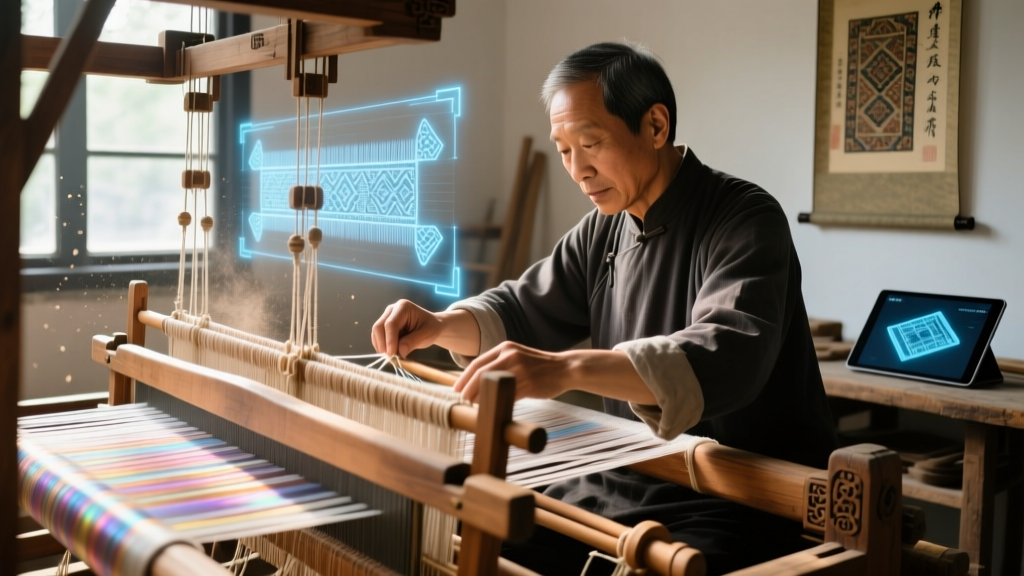
The most significant development in the 2026 hanfu market is the revival of heritage fabrics through regional artisan cooperatives. Two materials currently dominate the premium sector:
- Xiangyunsha (Gambiered Guangdong Gauze): Originating from the Lingnan region, this silk is dyed using the juice of the薯莨 (Dioscorea cirrhosa) yam and coated with iron-rich river mud, then sun-dried. The result is a rustling, water-resistant, and highly breathable fabric with a distinctive dual-tone finish (black on one side, earthy brown on the other). Authentic Xiangyunsha mamianquns command premium prices, often exceeding $600 USD due to the labor-intensive, weather-dependent production process.
- Kesi (Cut Silk) Tapestry: Highly prized for Ming dynasty collars and cuffs, Kesi weaving involves discontinuous wefts that create intricate, unbroken patterns. As documented by the Victoria and Albert Museum in their extensive Asian textile archives, this technique requires immense skill, with artisans producing only a few centimeters of fabric per day. Modern cooperatives in Suzhou are now integrating Kesi accents into contemporary hanfu jackets, bridging museum-quality heritage with wearable art.
Styling Protocols for Regional Substyles
Integrating new hanfu styles into a modern wardrobe requires an understanding of styling protocols that maintain the garment's dignity. For the structured Ming-style Mamianqun (horse-face skirt), the heavy, stiffened pleats demand a tailored top, such as a standing-collar Shangyi (jacket) with metal button fasteners. Footwear should lean toward structured leather or embroidered cloth boots to balance the skirt's volume.
Conversely, the Song-style Beizi pairs beautifully with delicate, low-heeled silk slippers and minimalist pearl or jade hairpins. The hair is typically styled in a relaxed, low bun, reflecting the era's intellectual modesty. For Tang-inspired garments, styling embraces volume; hair is swept into elaborate top-knots adorned with gold buyao (dangling hairpins), and makeup often includes the traditional huadian (forehead floral appliqué). The Asian Art Museum of San Francisco frequently highlights these Tang-era accessories in their exhibitions, noting the profound influence of Silk Road trade on Chinese jewelry design.
Conclusion: A Living, Breathing Tradition
The landscape of new hanfu styles in 2026 is a testament to the resilience and adaptability of Chinese sartorial heritage. By embracing regional variations—from the ethereal brocades of Chengdu to the minimalist silks of Hangzhou and the bold opulence of Xi'an—wearers are participating in a living tradition. Investing in garments that honor pingmian caijian construction, support regional artisan cooperatives, and adhere to cultural protocols ensures that the Hanfu movement remains a profound expression of cultural identity rather than a fleeting fashion trend.