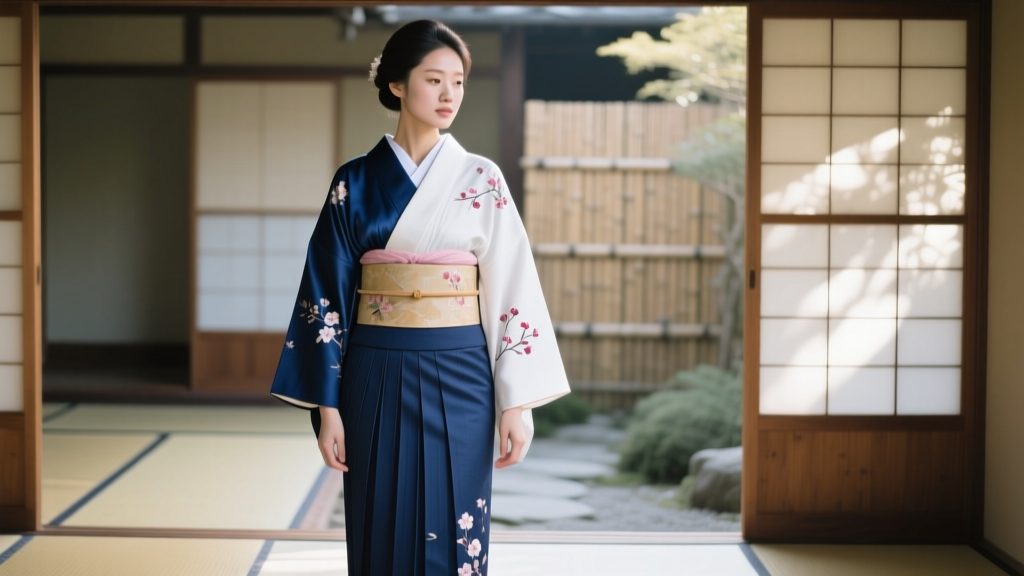
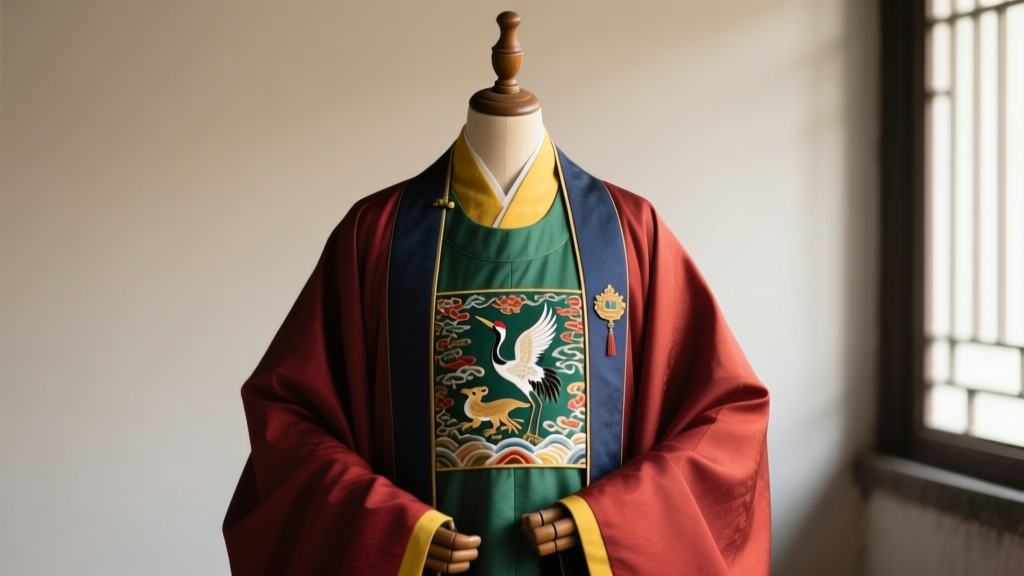
Mongolian Deel: The Steppe Riding Garment

Understanding Mongolian Deel
The Mongolian deel is designed for horseback life. Learn about its overlapping front panel, sash system, and seasonal versions. This article examines the historical roots, material techniques, and contemporary relevance of this textile tradition.
Historical Origins
The tradition behind this craft developed over centuries of practice, passed through generations of artisans who refined techniques using locally available materials. Each region developed distinctive approaches shaped by climate, trade routes, and cultural values.
Early examples were often created for ceremonial purposes — weddings, funerals, royal courts, or seasonal festivals. The finest pieces were reserved for community leaders and sacred occasions.
Materials and Techniques
Traditional practitioners selected materials based on availability and symbolic meaning. Natural fibers such as cotton, silk, wool, and bark cloth formed the foundation.
- Raw material preparation: cleaning, spinning, and pre-mordanting fibers
- Construction technique: weaving, embroidery, applique, or resist-dyeing
- Finishing: washing, beating, oiling, or pressing to achieve desired texture
Modern Practice and Revival
Many of these traditions experienced decline during the 20th century as industrial textiles became widely available. Recent decades have seen significant revival efforts driven by cultural organizations and market demand for authentic handmade goods.
Conclusion
This textile tradition represents far more than clothing or decoration. It embodies centuries of cultural knowledge, technical skill, and community identity.
Published in Asian Traditions on The Garment Atlas.